




Hawaii’s Climate Change Tourist Tax: A Controversial Step Forward
In a groundbreaking move that sent ripples through the tourism industry, Hawaii introduced the nation’s first climate change tourist tax in 2026. This bold initiative, designed to help the island state cope with escalating environmental challenges, faced immediate legal hurdles when a federal appeals court temporarily blocked the portion of the tax affecting cruise ship passengers on New Year’s Eve. The ruling came just as the new levies were set to take effect, creating a complex situation that highlights the tension between environmental protection and economic interests in one of America’s most popular vacation destinations.
Governor Josh Green, who signed the legislation in May, has been a vocal advocate for making tourists contribute to preserving the paradise they come to enjoy. His reasoning is straightforward: with 10 million visitors annually descending upon a state with just 1.4 million residents, travelers should share the responsibility of protecting Hawaii’s fragile ecosystems. The new tax framework was projected to generate nearly $100 million (€85 million) each year, funds desperately needed for climate resilience projects like replenishing eroding beaches in Waikiki, securing roofs against increasingly powerful storms, and clearing invasive grasses that fueled devastating wildfires like the one that ravaged Lahaina. Green’s vision resonates with many Hawaiians who have watched their homeland struggle with the intensifying effects of climate change while tourism continues to boom.
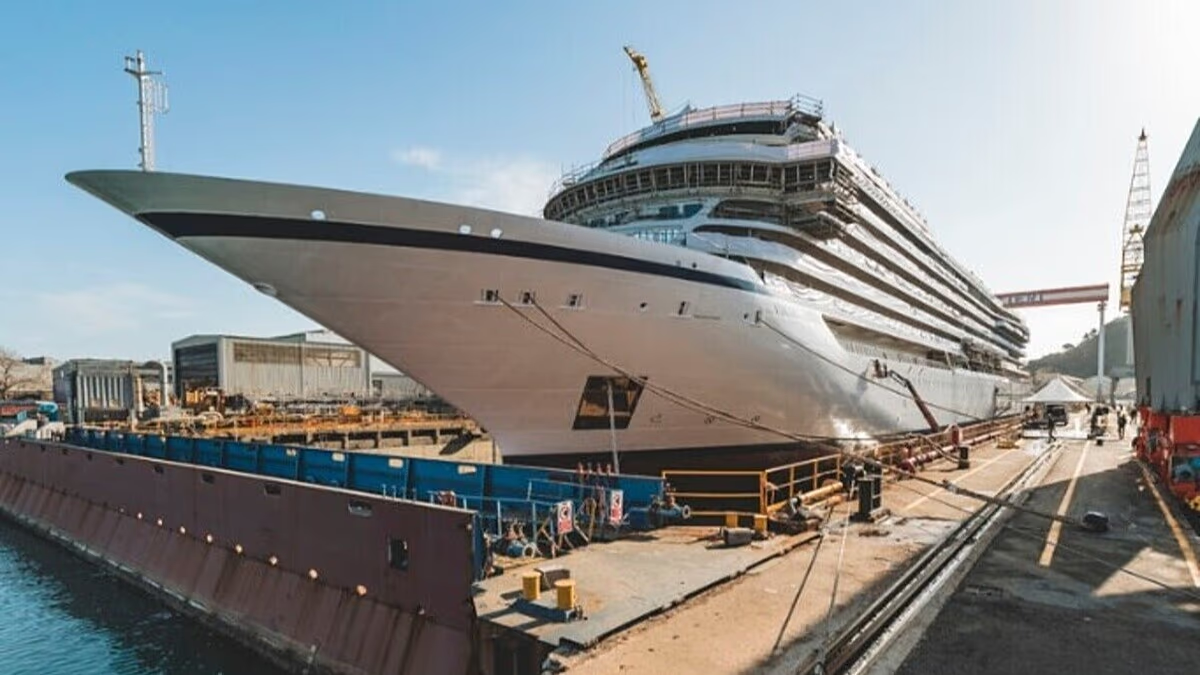
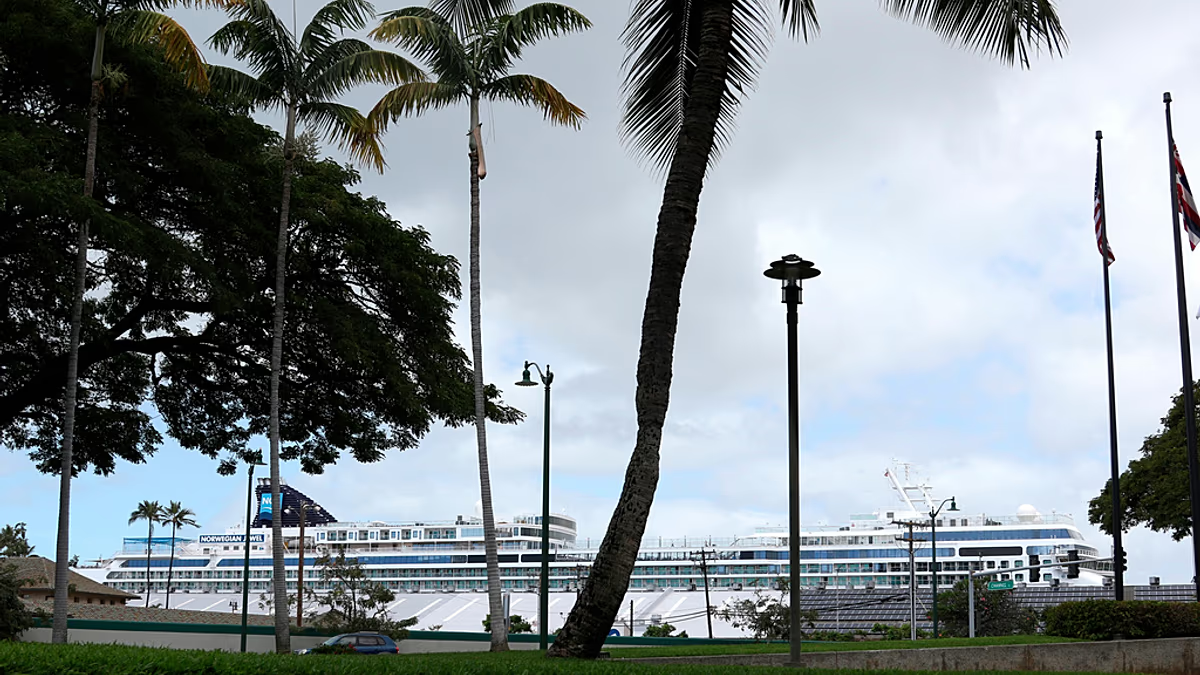
The cruise ship component of the tax—an 11 percent levy on gross fares paid by passengers, prorated for days spent in Hawaiian ports—quickly became the most contentious element of the new policy. Cruise Lines International Association challenged the fee in court, arguing that it violates the U.S. Constitution by essentially taxing ships for entering Hawaiian ports. The industry’s concern extends beyond legal principles to practical economics: with counties authorized to collect an additional 3 percent surcharge, the total tax could reach 14 percent of prorated fares, potentially making Hawaiian cruises significantly more expensive for travelers. This price increase, they argue, could dampen tourism at a time when the industry is still recovering from pandemic-era disruptions, potentially hurting not just cruise companies but the broader Hawaiian economy that depends on visitor spending.
The legal battle intensified when U.S. District Judge Jill A. Otake initially upheld the law, prompting both the cruise industry plaintiffs and, notably, the U.S. government to appeal to the 9th U.S. Circuit Court of Appeals. The involvement of federal authorities underscores the national significance of this case, which touches on questions of interstate commerce, maritime law, and state taxation powers. While the two 9th Circuit judges granted an injunction that temporarily prevents enforcement of the cruise ship tax pending appeal, other components of Hawaii’s climate initiative—including increased rates on hotel rooms and vacation rentals—have proceeded as planned. The Hawaii attorney general’s office maintains confidence that the law “will be vindicated when the appeal is heard on the merits,” signaling a protracted legal fight ahead that could establish important precedents for how states can fund climate resilience.
At the heart of this controversy lies a fundamental question about responsibility for climate adaptation in tourist-dependent regions. Hawaii faces unique vulnerabilities: rising sea levels threaten its beaches and coastal infrastructure; warming oceans damage its coral reefs; stronger hurricanes test its building codes; and drier conditions increase wildfire risks across formerly lush landscapes. These challenges require substantial investment in adaptation and mitigation strategies, creating financial burdens that fall heavily on local residents if not shared more broadly. Governor Green’s approach reflects a growing sentiment among officials in tourist destinations worldwide that visitors should contribute directly to preserving the places they enjoy—that the cost of maintaining paradise should be built into the price of experiencing it. Many travelers might indeed be willing to pay a premium, as Green suggests, to ensure that Hawaii’s beaches remain “perfect” and that iconic locations stay accessible and beautiful for generations to come.
The outcome of this legal challenge will resonate far beyond Hawaii’s shores, potentially influencing how other tourism-dependent regions approach climate funding. If upheld, the tax could serve as a model for coastal communities across America and internationally as they grapple with similar environmental pressures. If struck down, states may need to explore alternative frameworks for visitor contributions to climate resilience. Either way, the case highlights an evolving relationship between tourism and environmental stewardship in an era of climate change—a relationship that increasingly recognizes that preserving natural beauty isn’t just an ecological imperative but an economic one for destinations whose appeal depends on their environment. As this legal drama unfolds in the courts, Hawaii continues its daily struggle against rising tides and changing weather patterns, reminding us that while legal questions can be temporarily shelved, the climate challenges that prompted this innovative tax solution grow more urgent by the day.