





From Flight Attendant to Fraudster: The Man Who Fooled America’s Airlines
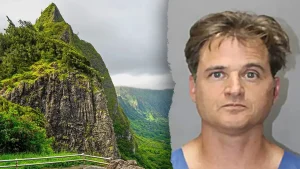
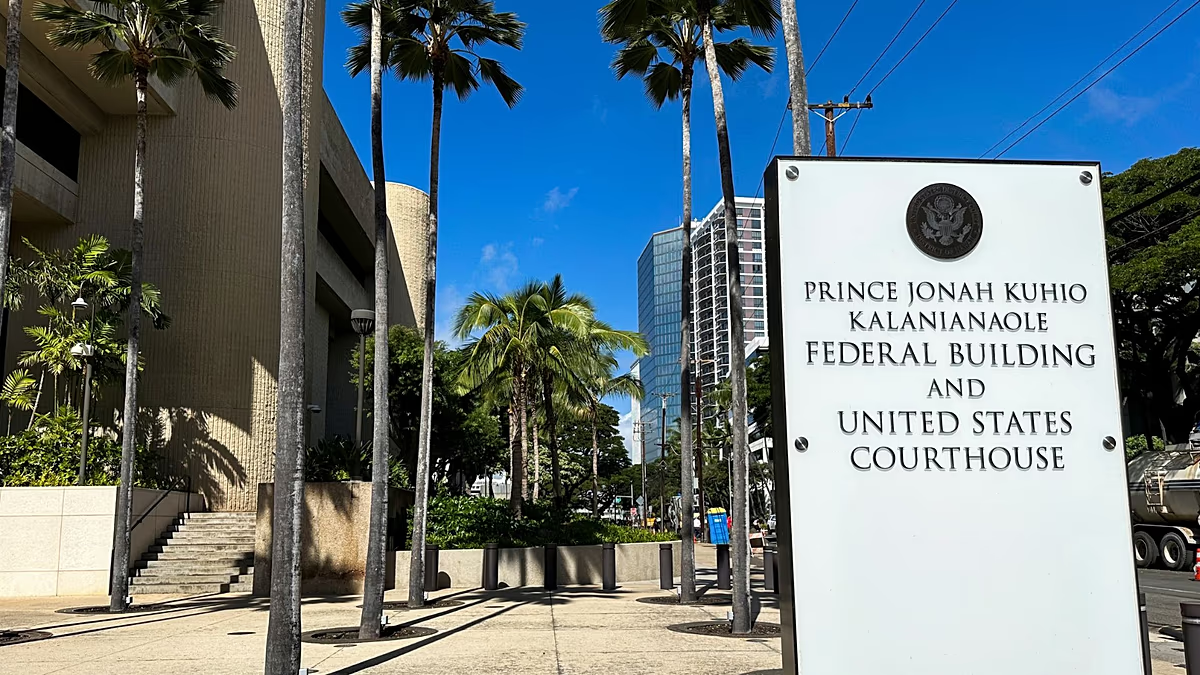
In a remarkable case that has left airline industry experts baffled, 33-year-old Toronto native Dallas Pokornik has been accused of orchestrating an elaborate scheme that allowed him to obtain hundreds of free flights over four years by posing as an airline employee. The former flight attendant was recently extradited from Panama to the United States, where he faces wire fraud charges in Hawaii. Despite pleading not guilty on January 20, 2026, Pokornik’s alleged fraud has exposed potential vulnerabilities in airline verification systems that are supposed to prioritize flight safety and security. Court documents reveal that after legitimately working as a flight attendant for a Toronto-based airline from 2017 to 2019, Pokornik allegedly used fraudulent employee identification from that carrier to secure free tickets from three major U.S. airlines based in Honolulu, Chicago, and Fort Worth—presumably Hawaiian Airlines, United Airlines, and American Airlines, though none have officially confirmed their involvement.
What has particularly stunned industry insiders is how Pokornik allegedly managed to bypass multiple security protocols designed specifically to prevent such imposters. The airline industry operates on a courtesy system that allows crew members to travel on other carriers for free or at heavily discounted rates when seats are available—a practice that helps ensure staff can get where they need to be. However, these systems include verification databases and identity checks. John Cox, a retired pilot who now runs an aviation safety consulting firm, speculates that the fraud may have succeeded because Pokornik’s former employer failed to properly update their records to show he was no longer employed. This oversight potentially allowed him to continue appearing as a valid employee when the receiving airlines performed their standard verification checks. The case becomes even more concerning when considering that prosecutors claim Pokornik specifically requested to sit in the cockpit jump seats—positions typically reserved for off-duty pilots or other authorized personnel with legitimate reasons to be there.
The airline industry had supposedly strengthened its verification systems following two watershed moments: the notorious case of Frank Abagnale (whose story inspired “Catch Me If You Can”) and the September 11, 2001 terrorist attacks. Both events led to significant tightening of security protocols regarding who can board aircraft and access cockpits. For legitimate crew travel, the process is typically rigorous. Crew members traveling for work use a “known crew member” card linked to a database containing their photo, alongside their employee badge and government-issued ID. For leisure travel, airline employees can purchase discounted standby tickets or request jump seats, which allow them to fly for free with the captain’s approval. Federal regulations specify exactly who is permitted in cockpit jump seats—licensed pilots, defense department evaluators, air traffic controllers, crew members, or manufacturer representatives—all with official justifications for their presence.
The timing of this case is particularly sensitive given recent security concerns in the airline industry. In 2023, an off-duty pilot riding in a Horizon Air cockpit attempted to cut the engines mid-flight after saying “I’m not OK,” later attributing his actions to depression. This incident heightened scrutiny of who gets access to these sensitive areas of aircraft. Prosecutors have not clarified whether Pokornik actually managed to ride in any cockpits during his alleged fraud, and the U.S. Attorney’s Office in Honolulu has declined to provide further details. What remains unclear is exactly how Pokornik allegedly executed his scheme across multiple major airlines without being detected sooner, especially given the cross-referencing capabilities and safety focus of the industry. The case raises serious questions about potential gaps in the verification processes that airlines use to authenticate the identities and employment status of those claiming crew privileges.
Porter Airlines, a Toronto-based carrier, stated it was “unable to verify any information related to this story,” while Air Canada claimed no record of Pokornik’s employment there. This ambiguity about his legitimate employment history further complicates the picture. Bruce Rodger, an airline pilot and aviation consultant, explains that crew members aren’t permitted to use the “known crew member” process for leisure travel, suggesting that Pokornik may have found a way to manipulate the system by blurring the lines between work and personal travel. The fraudulent access allegedly continued for four years before authorities finally caught up with Pokornik in Panama, indicating potential systemic weaknesses in how airlines communicate with each other about former employees and verify credentials across carriers. The case highlights the delicate balance between the airline industry’s culture of professional courtesy and the need for strict security measures.
The revelation of this alleged fraud comes at a time of increased scrutiny on airline security protocols and mental health screening for aviation professionals. While the industry has implemented numerous safeguards since 2001, Pokornik’s case suggests there may still be vulnerabilities that determined individuals can exploit. As the legal proceedings continue, airlines will likely be reviewing their verification procedures and information-sharing practices to prevent similar incidents in the future. What makes this case particularly notable is not just the alleged fraud itself, but how it managed to continue across multiple major carriers for years despite supposedly robust security measures. Regardless of the outcome of Pokornik’s trial, his case serves as a wake-up call for an industry where security and safety are paramount concerns, reminding stakeholders that systems are only as strong as their weakest links and that human ingenuity can sometimes find ways around even the most carefully designed safeguards.