





The Promise and Pitfalls of Modernizing EU Borders
Imagine strolling through the vibrant streets of Barcelona one sunny afternoon, your backpack slung over one shoulder, savoring a fresh paella while watching families laugh and children chase pigeons. You’re an American tourist on a dream trip through Europe, hopping from Paris to Amsterdam, then maybe down to Rome. For decades, entering the Schengen Area has been as seamless as crossing from one state to another in the US—grab your passport, flash it at the border, and you’re in. But behind the scenes, the European Union has been grappling with an outdated system that lets some folks slip through the cracks, straining resources and sparking security concerns. Enter the Entry/Exit System (EES), a digital overhaul that’s set to change the game. Starting April 10, this new framework will fully roll out, capturing biometric data like fingerprints and facial images from every non-EU visitor entering or leaving Schengen countries. It’s designed to tighten controls while making things flow smoother for honest travelers like you. But as with any big tech rollout—from the chaos of early smartphone updates to the glitches in new airport scanners—there are bound to be some bumps. Let’s dive into what this means for everyday folks and the EU’s ambitious vision of border modernization.
To understand the EES, picture it as a smart, centralized database that tracks when you cross borders. Unlike the current patchwork of national systems, where data is often scattered and inconsistent, the EES will create a unified record for each traveler. For instance, as a tourist, when you fly into Paris from New York, border agents will snap your photo and fingerprint you on entry. That data gets stored securely in a cloud-based EU-wide system. On your way back home or to another Schengen spot, they’ll verify it before letting you depart. The goal? To spot overstays, strengthen security against crime and terrorism, and prevent the kind of “visa shopping” where people enter on short tourist visas and vanish into the shadows. This isn’t just bureaucracy; it’s about rebuilding trust in a post-pandemic, post-Brexit world where migration pressures are mounting. Advocates say it could slash administrative burdens on border guards, freeing them up for more nuanced checks like detecting forged documents. Plus, with artificial intelligence sniffing out patterns in travel data, it might cut down on fraud. For frequent flyers, it promises quicker queues, especially if it integrates with apps that let you pre-fill info via your phone. Yet, it’s not without its critics—privacy advocates worry about the vast pool of personal data, wondering how it might be misused, like in cases of political crackdowns on dissenters. Still, for millions of EU citizens and legitimate visitors, this modernization could feel like a fresh breath of air in a stuffy airport lounge.
Fast-forward to April 10, and that’s the big switch: full implementation across all Schengen nations, from France to Greece. It’s been a long road to this date. The EU first proposed the EES in 2016, inspired by similar systems in the US and Australia that have tightened their own borders. After years of debates, pilot programs, and legal hurdles (including challenges from privacy watchdogs), the system is finally live. What does it mean for you as a traveler? If you’re heading to Europe soon, expect longer lines at first as border staff calibrate to the new tech. Airlines and cruise lines are bracing too—they’ll need to transmit passenger data ahead of time to airports. For EU residents, it might not change much day-to-day, but for non-Schengen visitors, it’s a shift toward more scrutiny. Imagine a family road-tripping from Germany to Italy; under EES, their entry into Schengen might include a digital handshake with the system, ensuring seamless travel within the zone but tighter exits. The rollout isn’t uniform—some countries like Estonia have been testing it via their e-residency programs, while others are still fumbling with hardware. Yet, the EU hopes this unified approach will standardize experiences, reducing the luck-of-the-draw element where one border feels welcoming and another intimidating. In human terms, it’s about balancing freedom of movement with accountability, so that a weary hiker from Chile isn’t unfairly delayed while a suspicious character gets waved through.
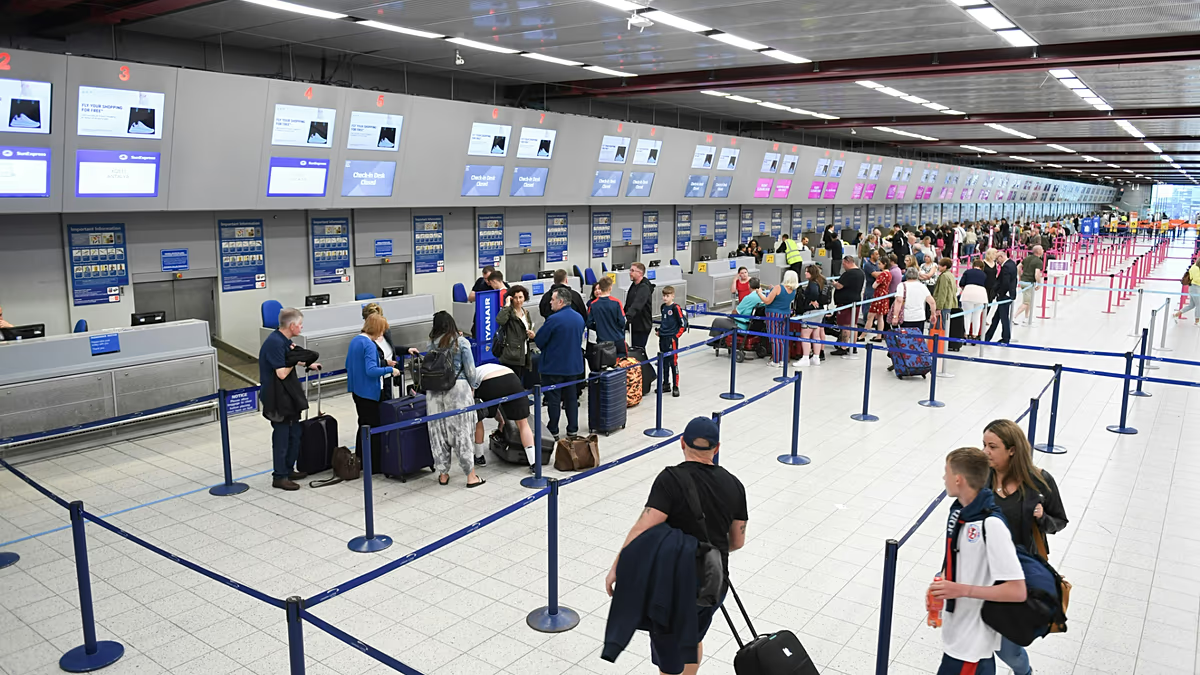
Of course, no tech revolution comes without its hiccups, and the EES is no exception. Picture this: April 10, Day One. Border crossings scramble as scanners malfunction or data uploads slow. We’ve seen this before—remember the fiasco of the UK’s attempt at new passport gates, which left travelers stranded for hours? Similarly, the EES’s biometric capture process might hit snags with elderly travelers whose fingerprints are worn or children who wiggle during photo shoots. Cybersecurity experts are buzzing with concerns; what if hackers breach the system, exposing millions of faces and prints? And there’s the human element—border agents, many overworked already, training on new software amidst shifting rules from the EU’s constant policy tweaks. For business travelers, it could mean juggling multiple IDs or troubleshooting app glitches mid-flight. Privacy groups are sounding alarms about overreach, citing past leaks like the 2015 Interpol scandal where personal data fell into wrong hands. In a real-world scenario, a journalist reporting in volatile zones might hesitate crossing if their data flags them as a “risk,” stifling free press. Plus, for refugees fleeing war, the system could inadvertently complicate asylum claims if records are incomplete. While the EU claims robust safeguards, these initial teething pains could erode public trust, turning what should be a helpful tool into a source of frustration for everyday folks keen on exploring the continent’s cultural riches.
Humanizing this tech upgrade, think about how it touches lives. Take Maria, a Brazilian engineer visiting Paris for a conference. Before EES, she might have breezed through with minimal checks, chatting with a friendly agent about French wine. Post-implementation, she’ll endure a quick biometric scan, a small price for knowing she’s part of a safer network that helps catch human traffickers or visa abusers preying on vulnerabilities. Or consider Ahmed, a university student from Morocco studying in Berlin; the EES could make his semester abroad less stressful by streamlining exits, though he’s wary of potential profiling based on his origins. Families on holidays might appreciate faster transits, freeing up time for picnics in the Alps instead of standing in lines. But for marginalized groups, like Roma travelers or migrant workers, there’s worry it might amplify biases in AI algorithms, leading to unfair stops. The system’s human side shines when it reunites loved ones safely or aids law enforcement in closing borders during crises, like during the migrant influx of 2015. Yet, without empathy in design—faster lanes for kids or exemptions for medical emergencies—it risks alienating advocates for open Europe. In essence, EES isn’t just code and cameras; it’s a reflection of our shared anxieties about mobility, identity, and belonging in a globalized world. By humanizing it, we see beyond the bugs to its potential in fostering genuine connections across borders.
Looking ahead, the full implementation of the EES from April 10 could mark a turning point for EU control systems, blending the old with the new in ways that benefit society at large. Sure, there’ll be hurdles—bugs to squash, policies to refine, and public buy-in to build—but with trial and error, the system might evolve into the modernization dream. It’s akin to how early railways caused chaos but birthed the world of high-speed trains we enjoy today. For travelers like you and me, it promises a more predictable, secure journey through Europe’s tapestry of cultures, from flamenco dances in Spain to canal cruises in Amsterdam. Yet, its success hinges on transparency: clear guidelines for data usage, audits to prevent abuse, and voices from everyday users shaping its path. As the dust settles, the EES could redefine what European unity looks like—not just in treaties, but in how it welcomes the world without losing sight of protection. It’s a reminder that innovation, like a well-traveled suitcase, gets better with use, and with patience, we might all feel a little more at home in this interwoven continent. Ultimately, while hiccups are inevitable, the payoff could be a border system that’s as innovative and forgiving as the people it serves, ensuring that the spirit of adventure thrives amid safety and progress.