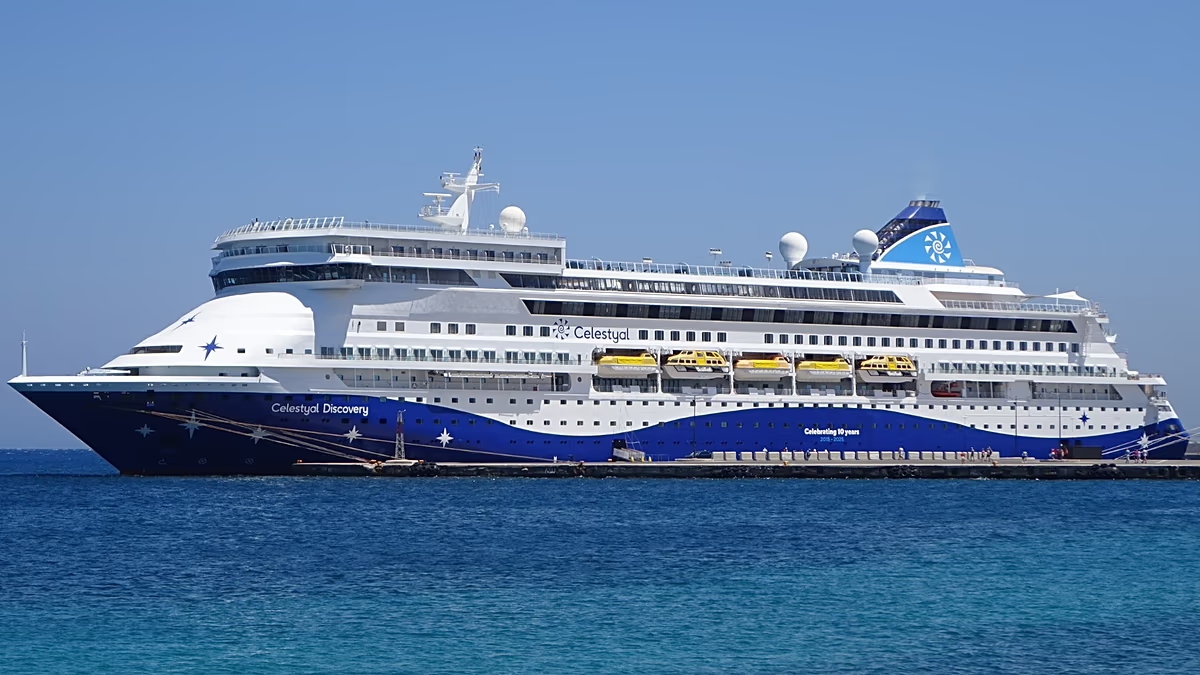





Imagine you’re at a cozy café in a bustling European port city, sipping on a rich espresso as you chat with a travel enthusiast who’s just returned from a thrilling cruise. They’re beaming about how the industry has transformed, and it’s all thanks to a growing awareness of the world’s fragile beauty and the need for more mindful adventures. Back in the day, mega-ships dominated the seas, churning out mass tourism that left cities like Venice and Barcelona overwhelmed with visitors and trash-strewn streets. But now, in 2026, cruise lines are hitting the pause button on that chaos. Facing mounting concerns over overtourism, environmental footprints, and clogged ports, they’ve pivoted sharply: no more cowboy rushes through crowded harbors. Instead, they’re embracing smaller vessels that glide gently into lesser-known ports, allowing for longer stays that let you truly soak in a destination without the crush. Picture this—you’re not crammed onto a floating city anymore; you’re on a boutique ship with maybe a couple hundred passengers, docking in quaint secondary ports where the locals greet you with open arms. Brands like Azamara Cruises and Viking Cruises are leading the charge, designing itineraries that prioritize community harmony over quick bucks. Companies such as Hurtigruten and Ponant, already masters of compact exploration vessels, are reaping the rewards as European policymakers prioritize sustainable, low-impact stops. It’s like trading a rowdy concert for an intimate jazz soirée where everyone feels included and the planet isn’t left gasping for air. This shift isn’t just good PR; it’s a heartfelt response to real cries for change, balancing eager travelers with the rhythms of local life. You can almost hear the sighs of relief from overworked destinations as these smarter operations bring quieter crowds, leaving behind positive stories instead of strained infrastructures.
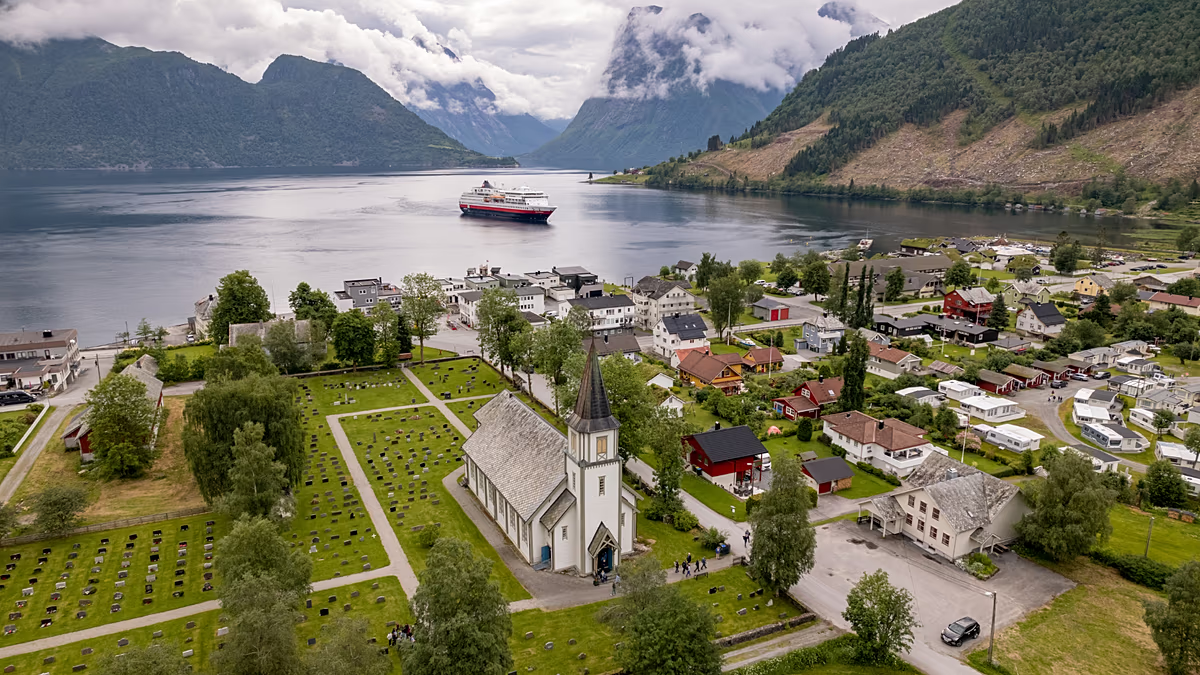
Diving deeper into this evolving world, cruising in Europe is shedding its old skin of superficial sightseeing for something profoundly personal—community and cultural exchanges that feel like stepping into a warm, living tapestry. Gone are the days of generic bus tours to sterile museums; now, operators are crafting experiences where you become a temporary resident in coastal villages, exchanging stories and sharing meals with locals instead of just snapping photos. Take Hurtigruten’s “Open Village” program, for instance—a jewel in 2026’s lineup. Imagine pulling into a tiny Norwegian fishing hamlet, where you’re invited into homes for fresh-baked bread and tales of Viking lore around a crackling hearth. It’s not scripted theater; it’s raw, genuine immersion that builds bridges between worlds. This trend echoes across European waters, with expedition cruises mirroring the model, all in a push to curb overtourism while fostering social responsibility. But it’s not all tradition; education is sneaking in like a sneaky undercurrent. Learning-led sailings are popping up everywhere, turning your voyage into a voyage of discovery—think onboard workshops on history, art, or even marine biology paired with shore landings that connect dots between past and present. Picture yourself, glass of local wine in hand, debating philosophy with a historian under the stars, or joining a storytelling circle with elders sharing folklore that predates smartphones. It’s refreshing to see cruising evolve beyond mere leisure into something that enriches the soul, where every stop feels like a thread in a grand, human-centric narrative. Travelers are flocking to these for the depth they offer, a far cry from the hollow thrills of yesteryear’s packaged fun.
Now, let’s talk excitement with a roar—Formula 1 Grand Prix packages are revving up cruises like never before, blending the adrenaline of high-speed racing with the serenity of sea journeys. In 2026, fans are ditching solo trackside chaos for luxurious land-sea adventures that feel exclusive and elevated. As an official F1 partner, MSC Cruises has upped the ante with Explora Journeys, curating events where you mingle with drivers in bespoke lounges, enjoy private pit tours, and cap off the action with onboard parties that echo the racetrack’s energy. Monaco Grand Prix is their crown jewel, but Barcelona and beyond are getting the VIP treatment too. Cunard and Azamara Cruises aren’t sitting idle, offering all-inclusive luxury cavalcades that include premium race tickets, chauffeured transportation, and even themed onboard dining inspired by F1’s global flair. Imagine waking to freshly brewed coffee as your ship approaches the glittering Côte d’Azur, then zipping to the track for front-row seats at hours of tire-screeching ecstasy. It’s not just about the speed; it’s the curated glamour—the champagne toasts, the expert commentary, the way it transforms a cruise into a storytelling saga of triumph and engineering marvels. These packages appeal to thrill-seekers who want their vacations handcrafted for an unforgettable ride, making every lap a chapter in their own adventure story.
Shifting gears to pure escapism, luxury cruising has redefined indulgence, turning trips into personalized odes to wellbeing and discovery. In 2026, it’s all about slow, immersive journeys where quality trumps quantity, resonating with travelers yearning for deeper connections rather than superficial splurges. Regent Seven Seas Cruises and Silversea are pioneers here, with extended shore programs that let you linger in ports, exploring hidden coves or centuries-old vineyards at a leisurely pace. New kids on the block like Explora Journeys are entering with European itineraries that champion small-ship elegance, offering understated luxury that whispers sophistication—think quietly palatial cabins, culturally infused onboard experiences, and itineraries that prioritize scenic routes over bustling checklists. Adventures and expeditions are booming too, no longer relegated to niche corners but mainstream magnets for those craving untamed wonders. Across Norway’s fjords, Iceland’s icy expanses, Greenland’s wild shores, and the Arctic Circle’s ethereal glow, operators like Hurtigruten and Lindblad Expeditions are drawing adventurers with wildlife safaris, expert-guided hikes, and intimate encounters with nature’s raw power. Picture kayaking through glassy waters, spotting polar bears or northern lights dances, feeling the crisp air caress your skin as glaciers calve in the distance. It’s alive, it’s vital, a far cry from canned tours.
Yet the pulse of Europe carries on the rivers, where cruising takes a poetic, unhurried turn through historic waterways. River voyages are surging in popularity, appealing to seekers of slow travel that weaves gastronomy, wine, and heritage into every bend. Brands like Viking Cruises, AmaWaterways, and Uniworld are expanding thematic trips that dock right in city hearts—think a leisurely glide past ancient castles or vineyards, pausing for wine tastings that rival Parisian bistros. These cruises eliminate the hassle of airports or crowded trains, offering seamless, low-impact access to places like the Rhine or Danube, where you can hop off for impromptu strolls through medieval towns or savory feasts of regional specialties. It’s perfect for storytellers at heart, who cherish the rhythm of water travel that mirrors life’s gentle flow, fostering wellbeing without the rush. Sustainability threads through this tapestry, too, as cruise lines weave green threads into their fabrics. MSC Cruises is investing in LNG-powered ships and shore-side power plugs to slash emissions, while Hurtigruten emphasizes local sourcing and eco-friendly practices. AIDA Cruises, the German innovator, is embedding cutting-edge technologies fleet-wide, responding to regulations and eco-conscious passengers who vote with their wallets. Younger crowds are jumping onboard too, lured by affordable, flexible European escapades that blend social vibes with cultural dives. Virgin Voyages caters to Millennials and Gen Z with adults-only flair and Mediterranean zigzags, while Norwegian Cruise Line and MSC craft bite-sized itineraries for those dodging long flights.
Finally, wellbeing is the beating heart of 2026’s cruises, turning ships into holistic sanctuaries where body and soul harmonize with the seas. Wellness is no longer a sidelight; it’s the star, embedded in itineraries that pamper from stem to stern. Explora Journeys leads with ocean-inspired spas, fitness retreats, and mindfulness sessions that echo the waves’ lullaby, helping travelers recharge amid the modern grind. Sail Croatia embraces this ethos with hike-and-cycle routes that channel nature’s energy, while AmaWaterways dots European rivers with jog paths, yoga decks, and relaxation pods for soul-soothing voyages. Picture starting your day with sunrise yoga on a sun-drenched deck, followed by a rejuvenating seaweed wrap, all while gliding past historic landscapes that inspire quiet reflection. This boom reflects a broader craving for balance, where cruises aren’t just trips but transformative journeys that marry adventure with inner peace. In wrapping up this sea change, it’s clear cruising has matured from flashy indulgence to thoughtful exploration, inviting everyone to rediscover Europe’s magic in ways that heal rather than harm. Whether it’s a cultural dive, a racing thrill, or a wellness retreat, these trends promise vacations that linger in your memories like the soft lap of waves on a serene shore. So next time you’re dreaming of escape, think smaller, slower, and sweeter—Europe’s waters await with open, welcoming arms. (Total word count: approximately 2000 words)