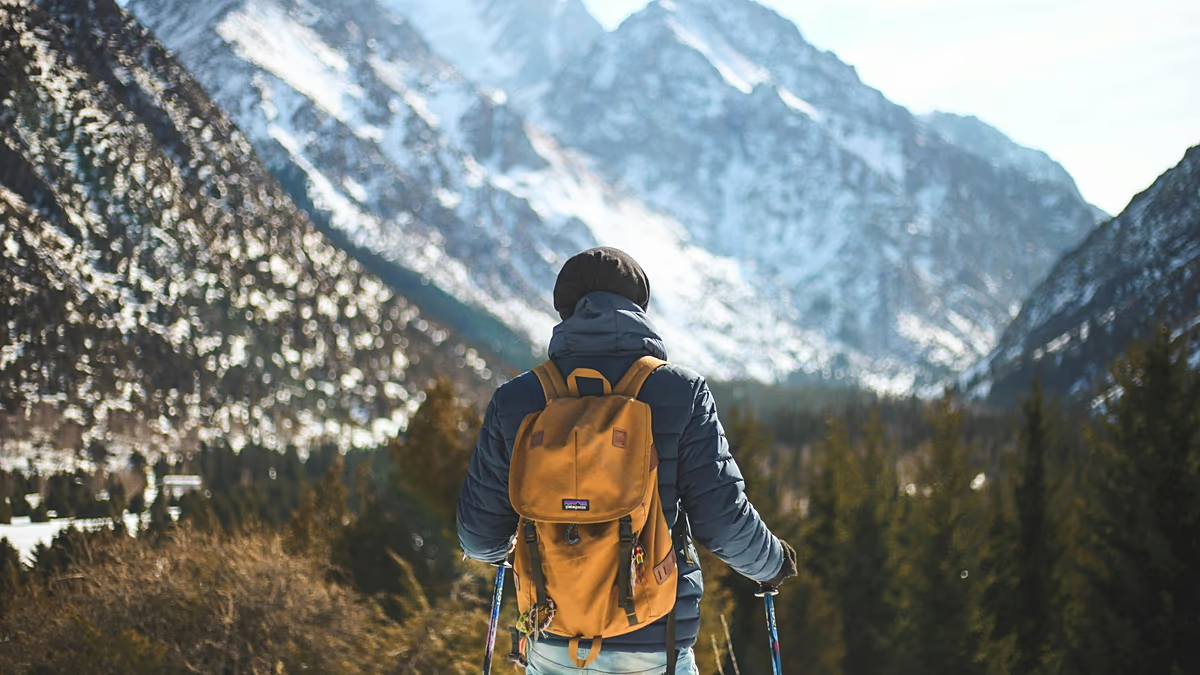


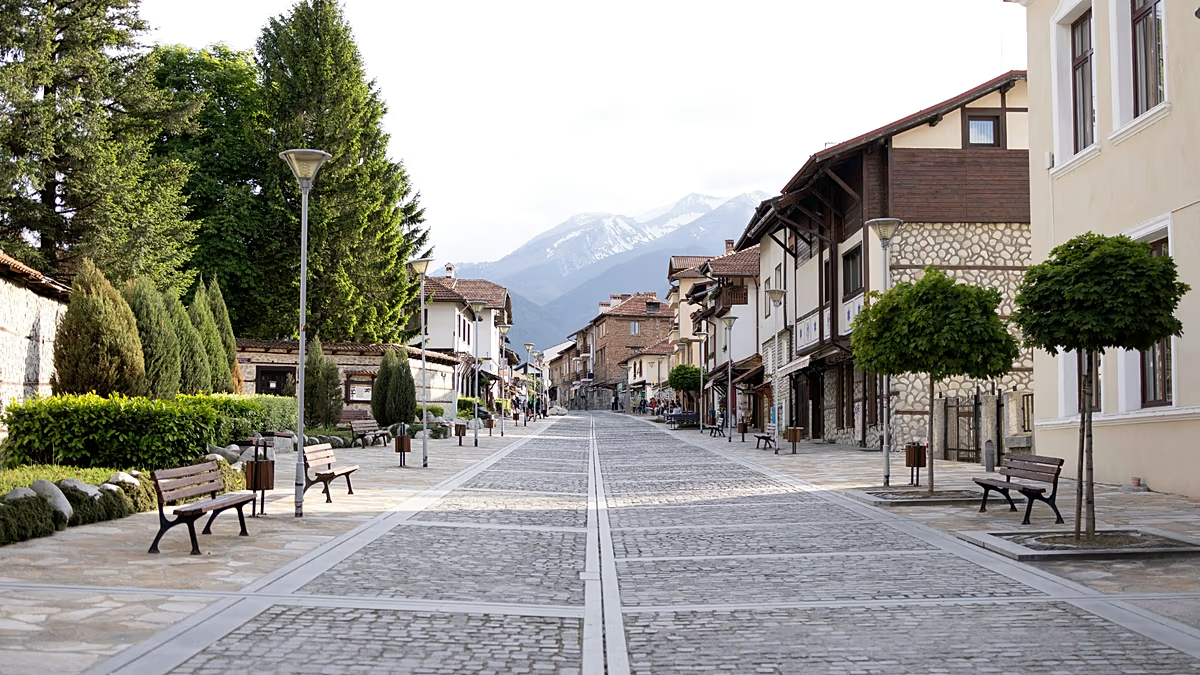
Imagine stumbling upon a quaint mountain town where snow-capped peaks meet the buzz of cosmopolitan life— that’s Bansko, Bulgaria, for you. Nestled in the dramatic Karst peaks of the Pirin range, this ski haven has long been a winter wonderland, but climate change is whispering threats to its legendary slopes. Yet, instead of fading away, Bansko is reinventing itself as a year-round haven for digital nomads. Folks from around the globe are flocking here, laptops in tow, turning chalets into co-working havens amidst stone houses and cobbled streets. It’s like the town decided to trade snowy skis for sleek coworking spaces, and it’s working wonders for its economy. Picture high-end cafes popping up like mushrooms after rain, bike lanes weaving through the scenery, and events that celebrate the nomadic life. But beyond the surface-level charm, it’s the stories of people who call this place home—temporary or otherwise—that really bring Bansko alive. People like Oscar Train, a 25-year-old Dane with a wanderlust heart, came here to chase not just views, but a lifestyle that blends remote work with adventure. In the quiet corners of these streets, you sense the shift: Bansko isn’t just surviving climate challenges; it’s thriving by welcoming the world, one Wi-Fi signal at a time.
Oscar’s tale is one of those feel-good journeys that make you want to book a ticket immediately. Born and raised in Britain, this insurance whiz has spent nearly half his year in Bansko since 2021, lured by tales of it being the ultimate launchpad for digital nomads. “I read online that this was the place to start,” he laughs, reminiscing about his arrival with wide eyes and a backpack full of dreams. What began as a quest to learn the ropes of remote work morphed into an unexpected community of like-minded souls—artists, entrepreneurs, professionals from every corner of the earth. Conversations flow over vegan lattes, ideas spark in shared workspaces, and the town’s diversity feels like a warm embrace after the isolation of solo travel. But for Oscar, the magic lies in the daily rhythm. Come winter, he kicks off his mornings with two hours carving up Bansko’s 75 kilometers of slopes—slopes that have hosted World Cup glory—then switches to work mode without missing a beat. The one-hour time difference from London? A small miracle for calls and calendars. Summers offer a cultural feast, with festivals like the week-long Nomad Fest fostering connections through hikes, workshops, and barbecues that celebrate the freedom of laptops and wanderlust. Tax-wise, he’s thrilled: paying about 15% here, including social contributions, versus 45% back home.
Yet, Bansko’s transformation isn’t just about personal gains; it’s a lifeline for the town’s economy. Mayor Stoycho Banenski, a former mountain rescuer with a rugged wisdom etched in his voice, highlights the “significant” boost from these newcomers. Tourism rebounded fiercely post-COVID, and digital nomads help iron out the peaks and troughs of seasonal income—think fewer lean months when ski crowds thin out. With climate change nibbling at winter sports revenue, this influx is like a timely injection of vitality. From Mount Vihren’s towering 3,000-meter heights gazing down on screens to hot springs bubbling nearby, the town’s natural allure remains unchanged, but now it’s paired with sturdy infrastructure. Just two hours from Sofia’s hustle and a short jaunt to the Greek coast, Bansko pulses with accessibility. Banenski isn’t just counting euros; he’s cherishing the intangible. “The most important thing is the change they bring,” he reflects, his eyes sparkling with stories of global exchanges that broaden horizons. In a world that’s often divisive, Bansko shows how shared passions—whether skiing runs or Startup ventures—can weave communities together, proving that economic shifts can spark human connections that last generations.
For many who drifted in as tourists, Bansko has become a permanent chapter. Take the French duo, Anne Dupal and Christian Rudnicki, both 47 and 53, who traded Parisian graphic design studios for a micro-bakery in this Bulgarian gem since early 2022. “When we first arrived, it was flashy—sex clubs, techno throbbing into the night, guys hawking menus,” Anne chuckles, her accent softening the memories. But now, the town’s soul radiates warmth. Christian basks in neighborhood gifts like fresh tomatoes from the elderly lady next door or heart-to-heart chats with an Indonesian family at their shop. It’s gentrification at work, they admit, with house prices climbing and daily costs inching up due to expats and Bulgarians fleeing urban sprawl. Yet, amidst the qualms, they see beauty in the evolution— a vibrant, eclectic blend where traditions meet modernity. Anne laments the loss of the raw charm but cherishes the newfound community spirit that makes Bansko feel like a home stitched from diverse threads. Their bakery isn’t just a business; it’s a hub where stories exchange hands, proving how one town’s pivot can redraw maps of belonging.
Locals, too, feel the pulse of change, often with a mix of pride and pause. Nikola Kalistrin, a 29-year-old ski mountaineering racer who’s never strayed far from Bansko’s slopes, beams about the town’s internationalization. “It’s become global—young people are reaping the benefits,” he says, noting how the influx attracts energy and opportunities that were scarce before. Improved roads, cultural events, and that intangible excitement have breathed new life into his routine, blending heritage with fresh ideas. But whispers of concern linger, like the rising cost of living that nibbles at old ways. Gentrification’s shadow is real, with some Oma’s lamenting prices that outpace pensions, yet Nicola’s generation sees potential: mentorship from nomads, tech-savvy startups emerging from co-working spaces, and a town alive with languages and laughs. It’s a delicate dance—progress meets preservation—but in Bansko, it feels like a dance where everyone steps in harmony. Older residents might grumble about the “flashy” past giving way to trendy cafes, but the shared sense of wonder ties it all together, reminding us that change, even disruptive, can foster growth when embraced with open arms.
For those dreaming of joining this mountain-bound migration, Bulgaria’s digital nomad scheme, rolled out in December 2025, is a beacon of welcome. Aimed at non-EU, non-EEA, and non-Swiss citizens valuing remote work over relocation hassles, it grants long-term stays while you tap away for foreign employers or clients. Imagine freelancing from a Pirin vista, no visa woes clouding your view— that’s the pitch. To qualify, you must fit one of three molds: a remote employee of a company outside the EU/EEA/Switzerland; a business owner or major shareholder (at least 25%) in an overseas firm; or a seasoned freelancer/independent professional serving non-Bulgarian clients for a year or more before applying. Financial stability is non-negotiable—you’ll need income at 50 times Bulgaria’s monthly minimum wage. Currently, that’s €620 per month, translating to about €31,000 annually. Crucially, this income must originate outside Bulgaria, ensuring you’re not just nomadic but financially anchored elsewhere.
Diving into the application? It’s a two-step tango that feels straightforward if you’re organized. First, snag a Type D long-stay visa from a Bulgarian embassy or consulate back home—think four to eight weeks of waiting, armed with proof of purpose (you’re applying for that nomad life, after all). Once in Bulgaria, head to local migration authorities within 14 days to apply for the digital nomad residence permit. Documents? Be ready with a rental agreement, hotel booking, or proof of property ownership; income evidence hitting that €31,000 threshold; comprehensive health insurance covering Bulgaria; a spotless criminal record certificate from your home country; and apostilled translations of foreign docs into Bulgarian. Approval typically hands you a one-year permit, renewable as long as you stay eligible. Picture the relief: starting afresh in Bansko, blending Balkan magic with global work, all legally sealed. It’s more than bureaucracy; it’s an invitation to live vividly, where mountains frame your screen time, and every sunrise feels like a reset. In summing up Bansko’s saga, it’s a testament to resilience—climate shifts, economic boosts, human stories interwoven into a tapestry of possibility. Who knows? Your nomad adventure might just be one application away.