



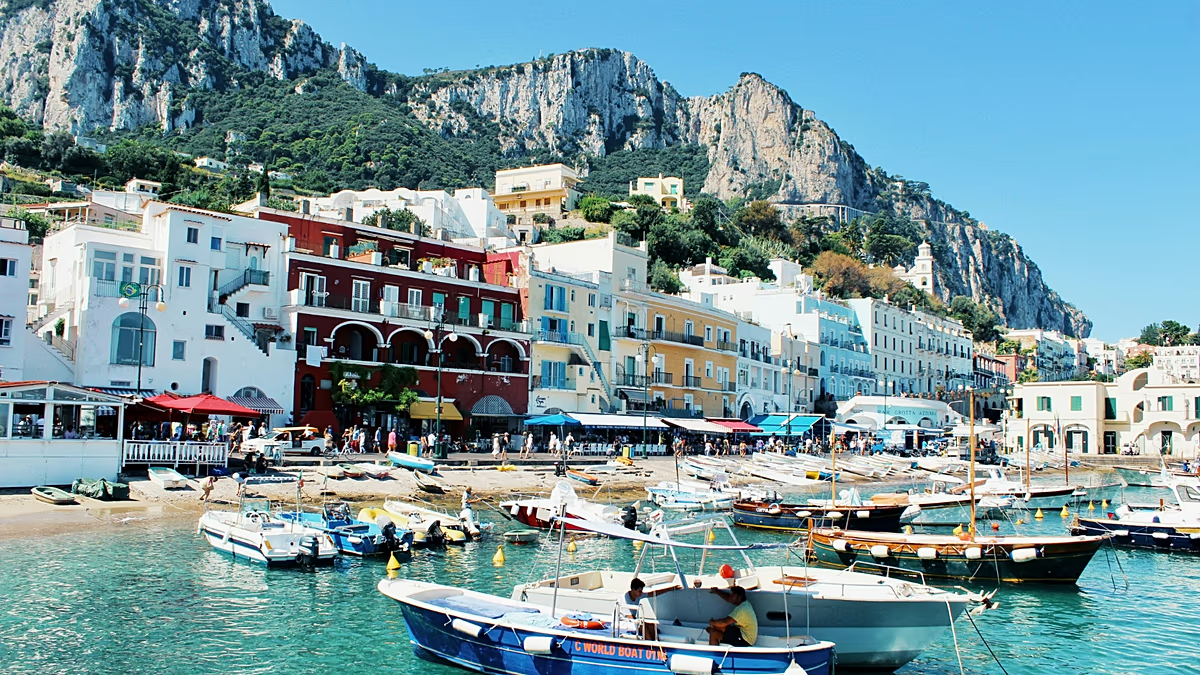
Capri, that jewel of the Mediterranean, has always been a dream destination for those seeking romance, luxury, and a touch of paradise. Nestled off the coast of Italy’s Amalfi peninsula, this small island encapsulates the allure of the Bay of Naples, with its breathtaking cliffs dropping into the turquoise sea, lush gardens, and historic villas that have hosted legends like Roman emperors and Hollywood stars. But beneath its glamorous facade, Capri is a delicate ecosystem, home to around 13,000 to 15,000 residents who live a quietly sophisticated life amid the echoes of history. Imagine waking up to the scent of lemon trees and the gentle hum of the sea, but then the peace is shattered by hordes of visitors surging through the narrow, winding streets like a relentless tide. For years, this upmarket haven has struggled with the paradox of its popularity: drawing millions who flock to its serene spots, only to disrupt the very tranquility they come for. Now, in a bold move to reclaim its soul, Capri has unveiled new tourism rules set to take effect this summer. These aren’t just minor tweaks; they’re a declaration that the island’s spirit must be preserved. Authorities are clamping down on large tour groups, those unruly bands that clog the picturesque lanes, blare loud announcements, and overshadow the intimate charm that makes Capri special. It’s a step toward ensuring that visitors can truly experience the island’s elegance without feeling overwhelmed by chaos.
The core issue plaguing Capri is the sheer volume of tourists invading its shores. In the peak season, up to 50,000 people arrive daily—a staggering number that dwarfs the resident population, turning what was once a personal retreat into a crowded bazaar. Picture this: families from around the world, armed with selfie sticks and oversized backpacks, squeeze through alleys so narrow you can touch the walls on either side, elbowing past locals going about their day. Scenic viewpoints, once solitary spots for reflection against the azure backdrop of the Gulf of Sorrento, are now battlegrounds of pose-makers and impatient guides. For Capri, which has long positioned itself as a bastion of tranquility and exclusivity—think cocktail dresses at twilight on Villa San Michele’s terraces, or lazy afternoons picnicking on the Faraglioni rock formations—this flood of daytrippers is a existential threat. It’s not just about numbers; it’s about the loss of that magical, unobstructed connection to nature and history. Since the 1950s, Capri has enforced etiquette rules to ward off vulgarity, banning noisy radios and impractical footwear like wooden clogs that echoed through the streets. Today, the enemy has evolved into these disorganized tour groups, noisy and sprawling, that disrupt residents’ routines and turn communal spaces into free-for-alls. One can almost hear the island sighing under the weight, yearning for the days when explorers like Maxim Gorky wandered its paths in contemplative solitude.
Diving deeper into the historical weave of Capri’s allure, it’s fascinating how past sensibilities still shape its present. The island has been a playground for the elite since ancient times—Emperor Tiberius chose it for his opulent imperial court, dotting the cliffs with villas that whispered of intrigue and indulgence. Later, European aristocracy flocked here for its mild climate and scenic drama, and by the mid-20th century, Hollywood royalty like Audrey Hepburn and Jackie Kennedy transformed it into a symbol of chic escapism. Yet, even then, Capri fought to maintain decorum; those early rules against loud radios and clogs were pioneering efforts to protect its vibe from the encroaching march of mass tourism. It wasn’t just about noise—it was about preserving a sense of refinement, where visitors could immerse themselves in the island’s blend of Greek mythology (the Blue Grotto’s ethereal glow), Roman relics, and Mediterranean languor. Fast-forward to now, and the latest scourge, those unwieldy tour groups, undermines this legacy. Authorities point out how these groups, often led by enthusiastic but overstretched guides using megaphones and flashy accessories, turn serene walks into chaotic marathons. Groups might block pathways entirely, leaving no room for a romantic couple to stroll hand-in-hand or a local vendor to set up his fresh ricotta stand. This isn’t merely inconvenience; it’s a dilution of Capri’s essence, chipping away at the island’s identity as a place where time slows down and beauty stands unmarred.
In response to this encroaching tumult, Capri’s new regulations are designed to be both firm and thoughtful, aiming to balance access with respect. Starting this summer, tour groups will be capped at 40 people maximum per group disembarking on the island—a sensible limit that prevents the influx from overwhelming the fragile landscape. For those smaller multitudes, say groups over 20, loudspeakers are outright banned; instead, guides must equip participants with discreet headphones or earpieces for personalized narrations, ensuring that the only voices heard are the ones meant for immersion. Gone are the days of guides brandishing umbrellas or flags to herd their flocks; now, only subtle signs or regulatory paddles are allowed, minimizing visual clutter and allowing the island’s natural beauty to shine through. Moreover, groups must stay tightly knit, avoiding sprawl that could endanger others or monopolize spaces. Think of it as a dance: everyone moves harmoniously, with room for solos and duets along the way. Guides are now custodians of courtesy, ensuring groups don’t hog benches, alleys, or those iconic clifftop views where the sea meets the sky in symphony. This isn’t about elitism; it’s about restoring order to a paradise that thrives on shared grace, where a visitor can gaze at the ruins of Villa Jovis without being jostled by a surging crowd.
Unsurprisingly, these changes have sparked widespread praise from Capri’s residents and tourism stakeholders, who see them as a lifeline for the island’s livability. Lorenzo Coppola, the president of Capri’s hotelier association, hailed the rules as “an act of responsibility” crucial for decongesting hotspots and returning “breathing space” to the pedestrian arteries that pulse through the island. In a heartwarming reflection, Coppola envisioned a renewed Capri where locals can enjoy their home without dodging waves of outsiders, businesses thrive in an atmosphere of calm, and visitors leave with memories etched in serenity rather than exhaustion. Similarly, Gianluigi Lembo, proprietor of the renowned Anema e Core tavern—a hotspot where celebs like Jennifer Lopez, Mariah Carey, and Leonardo DiCaprio have let loose—emphasized inclusivity. “Tourists? All of them, but not all at once,” he told a local outlet, stressing that caps aren’t about favoring VIPs or excluding anyone. Instead, they honor the island’s finite space, ensuring equitable enjoyment for everyone, from families on budget trips to luxury seekers. His words paint a picture of Capri as a communal jewel, where proper regulation prevents the tragedy of the commons, allowing bartenders to chat with regulars, artists to sketch without interruption, and everyone to savor that authentic Capri vibe—one uninterrupted sip at a time.
Looking ahead, Capri’s mayor, Paolo Falco, is optimistic about building on this momentum with additional measures to tame the chaos at Marina Grande, the bustling port where ferries unload the daily deluge. Passengers, many laden with suitcases and adventure gear, often cluster chaotically before hopping on the funicular or buses to Capri’s center or the tranquil Anacapri on the western slopes. Falco confided that the council is exploring time-limited disembarkations, potentially staggering arrivals to avert bottlenecks that turn the waterfront into a frenzied relay. “We are studying this and port security extensively,” he said, promising solutions before summer’s heat wave. This forward-thinking approach embodies Capri’s spirit of adaptation, blending preservation with hospitality. Residents dream of a future where the island’s ports hum efficiently, where arrivals flow like the gentle tides, and where locals and visitors coexist in harmony. Tales abound of past summers marred by gridlocks, but now, with these rules, Capri is scripting a comeback—reclaiming its title as the “Isle of Delights” where beauty is accessible yet sacred, and every day feels like a privileged unfolding of history and tranquility. In essence, this isn’t just about restricting crowds; it’s about nurturing the human connection to a place that, for centuries, has inspired poets, painters, and dreamers. By humanizing its tourism, Capri ensures that its magic endures, inviting us all to step into its embrace one thoughtful moment at a time.