




Navigating Europe’s New Border System: What Travelers Need to Know
The European Union has begun implementing its new Entry/Exit System (EES), a significant change to how non-EU travelers enter the Schengen Area. Since October, this digital border control system has been gradually rolling out across European airports, requiring travelers from countries like the UK and US to provide biometric data including fingerprints and facial scans at specialized kiosks. This modernization aims to replace the traditional passport stamping process with a streamlined digital system, but the transition hasn’t been without challenges. Many travelers have already experienced considerable delays at airports where the technology is operational, sometimes resulting in missed flights as both passengers and staff adjust to the new procedures. The complete implementation across all Schengen borders is expected by April 2026, but with holiday travel seasons approaching, concerns about potential disruptions are mounting among frequent travelers and tourism professionals alike.
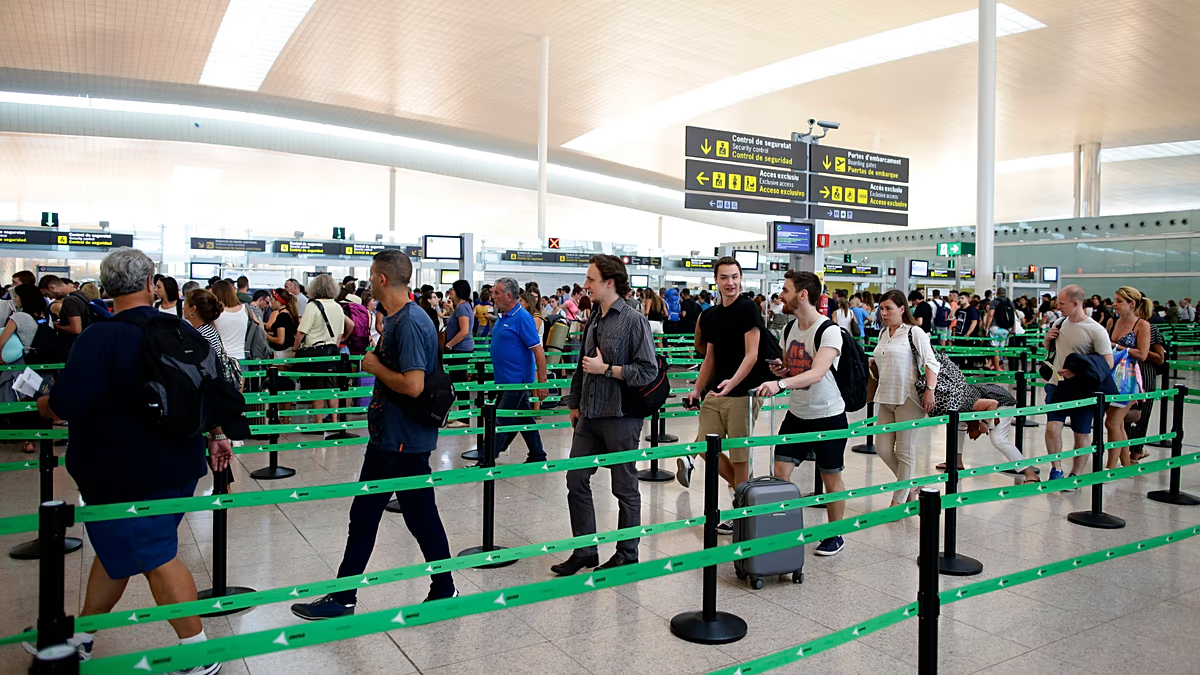
The introduction of the EES represents the most significant change to Europe’s border management in decades, designed to enhance security and provide better monitoring of short-term visitors to the Schengen Area. At participating airports, non-EU nationals must now scan their passports at self-service kiosks, submit their fingerprints, and have their photos taken—a process that takes considerably longer than the previous stamp-and-go system. First-time registration is particularly time-consuming, as the system stores travelers’ information for future visits. While the technology promises efficiency in the long run, the learning curve has created bottlenecks at border checkpoints across Europe. Airport authorities have attempted to mitigate delays by increasing staff numbers and creating dedicated lanes for EES processing, but travelers have still reported waiting times of up to two hours at busier terminals during peak travel periods. This has particularly affected major European hub airports like Amsterdam Schiphol, Paris Charles de Gaulle, and Frankfurt, where large numbers of international passengers make connections.
The consequences of these delays extend beyond mere inconvenience, with some travelers missing connecting flights due to extended processing times. This raises important questions about passenger rights and responsibilities in this transitional period. Under EU regulations, airlines must provide assistance to passengers who miss connections due to circumstances beyond their control, including booking them on the next available flight and providing meals and accommodation where necessary. However, this protection comes with an important caveat: it only applies to travelers who purchased “through tickets” with a single booking. Those who opted for “self-transfer” arrangements with separate tickets—even if on the same airline—find themselves in a more vulnerable position, as they bear the responsibility of making alternative arrangements should they miss their connecting flight due to EES-related delays. This distinction has caught many travelers off guard, leaving them with unexpected expenses and disrupted travel plans.
The financial impact of missed connections can be substantial, with unexpected expenses averaging around €390 per incident according to recent data. Many travelers naturally turn to their travel insurance for protection, only to discover that most policies contain exclusions that make EES-related delays ineligible for coverage. Insurance experts explain that since the new system’s implementation is a known event rather than an unforeseen circumstance, it typically falls outside the scope of standard travel insurance provisions. Most policies specifically exclude delays caused by immigration or security procedures, categorizing them as foreseeable administrative processes rather than insurable incidents. This coverage gap has created frustration among travelers who assumed their comprehensive travel insurance would protect them against such disruptions. Some premium insurance policies may offer more flexibility, but the majority of standard plans provide little recourse for passengers affected by the new border control measures.
In light of these challenges, travel experts recommend adopting proactive strategies to minimize the risk of disruption. Allowing for substantially longer connection times when traveling through Schengen airports is now considered essential, particularly for first-time visitors who must complete the full registration process. Many travel advisors suggest budgeting at least three hours for connections involving border crossings, compared to the previous recommendation of 90 minutes. Choosing direct flights where possible, even if they come at a premium, can eliminate the risk of missing connections altogether. For those who must make connections, purchasing “through tickets” rather than separate bookings provides an additional layer of protection. Arriving at departure airports well ahead of scheduled flight times—at least three hours for international journeys—has become increasingly important. Additionally, travelers are advised to familiarize themselves with the EES procedures before departure and ensure their travel documents are in perfect order to avoid any complications that could further extend processing times.
Looking forward, there’s cautious optimism that the initial disruptions will diminish as both travelers and border officials become accustomed to the new system. Transportation authorities across Europe are working to optimize the implementation process, with many airports investing in additional kiosks and dedicated staff training programs. The European Commission has acknowledged the teething problems but maintains that the digital system will ultimately create a more secure and efficient border experience. For frequent travelers to Europe, pre-registering personal information through the upcoming European Travel Information and Authorization System (ETIAS), set to complement the EES from 2025, may help expedite future border crossings. In the meantime, patience and preparation remain the best allies for international travelers visiting Europe. By understanding the new requirements, planning accordingly with generous time buffers, and having realistic expectations about insurance coverage, travelers can navigate this transitional period with minimal disruption to their European adventures.