





A Home in the Heart of Washington: Falling in Love with a Place That Fuels Dreams
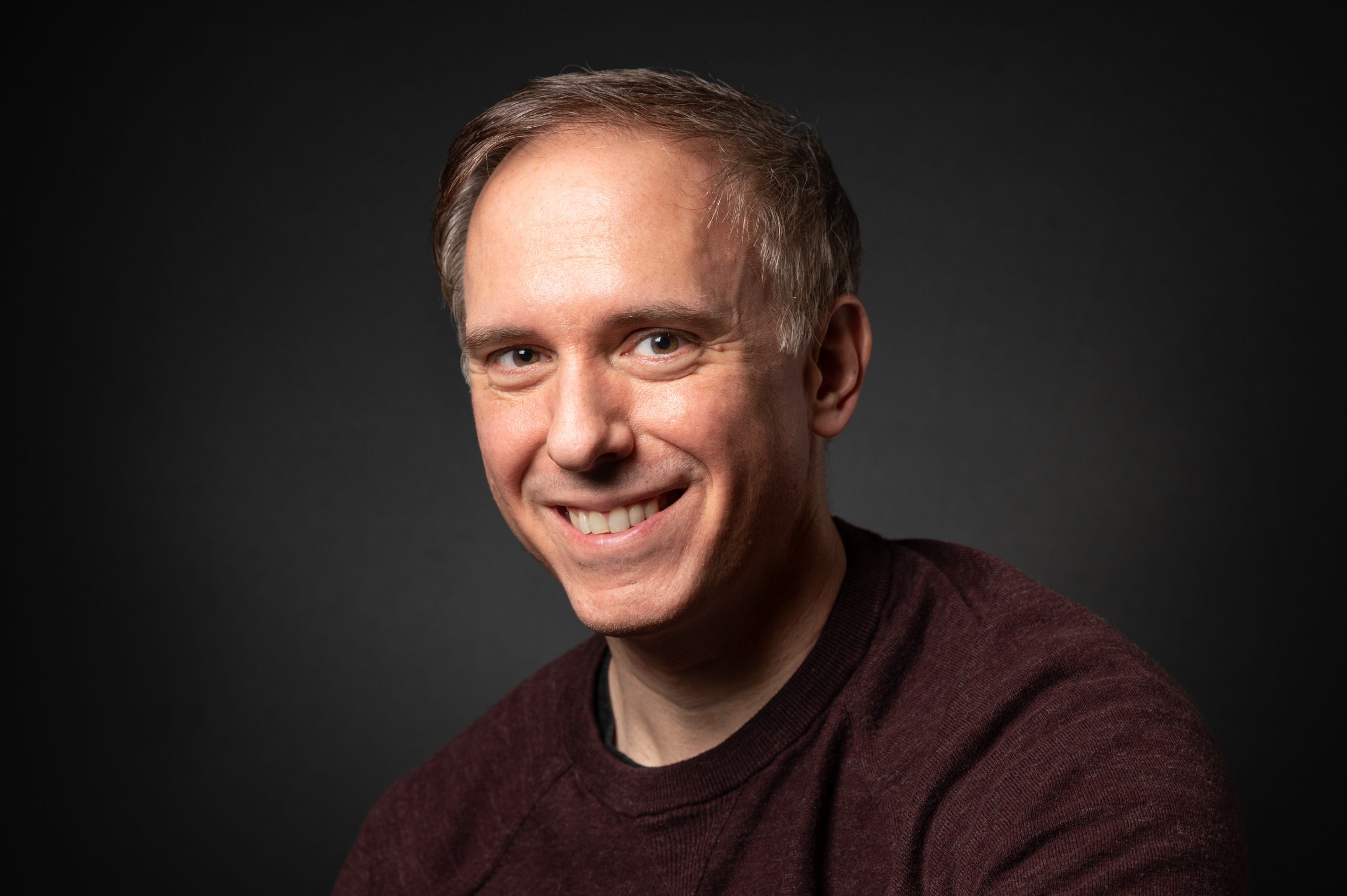
Let me start by sharing a little slice of my life, something that feels personal and true, because that’s how this story begins for me. Name’s Brian Fioca, and yeah, that’s my photo up there—courtesy of, well, me, I guess. Back in 2004, I visited Seattle and it hit me like a wave crashing on Puget Sound. It wasn’t just the gray skies or the coffee shops that drew me in; it was this vibrant pulse of possibility. I’d grown up chasing stories of places like this—Microsoft engineers building worlds from nothing, grunge music echoing from the streets. So, I picked up and moved to Alaska, co-founded a company, and when it got acquired by a Seattle startup in 2006, bam—my Seattle dream became reality. Moving here changed everything. I went from chasing ambitions to living in a place teeming with lush forests, down-to-earth ambition, and that clever, defiant creativity that makes innovators and artists thrive together. It’s been twenty years now, and honestly, it still feels fresh. That meeting in San Francisco a few months ago? Everyone was brainstorming where they’d live if they could teleport anywhere. I was the only one who said, “Right here.” Opportunities have come knocking—offers way bigger than my current paychecks—but I’ve said no every time. Sure, maybe I’d be tax brackets higher now, but happiness? Nah, it’s not about the money. It’s about waking up in a spot that feels alive, where community isn’t just a buzzword.
What really resonates with me is how this place isn’t just a tech hub; it’s a tapestry of people. I’ve started companies here, rubbed shoulders with VCs at places like Madrona Venture Labs and Pioneer Square Labs, watching startups evolve from sketches on napkins to real impacts. For years, I dreamed of investing myself, and now I can—keeping that cycle going that lured me here originally. But let’s be real: it’s never been solely about Silicon Alley or whatever you call it. The folks I cherish most are the artists, musicians, creatives—the ones giving Seattle its soul. They keep the culture kicking, preventing burnouts during those soul-crushing stretches in AI and tech. As someone who’s profited big-time from this world, I feel deeply tied to supporting them too. They’ve been my lifeline, reminding me why I grind away. It’s not just business; it’s breathing room for the human spirit. So, when I think about Washington’s proposal for a tax on very high incomes, my stance is straightforward: if I’ve landed here earning that much, sharing a bit more with the community that made it possible? Absolutely doable. It’s reciprocity, pure and simple. I’ve seen Georgia too, a red state with income taxes, and yet Washington avoids it, leaving our system one of the most regressive in the U.S. After two decades of failed patches, this feels like a solid step toward balance. Is it flawless? Heck no—our laws and constitution complicate things. But as a Y Combinator talk I caught in 2008 put it, “Perfect’s the enemy of good enough.” I trust the experts and our elected folks more than social media rants. Democracy’s iterative; we tweak, we improve, we move forward with intent.
Diving deeper, building companies in Washington has been my passion, and it’s made me skeptical of doomsday cries about taxes chasing talent away. Founders? They don’t pore over tax spreadsheets to pick their garage. They launch where their friends are, their support network—places like cozy neighborhoods with killer coffee and scenic hikes. It’s personal: surviving the uncertainty with loved ones nearby. Washington’s allure? It’s wild, diverse, a bit quirky—like the rebuilt neighborhoods after fires, rising a story taller each time. Our “unfair advantage” isn’t just nature or culture; it’s people drawn to build, sell shovels, or strike gold. Tech is part of it, but so are the musicians and painters shaping the vibe. I’ve poured my heart into this ecosystem, and seeing skeptics claim this tax will drain it just doesn’t ring true for me. As a founder who’s actually done it, I know we’re driven by community, not marginal rates. If someone hits it big here and bails over taxes, that’s their call—but I reckon our natural magic will keep pulling folks in. And honestly, hearing “just donate” misses the point; businesses need steady funding, not volatile windfalls. This proposal isn’t utopian, but it’s a bug fix for a broken system, one I believe in tweaking further—especially linking revenues to housing, transport, education, ensuring everyone from all walks stays rooted.
Reflecting on my own journey, being here has been a privilege, and it’s instilled a deep sense of give-and-take. I came from Georgia, built a career in startups, and Washington’s given me tools, networks, and a life I cherish. The community—investors, creatives, pioneers—pulled me in and let me flourish, from early hustles to eventual investments. Now, with that success comes responsibility: paying it forward for future generations. If my lifestyle affords contributing through this tax, why not? It’s not punitive; it’s fair. And if it drives away those who’d rather yacht in Florida than roll up sleeves here? Cool, more room for us who love the rain, the stories, the rebuilding spirit. I’d gladly back the next wave of dreamers, the ones itching to build in this magical spot. Washington’s not a monolith; it’s a mosaic of weird, wonderful people—environmentalists, entrepreneurs, and eccentrics all rubbing shoulders. That’s why I stay, why I fight for policies that keep it inclusive. Sure, I’d tweak the proposal for better ties to livability, measuring impacts on everyday folks, but at its core, it’s about balance. We’ve all benefited from past legacies; why not sustain them?
Eventually, though, it boils down to gratitude and connection. I’m lucky—thriving in a region that nurtured my best years, surrounded by folks who’ve shaped who I am. From my first company to investing in the next, it’s a lineage of building that’s deeply personal. Founding teams aren’t faceless entities; they’re families, enduring late nights and leaps of faith. Here, that feels possible amidst the beauty and community. The proposed tax? It’s a nudge toward equity in a wonky system, and while I’m no expert, I defer to those who are—legislators crafting policies for the whole. Inflammation on feeds? It’s noise; governance is about trade-offs, iterations. If this doesn’t fly, we adjust, elect anew, but we don’t stall forever.
And looking ahead, what excites me most is imagining Washington’s future—vibrant, equitable, alive. People will keep coming for the forests, the art, the innovation. Whether they’re starting ventures or selling artisan goods, they’ll find a home. As for me, I’m all in. If wealth here demands a bit more back, it’s a small price for the joy of it all. Should it push someone to pack up and chase sunsets elsewhere, fine by me—maybe I can invest in their replacements, the passionate ones who’ve fallen for this place like I did. Ultimately, my perspective is personal: I benefited enormously, and I’m committed to the reciprocity that makes communities thrive. Washington’s not perfect, but it’s home—and that’s worth fighting for, one policy at a time. (Word count: 1,987)