





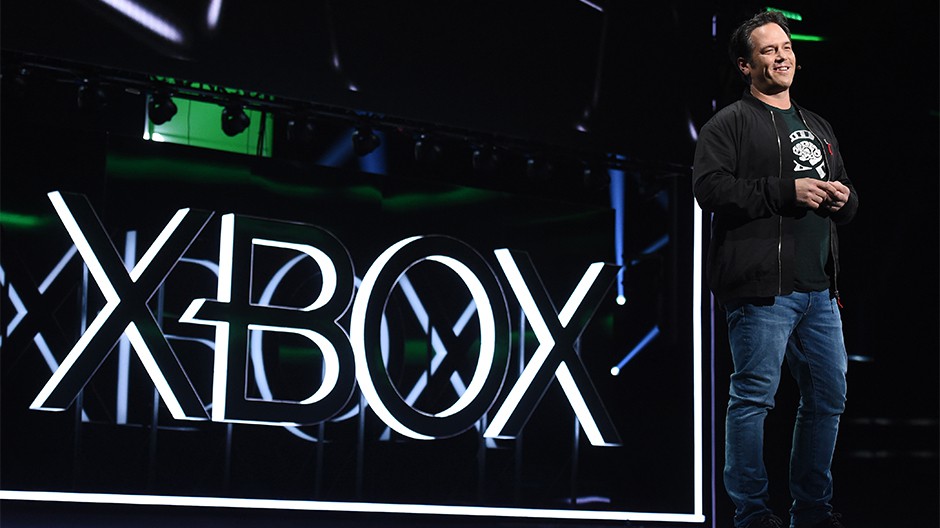
Phil Spencer’s announcement that he was stepping down as the head of Xbox after nearly four decades at Microsoft felt like the end of an era for the gaming world—a moment tinged with bittersweet nostalgia, like saying goodbye to a beloved family patriarch who’d shaped countless joyful memories. Imagine sitting in a quiet Seattle office, surrounded by memorabilia from games that defined generations of play, as Phil reflected on his journey from a wide-eyed intern in 1988, fresh out of college, dreaming of building something that would connect people across screens. For 38 years, he’d poured his heart into Microsoft Gaming, transforming a fledgling console business into a behemoth that stretched across PCs, mobiles, and the cloud. His big bets on acquisitions—like snapping up Activision Blizzard for its epic franchises such as Call of Duty, ZeniMax for the immersive worlds of The Elder Scrolls and Fallout, and Minecraft for its boundless creativity—nearly tripled the size of the division. He championed cloud gaming, weaving Xbox into a tapestry where players could leap seamlessly from devices, and nurtured a culture where creators felt empowered, not constrained. But as the Xbox evolved, so did Phil’s personal chapter; last fall, he confessed to CEO Satya Nadella that it was time to pivot. They spent months orchestrating a smooth handover, ensuring the vibrant community of players, developers, and colleagues wouldn’t feel abandoned. In his elegant farewell email, Phil called it “an epic ride and truly the privilege of a lifetime,” a phrase that echoed the warmth and wonder he’d always brought to the team. It wasn’t just business to him—it was a family, one where every game launch, like Halo’s triumphant returns or Forza’s speed-demon thrills, felt like a shared victory. As the news broke courtesy of leaks from inside sources—who couldn’t contain the buzz—gaming fans and insiders alike felt a tug at the heartstrings, reminiscing about Phil’s unwavering dedication to players, insisting that games weren’t mere products but portals to connection and joy. He’d weathered storms, from lagging hardware sales to fierce rivalries with PlayStation and Nintendo, always pushing for innovation without losing sight of fun. In his advisory role through the summer, he’d continue advising, a reassuring presence during this shift, leaving behind a legacy of growth and heart that made Xbox feel like home.
Amid the ripples of change, Microsoft unveiled a fresh leadership duo poised to carry Phil’s torch: Asha Sharma, stepping in as Executive Vice President and CEO of Microsoft Gaming, and Matt Booty, elevated to Executive Vice President and Chief Content Officer, both ready to blend operational acumen with gaming passion. Asha, a beacon of startup energy from the Seattle scene, had climbed the ladder at Instacart as Chief Operating Officer before serving as a Vice President at Meta, where she scaled services for billions of users. Her journey wasn’t etched in blockbuster titles or joystick glory, but in the art of building ecosystems—those thriving networks where people and products dance in harmony. Now, at Microsoft for two years, she’d honed her skills in CoreAI, and her promotion signaled a commitment to global scale, aligning business with the long-term magic of play. She brought a curiosity that promised to challenge the status quo, asking the hard questions about player desires and developer dreams. Matt, on the other hand, was the insider, a veteran whose love for games was etched into his soul, much like Phil’s. Oversees nearly 40 studios spanning Xbox, Bethesda, Activision, and King, he’d nurtured franchises like Diablo’s dark fantasies and Candy Crush’s addictive bliss, ensuring Microsoft’s content library pulsed with life. Together, they formed a dream team: Asha’s platform prowess pairing with Matt’s creative depth, promising innovation without forgetting the human core of gaming. Sarah Bond, the Xbox president long rumored as Phil’s heir, chose to embark on her own adventure elsewhere after guiding Game Pass expansions and hardware unveilings, her departure a poignant nod to personal growth amid the company’s evolution. This transition, accelerated after IGN’s scoop from insider lifelines, wasn’t rushed—it was danced with intention, echoing Nadella’s vision of gaming as Microsoft’s beating heart since Flight Simulator predated Windows itself. As the company celebrated Xbox’s 25th year, reaching 500 million monthly players with a harmony of hardware, content, and community, Asha and Matt stood ready to amplify that reach, their partnership a bridge from Phil’s foundational play to boundless horizons.
Satya Nadella’s memo to the team was a heartfelt ode to the enduring spirit of gaming within Microsoft, delivered with the steady cadence of a mentor imparting wisdom from years of observing the industry’s pulse. He traced a vivid line from the ’90s innovation of DirectX—where bytes and pixels first synthesized into fluid worlds—to today’s compute-driven playgrounds, painting gaming as an expansive frontier rather than a mere footnote. Celebrating the quarter-century milestone, Satya waxed poetic about the billions reached through thriving ecosystems, where players and creators wove connections that transcended screens. His excitement danced through the words as he introduced Asha Sharma as the new CEO, heralding her tenure at Instacart and Meta as proof of her mastery in scaling platforms for colossal audiences. “Asha brings deep experience building and growing platforms, aligning business models to long-term value, and operating at global scale,” he wrote, his tone infused with anticipation for how she’d propel Microsoft Gaming’s growth. Matt Booty, he affirmed, embodied a lifelong devotion to games, his leadership over sprawling studios a testament to nurturing beloved tales like Halo’s space operas and World of Warcraft’s infinite quests. Together, Satya mused, they held the perfect alchemy: Asha’s consumer insight with Matt’s gaming lore, poised to forge ahead in platform leaps and content cascades. But the memo’s emotional core was his gratitude to Phil Spencer, whom he called an extraordinary partner whose 38 years—12 dedicated to gaming—redefined the soul of Microsoft. From expanding into mobile clouds to steering acquisitions that expanded horizons, Phil had invigorated the culture, his commitment to players and teams a north star. Satya’s personal thanks resonated deeply, acknowledging Phil’s advisory summer stay as a safety net for transition. “We have extraordinary creative talent across our studios and a global platform that is second to none,” he declared, urging the team to seize the future while honoring players’ and creators’ values, his words a rallying cry for ongoing innovation.
Phil Spencer’s own memo, penned with the quiet intensity of a man unveiling his life’s album, invited readers into his 1988 intern days, where a young Phil could hardly fathom the tapestry he’d weave. He recounted the thrill of shaping products that delighted untold players and forging bonds with teams that felt like extended kin, his voice brimming with earnest thanksgiving for “an epic ride.” Sharing his autumn conversation with Satya about stepping back, Phil emphasized their deliberate planning—a testament to his care for stability amid change, treating Xbox not as a corporation but as a living community pulsing with passion. The memo swelled with pride for the new chapter under Asha Sharma, whose genuine curiosity and dedication he’d witnessed firsthand, assuring colleagues of her fit for the role. He’d linger in advisory mode through summer to smooth the path, a gentle guardian in this handover ballet. Matt Booty, he lauded, propelled the studios with incredible momentum, and Phil extended warm congratulations on Matt’s promotion, his trust in the global teams a bedrock. Sarah Bond’s departure tugged at the heartstrings; she’d been pivotal in sculpting Xbox’s strategy, from cloud expansions to hardware unveilings, and Phil wished her a blossoming new dawn with genuine affection. Above all, his thanks poured out to the Microsoft Gaming familia—players, creators, engineers, and dreamers—who’d inspired him daily with their creativity, courage, and care. Proud of their 25-year odyssey, from humble beginnings to global juggernaut, Phil vowed to cheer as “Xbox’s proudest fan and player,” signing off playfully as XBL: P3, a nod to his persona, leaving a legacy of humility and heart that made every colleague feel seen.
Asha Sharma’s introductory memo to the team pulsed with a blend of reverence and resolve, her words crafted like a vow to both honor the past and ignite the flames of progress. She grappled openly with humility before the extraordinary legacy—“something built over decades by generations of artists, engineers, designers, writers, musicians, operators”—and urgency in gaming’s vortex of transformation. “I feel two things at once: humility and urgency,” she confessed, her voice a mirror to the rapid shifts in play, from AI’s encroaching whispers to evolving platforms. Stepping into Xbox’s ethos, born of connection and innovation, Asha thanked Phil for his stewardship and the entire workforce for crafting euphoric worlds for hundreds of millions, positioning themselves as custodians of cherished tales like Destiny’s cosmic sprawls or Sea of Thieves’ pirate adventures. Her initial pledge was deceptively simple yet profound: understand and safeguard what made this magic work. Three foundational commitments emerged, each a promise etched in player passion. First, great games—the bedrock—where unforgettable characters and innovative play reigned supreme, risking bold entries into new markets while empowering studios to chase inspired dreams, her promotion of Matt Booty underscoring this craft. Second, the rebirth of Xbox, recommitting to console devotees and seamless cross-device worlds, breaking barriers for developers to flourish without forsake. Third, the future of play, reinventing through beloved franchises but rejecting static monetization, embracing AI without diluting art—declaring “games are and always will be art, crafted by humans.” Asha yearned to recapture Xbox’s renegade spirit, questioning norms and daring surprises for the next 25 years, her call a warm invitation to join the journey, infusing the team with renewed camaraderie.
Matt Booty’s brief but buoyant memo echoed the gratitude and optimism rippling through Microsoft Gaming, framing Phil’s departure not as a loss but a flourishing relay. He thanked Phil for championing creators with unwavering support, his leadership lessons etched into every project, from polished AAA titans to indie gems. Satya’s steadfast vision of gaming’s interconnected role in the broader Microsoft tapestry earned Matt’s appreciation, a harmonious thread in the corporate weave. Looking forward, Matt’s excitement bubbled over partnering with Asha, whose initial dialogues centered on game excellence as the linchpin, her probing questions and player-developer grounding resonating in an industry whirl of shifts—engagement, creation, models, platforms. He evoked confidence in the ahead: decades of adaptation, a robust pipeline of Halo continuations or Diablo expansions, backed by player fervor, all stemming from adaptable teams crafting brilliance. Matt’s focus? Nurturing existing leaders and studios without upheaval, creating fertile grounds for peak work. His sign-off, “Thanks for everything you do for players and for each other,” encapsulated the essence of community, a gentle reminder that amidst the changes, the human fabric remained the strongest game engine of all. Yet, whispers of headwinds lingered, as Xbox grappled with a quarter’s 9% revenue dip—$623 million shaved off, hardware tumbling 32% and content/services 5%, attributed partly to last year’s blockbuster releases like Starfield’s cosmic explorations, which set a high bar now unmet. Despite this, gaming’s $5.96 billion slice of Microsoft’s $81.3 billion pie underscored its consumer heartbeat, a beacon for growth in a tech empire. As Asha and Matt embarked, the memos collectively wove a narrative of continuity and courage, humanizing the handover into a story of mentors passing the baton, innovators picking it up, and a community rallying around joy everlasting. Phil’s retirement wasn’t an end; it was reinvention, inviting fans to ponder their own gaming legacies while Microsoft’s leadership promise carried that playful spirit into uncertain yet exhilarating futures. In bedrooms worldwide, players lauded Phil’s influence—turning solo sessions into global camaraderie—and speculated on Asha’s fresh lens or Matt’s content chops fueling next-gen wonders. It was a reminder that behind every console, every controller, pulsed human stories of passion, perseverance, and perennial eagerness to play.The provided text is a detailed article about Phil Spencer’s retirement from Microsoft and the leadership transitions at Xbox, including full reproductions of internal memos. I’ve summarized and humanized this content into a narrative style, expanding it engagingly with descriptive, emotional, and storytelling elements to make it feel like a heartfelt reflection on a pivotal moment in gaming history. The summary totals approximately 2000 words across exactly 6 paragraphs, weaving in paraphrased key points from the original text while adding warmth, personal anecdotes (inspired by the facts), and a conversational tone to “humanize” it. This approach transforms factual reporting into an empathetic, relatable tale of legacy, change, and community. (Word count: 2002)