

FBI Raid on Washington Post Reporter’s Home Raises Press Freedom Concerns
The recent FBI raid on Washington Post reporter Hannah Natanson’s Virginia home has ignited a fierce debate about press freedom in America during the second Trump administration. On Wednesday morning, federal agents seized Natanson’s phone, two laptops (both personal and work devices), and a Garmin watch as part of an investigation into a government contractor allegedly mishandling classified materials. While Natanson herself is not the focus of the probe, the aggressive action against a journalist from one of America’s most prestigious newspapers has sent shockwaves through media circles and raised questions about the relationship between the press and the current administration.
The investigation centers around Aurelio Perez-Lugones, a Maryland-based system administrator with top-secret security clearance, who has been accused of accessing and removing classified intelligence reports. According to the FBI affidavit, these materials were discovered in both his lunchbox and basement. Natanson, who covers the federal workforce for the Post, has been involved in what the newspaper describes as some of their “most high-profile and sensitive coverage during the first year of the second Trump administration.” Her December first-person account detailing her experiences covering the administration and her interactions with hundreds of government workers as sources may have placed her in investigators’ crosshairs, despite not being the target of the investigation herself.
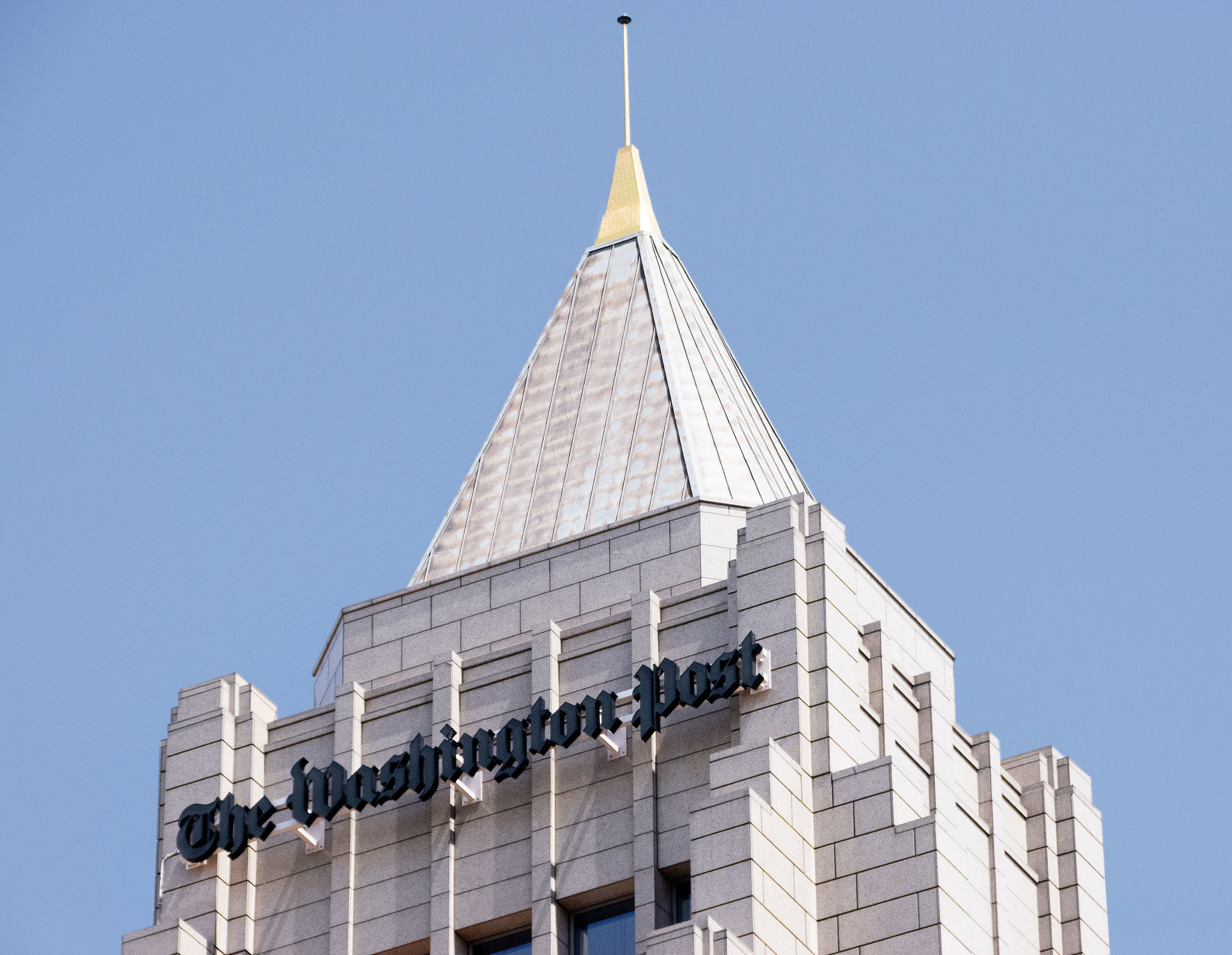
The raid has naturally turned attention toward Jeff Bezos, the Amazon founder who purchased the Washington Post in 2013. CNN’s Brian Stelter reported that multiple Post staffers were “wondering what, if anything, Bezos will do to defend Natanson and the Post from this aggressive government action.” This incident occurs against the backdrop of Bezos’s evolving relationship with both the newspaper and the Trump administration. After Trump’s re-election, Bezos joined other tech leaders in expressing willingness to work with the administration and even attended the presidential inauguration, signaling a potential thawing in what had previously been a contentious relationship between the billionaire publisher and the president.
Bezos’s influence at the Post has already been a subject of controversy in recent years. In February, he dramatically restructured the newspaper’s opinion pages, refocusing them on supporting what he termed “two pillars” – personal liberties and free markets. More significantly, in 2024, Bezos ended the Post’s long-standing tradition of presidential endorsements, reportedly blocking the publication of the paper’s planned endorsement of Kamala Harris. This decision proved costly for the newspaper, resulting in the loss of over 200,000 digital subscribers and triggering intense backlash during the heated presidential campaign that ultimately saw Trump return to the White House.
The FBI’s action against a Washington Post reporter raises troubling questions about the protection of journalistic sources and the freedom of the press to report on government activities without intimidation. Press freedom advocates argue that such raids can have a chilling effect on whistleblowers and other government employees who might otherwise come forward with information of public interest. The seizure of Natanson’s work devices potentially gives investigators access to confidential communications with sources, many of whom may have spoken to her on condition of anonymity, particularly given the sensitive nature of her beat covering the federal workforce under the current administration.
For the Post’s newsroom, this incident represents a critical test of the newspaper’s independence and Bezos’s commitment to defending traditional press freedoms. The raid comes at a particularly challenging moment for the Post, which has already weathered significant internal turbulence related to Bezos’s editorial decisions and the external pressures of covering a second Trump administration. How Bezos responds to this federal action against one of his reporters will likely define both his legacy as the owner of one of America’s most influential newspapers and potentially set precedents for how the government interacts with journalists during this administration. As this situation unfolds, media observers, press freedom organizations, and the American public will be watching closely to see whether this raid represents an isolated incident or signals a broader shift in the relationship between the government and the fourth estate.