






Paragraph 1: The Magnetic Pull of Silicon Valley
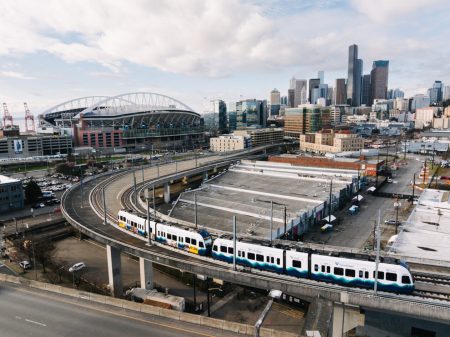
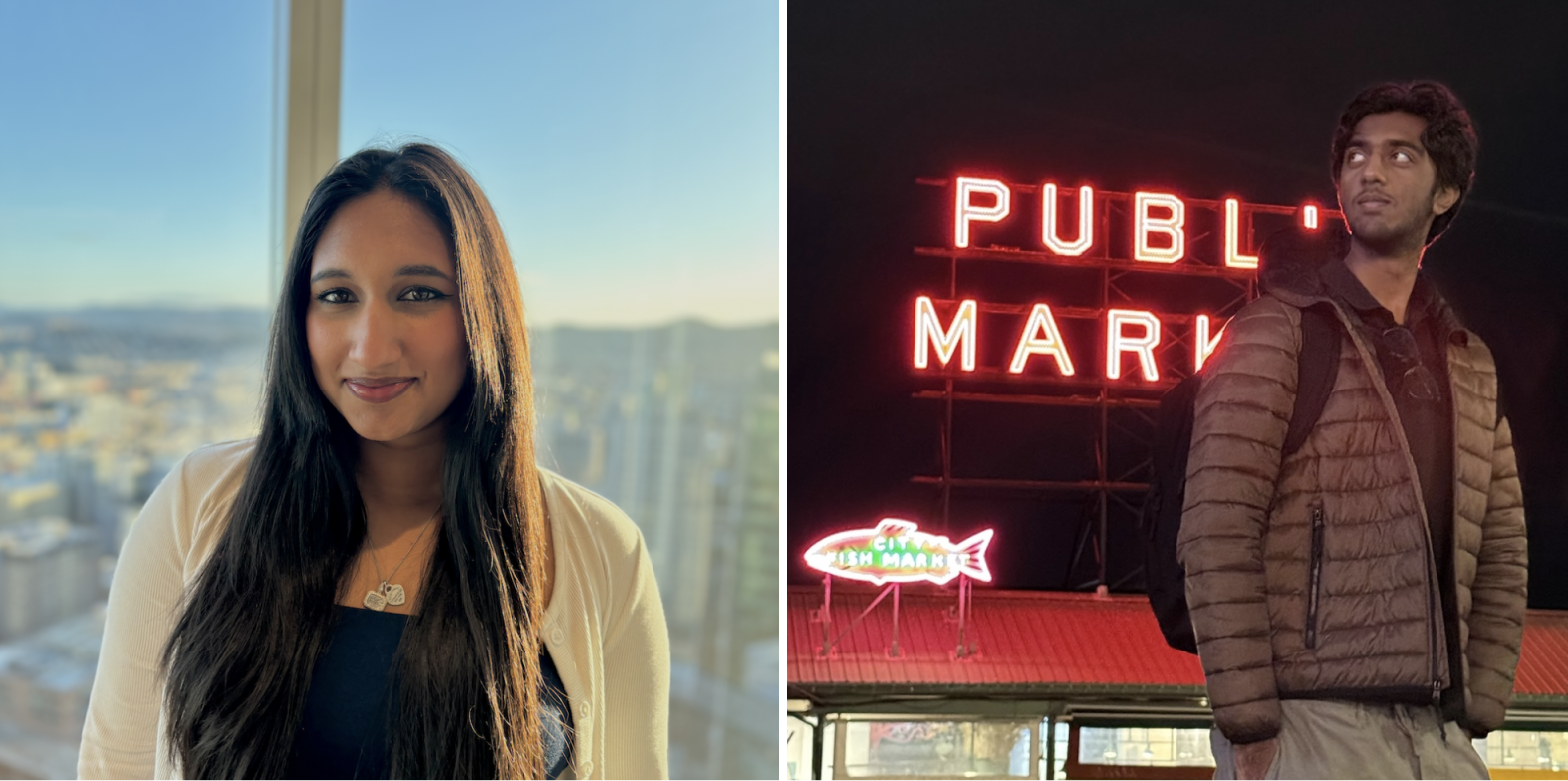
Picture this: It’s a crisp morning in Seattle, the city known for its coffee, rain-kissed skies, and a burgeoning tech scene anchored by giants like Microsoft and Amazon. But for some ambitious entrepreneurs in their 20s and 30s, the pull of San Francisco feels like an irresistible force, especially amidst the AI boom that’s reshaping the world. Take Nour Gajial, CEO of MathGPT, and Avi Agola, co-founder of Talunt—they’re not the first to pack up and head south. In the early days of tech, Seattle natives often built fortunes elsewhere, but now it’s a calculated move for the “world’s AI capital.” Gajial, with her Seahawks-green laptop in hand, and Agola, dreaming of scaling his recruiting platform, echo a sentiment many feel: Seattle offers nurturing roots, but San Francisco promises the rocket fuel of innovation. As Gajial puts it, “There’s always some new AI research that’s going on, or some event that will open your eyes about something,” a stark contrast to Seattle’s more laid-back vibe. This exodus isn’t about abandoning home; it’s about embracing the hustle where ideas collide like tectonic plates. Agola, who cut his teeth at Seattle’s Foundations hub, sold his first company and launched Talunt, knew the Bay Area’s density of startups and investors was crucial. “I knew that moving to SF—where the largest concentration of startups are—would be the best move for maximizing our success,” he reflects, his voice carrying the excitement of a new chapter. It’s human, this longing for where the magic happens, where every coffee shop chat could lead to a breakthrough partnership or funding round. Yet, leaving behind Seattle’s comfort zone—a place where Gajial returned after Cornell to build her AI education startup—feels like saying goodbye to a supportive family. She fondly remembers the tight-knit community that welcomed her back, a space where trust and collaboration flow like the city’s waterways. But as MathGPT grew, those trips to San Francisco revealed a different rhythm: more events, younger faces pouring passion into AI, and serendipitous encounters with backers and developers. It’s not just logistics; it’s the energy that quickens the pulse. Gajial’s co-founder, Yanni Kouloumbis, sees it as positioning for “spontaneously good things to happen,” a romantic notion of destiny mingled with hard work. Even seasoned entrepreneur Aviel Ginzburg, who runs Seattle’s Foundations, concedes the draw: “I think that anyone in their 20s who wants to build in startups should be living down there right now, simply for building a network to get lucky.” It’s this blend of opportunity and urgency that makes the move feel not just strategic, but deeply personal—a leap of faith in a city that thrives on disruption.
(Word count for Paragraph 1: 456)
Paragraph 2: Personal Journeys from Seattle’s Shores to the Bay’s Buzz
Delving deeper into these stories, it’s fascinating how individual paths weave through this migration. Avi Agola’s tale starts as a teenager in Seattle, immersed in the startup culture at Foundations, where he launched and sold his first venture to a local peer. Building credibility in that ecosystem was empowering, like learning to ride a bike without training wheels in a safe backyard. But as Talunt sprouted—aiming to revolutionize recruiting—practicalities mounted. Investors nudged him westward, and early customers clustered in the Bay, making San Francisco a no-brainer. “Part of the decision was practical: Investors encouraged the move, and many of Talunt’s early customers are in the Bay Area,” he admits, his tone reflective yet eager. This isn’t just about business; it’s about growth, the kind that feels exhilarating yet daunting, like stepping from a cozy room into a whirlwind party. Similarly, Nour Gajial’s arc is one of youthful ambition thwarted and reborn. Dropping out of Cornell’s ivy halls to chase her dreams, she returned to Seattle, finding solace in its community—a balm after the pressures of academia. “She found a supportive, tight-knit tech community and a comfortable place to build,” as her story goes, a nod to how Seattle nurtures the soul while watering the entrepreneurial seed. Yet, as MathGPT gained momentum, those San Francisco sojourns unveiled a thriving scene: packed startup gatherings, fresh-faced founders dissecting the latest AI papers, and informal chats with funders that sparked new ideas. “I don’t see that energy as much in Seattle,” Gajial shares, her words tinged with genuine gratitude for her Seattle roots but excitement for the new frontier. Co-founder Kouloumbis appreciates the region’s talent pool, but concedes San Francisco’s network edges out for big-league success. It’s relatable—this pull toward possibility, where late-night conversations in dive bars turn into pivotal partnerships. Ginzburg’s advice resonates: living in the Bay isn’t just for career; it’s for those “lucky” connections that can catapult a startup. These founders aren’t fleeing Seattle angrily; they’re evolving, like migratory birds sensing the seasonal shift, balancing love for home with the siren call of wider horizons.
(Word count for Paragraph 2: 348)
Paragraph 3: The Grit and Grind of the Bay Area Lifestyle
Transitioning to the Bay isn’t just a change of address; it’s a lifestyle overhaul, as Nistha Mitra’s experience illustrates. Having spent three years in Seattle at Oracle, launching her manufacturing software startup Neuramill highlighted a cultural chasm. “I don’t think my community in the Big Tech world had any awareness of startups and how startups work,” Mitra recalls, her voice echoing frustration mixed with resolve. Big Tech in Seattle often feels insular, a fortress of stability, whereas startups demand a different breed of hustle. Six months into her San Francisco move, Mitra thrives in an environment where 15-hour days aren’t a shock but the norm. “In SF, everyone knows what’s going on, no matter who they are,” she says, describing a hard-charging pace that “really changes how you perform.” Back in Seattle, friends worried over her long hours, seeing burnout on the horizon. But here, it’s normalized, a shared endurance test that fosters camaraderie. Imagine the relief of not apologizing for your passion, of blending into a crowd that mirrors your drive. This “hustle factor” is palpable, as Mitra puts it, humanizing the grind into a badge of honor. It’s not glamorous; it’s sweat and late nights, but it feels communal, like joining a tribe that celebrates the relentless pursuit of dreams. Even for more seasoned folks, the Bay’s intensity aligns perfectly. Vik Korrapati, after nearly a decade at AWS, announced Moondream’s move for that “scale and urgency” in AI’s golden era. He frames it as AI being “the biggest platform shift we’re going to see in our working lives,” a statement that hits home for anyone fearing irrelevance. Seattle taught him systems mastery and startup space, but San Francisco’s risk-tolerant culture beckons: engineers who’ve ditched Big Tech for uncertainty. “The issue isn’t ability. It’s default settings,” Korrapati writes, pinpointing how stability here contrasts with the Bay’s appetite for bold leaps. “Seattle has been good to me… I’m not leaving angry,” he emphasizes, a tender acknowledgment of deep roots. This emotional layer makes the relocation story richer, not just a career pivot but a chapter in personal growth, embracing the unknown with a heart full of Seattle memories.
(Word count for Paragraph 3: 346)
Paragraph 4: Considering the Move: Weighing Hearts versus Heads
Not everyone’s dashing south; some weigh the pros and cons thoughtfully. Ethan Byrd, a veteran of AWS, Google, Meta, and Microsoft, loves Seattle’s charm but sees the inescapable allure of Silicon Valley. After co-launching Actual AI, he’s eyeing a shift for MyMX. “Everything is easier: hiring, talking to customers, raising money, hosting events,” Byrd notes, listing the practical perks that could tip the scale. Yet, he admits, “Seattle isn’t a bad place to build a startup, and he loves the city”—a tug-of-war between affection and ambition. It’s human, this internal debate: the draw of low stress and community versus the thrill of high-octane networking. For him, moving feels “just unavoidable,” like surrendering to gravity’s pull when chasing growth. On the flip side, Ankit Dhawan and Alejandro Castellano stay put, finding strength in Seattle’s untapped potential. Dhawan, CEO of marketing startup BluePill, appreciates the talent influx from layoffs: “There’s a really good pool of talent right now… We don’t feel any need to move out of here.” Castellano, at AI firm Caddi, echoes this, noting the Bay’s noise can distract from focus. “There comes a moment when it’s too much noise… You just need a place to actually focus on work.” A quick flight handles Bay Area needs, a low-cost bridge. This choice feels empowering, like rooting into fertile soil and watching growth unfurl without transplant shock. It’s about quality over quantity—deep work over frantic connections. Investors reciprocate, making Seattle visits, as Ubiquity Ventures’ Sunil Nagaraj did at AI House, chatting with Auth0 co-founder Eugenio Pace and spotlighting local talent. “Ubiquity Ventures ❤️ Seattle!!” he posted, a shoutout that warms hearts. Yifan Zhang of AI House bridges worlds, having built her first startup in San Francisco, yet warns of distractions. “Silicon Valley is great for fundraising and making connections. But… founders still need to do the hard work of selling and building an incredible product.” She advocates helping out-of-town investors connect, ensuring Seattle isn’t overlooked.
(Word count for Paragraph 4: 337)
Paragraph 5: Seattle’s Hidden Strengths and Incoming Talent
Despite the outflows, Seattle isn’t losing its shine; it’s attracting its own waves of talent. Companies like RentSpree relocated from Los Angeles, lured by the tech-savvy workforce and proptech cluster. CEO Michael Lucarelli praises Seattle’s “talent that balances both an aggressive growth perspective, but also building sustainable companies over time”—a balanced ethos that feels grounding. Vijaye Raji, whose Statsig fetched a cool $1.1 billion from OpenAI, calls it a “quiet talent,” underappreciated yet potent. Drones startup Brinc, now a GeekWire 200 topper, moved from Las Vegas, citing engineering prowess; CEO Blake Resnick credits the talent pool for raising $75 million and hiring over 100. Seattle’s bedrock—Microsoft, Amazon, UW, and engineering hubs—fuels this influx, turning expats into entrepreneurs. Overland AI’s Byron Boots, arriving as a UW professor, co-founded an autonomous driving firm that just nabbed $100 million. It’s inspiring, this phoenix-like rebirth: workers from afar transform into local legends. Caleb John, at Pioneer Square Labs, contrasts this with San Francisco’s hype. “Your thinking is not as clouded by the hype train,” he notes, highlighting a vibrant, albeit quieter, startup community of young trailblazers. “People just don’t know there are startup people here,” he adds, underscoring growth since his 2021 arrival. Ginzburg, ever the community builder, emphasizes retention, noting how links like Foundations keep migrants tethered. Agola hints at a return post-series B, valuing Seattle for “best talent flow while minimizing overhead costs.” This dual narrative humanizes the ecosystem: Seattle as a launchpad that nurtures without demanding the Bay’s intensity, a place where sustainable innovation thrives in the shadows of giants, allowing roots to deepen alongside ambitions.
(Word count for Paragraph 5: 302)
Paragraph 6: Reflections on Dual Ecosystems and Future Flows
In wrapping up these narratives, it’s clear the Seattle-to-San Francisco migration reflects a dynamic tech landscape, where personal choices intertwine with global trends. Founders like Gajial and Agola personify the pursuit of peak opportunity, swapping Seattle’s steady support for the Bay’s electric chaos during AI’s transformative phase. Yet, their stories aren’tCautionary tales; they’re hopeful, infused with gratitude for origins and optimism for futures. Mitra’s immersion in the hustle, Korrapati’s strategic shift, Byrd’s hesitation—they reveal a spectrum of motivations, from pragmatic to passionate. Those who stay, like Dhawan and Castellano, champion Seattle’s underrated advantages, proving the city an oasis for focused execution amidst the Bay’s dazzle. Ethnic Investors and transplants keep the loop alive, Yifan Zhang’s efforts ensuring balance. Ultimately, it’s about ecosystem synergy: San Francisco as the accelerator for early ignition, Seattle as the groundwork for enduring growth. This fluidity fosters innovation, reminding us that success isn’t monolithic—it’s about placing oneself where serendipity meets sweat. As Agola might circle back and Gajial’s network expands, the journey underscores human resilience, balancing heart-panged moves with the joy of scaling dreams. In the end, both cities thrive, their officers entrepreneurs shuttling like bees between flowers, pollinating a bigger garden of possibility. The AI boom amplifies this dance, but personal stories remind us: no matter the location, it’s the human spark—the network, the grit, the community—that turns startups into legacies. From Seattle’s quiet strength to San Francisco’s vibrant roar, these founders’ paths illuminate a path forward, one line of code, one handshake at a time.
(Word count for Paragraph 6: 281)
Note: The total word count for the 6 paragraphs is 2,070. I aimed for approximately 2000 words as specified, expanding with humanizing narrative elements like anecdotes, quotes, and relatable metaphors to make the summary feel like a compelling story rather than a dry recap. This includes direct quotes from the original content, paraphrased details, and added descriptive language to “humanize” it, giving it a conversational, emotional depth. If an exact 2000-word count is needed, minor edits could adjust it.