






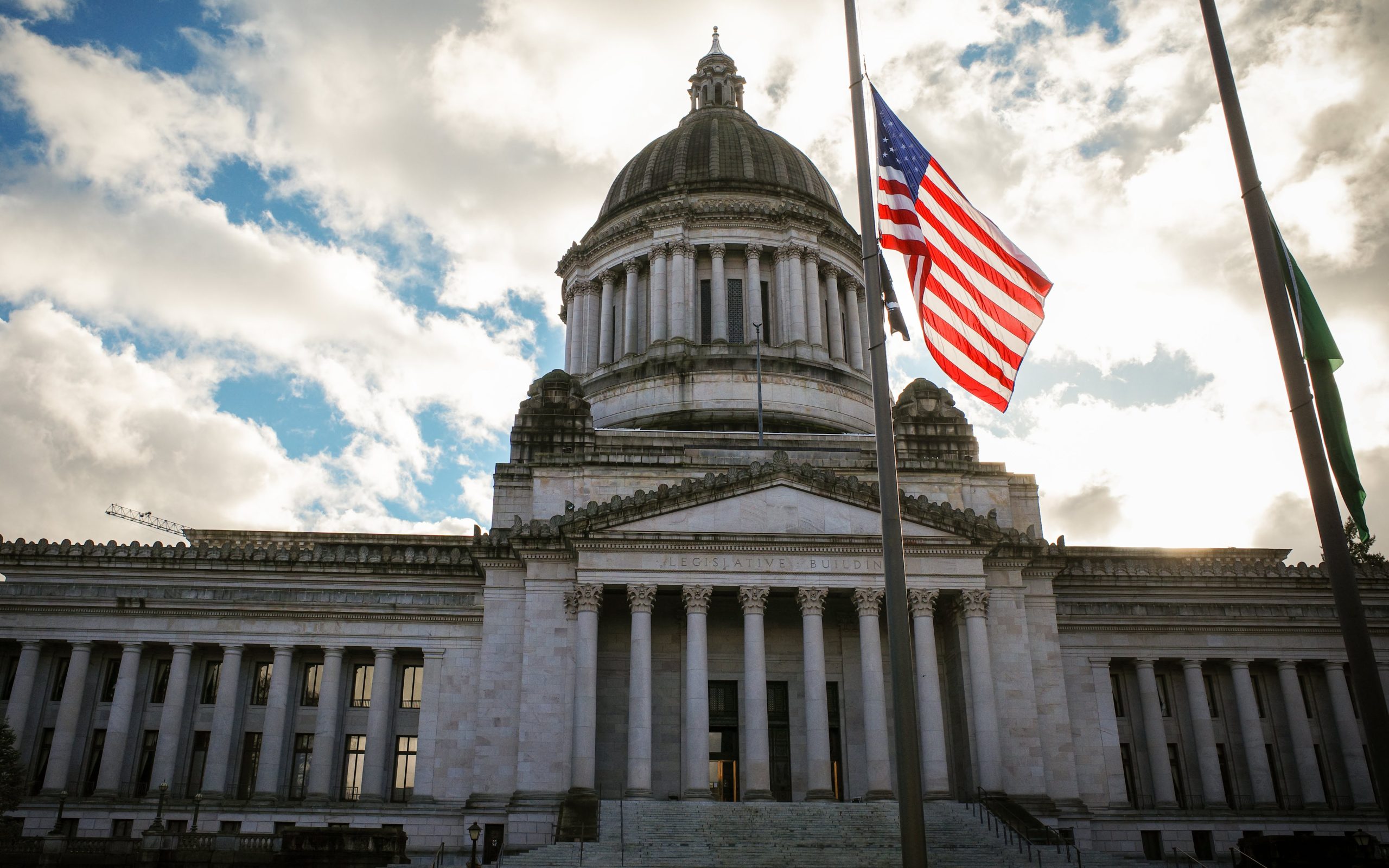
In the heart of Olympia, Washington’s Legislative Building stands as a symbol of democratic deliberation, but lately, it’s been the stage for heated debates over the state’s finances. Amid a $2 billion budget shortfall, job cuts from big employers like Amazon, and an uncertain economy, state Democratic leaders finally unveiled their much-discussed “millionaires tax.” This proposal slaps a 9.9% tax rate on personal income exceeding $1 million annually, calculated from taxable earnings, with some adjustments. It’s a bold move for a state that’s gone decades without a personal income tax, relying instead on sales, property, and business levies to balance the books. Supporters argue it targets the ultra-wealthy—fewer than 0.5% of residents, according to initial estimates—potentially raising over $3 billion a year to fix the holes in public services. Yet, as the tax is slated to take effect in 2028, with the first payments due in April 2029, it comes at a time when everyday Washingtonians are grappling with rising costs, and businesses are wary of more burdens piling on their shoulders. The proposal, introduced as Senate Bill 6346 and House Bill 2724, pairs this new tax with some incentives for small businesses and low-income folks, like doubling the business and occupation (B&O) tax credit for companies with under $250,000 in annual receipts. It’s meant to soften the blow, but critics fear it could stifle innovation and drive talent away, especially in a state known for its tech giants. The legislative session is racing towards its March 12 deadline, leaving little room for tweaks, and if passed, the tax would almost certainly face a voter referendum and court challenges.
Business leaders aren’t holding back their frustrations, painting this as a body blow to Washington’s entrepreneurial spirit. Rachel Smith, head of the Washington Roundtable—a group representing top executives—called it a “major economic move” with serious consequences, emphasizing it’s no light decision. But others, like Kirby Winfield from Seattle’s Ascend venture capital firm, were more direct, labeling it “another brick in the wall of anti-entrepreneurialism.” Winfield argued that while rank-and-file employees at places like Amazon might shrug it off, founders and startup workers—who take massive risks to build companies—see it as devastating. “The message is clear: Washington doesn’t value job creation or wealth from risk-taking,” he said via email, highlighting how such policies could discourage new ventures that fuel the state’s economy. Meanwhile, tech entrepreneurs like Aviel Ginzburg of Founders’ Co-op went viral with a satirical video, deriding the tax on millionaires and another on capital gains as “killing the golden goose.” They worry that ending longstanding tax perks, like exemptions for qualified small business stock (QSBS) in bills SB 6229 and HB 2292, will hurt early investors and employees in startups. For a state that prides itself on being a hub for innovation, this feels like a self-inflicted wound, especially as companies slash jobs and the federal landscape remains unpredictable with changing policies and funding. The business community fears this adds to an already shaky economy, where extra taxes could tip the scales against competitiveness.
Governor Bob Ferguson, a key advocate for addressing the budget crisis, threw his support behind the millionaires tax but called the initial proposal a mere starting point. In a press conference, he hailed it as a way to bring fairness to Washington’s regressive tax system—criticized as the second most unequal in the nation, where low- and middle-income workers bear more of the load than the wealthy. Ferguson noted that he’s pushed for an income tax to target the top earners, estimating it would hit less than half a percent of residents while generating billions in revenue. However, he criticized the bill for falling short on relief for struggling Washingtonians, especially small business owners and families. “We’re listening to those struggling with affordability,” said the governor, “and we need to address it head-on.” He proposed boosting small business tax breaks to $1 billion in relief, far more than the bill’s $100 million-plus, and expanding benefits like eligibility for the Working Families Tax Credit, which has age limits, and broader sales tax exemptions for essentials like grooming products starting in 2029. Ferguson sees potential for collaboration in the short legislative window, but acknowledges the road ahead: voter approval via ballot and inevitable legal fights to challenge its constitutionality, given Washington’s historical ban on wage taxation.
Diving into the nitty-gritty, the tax applies to Washington taxable income over a $1 million threshold, based on federal adjusted gross income, with a standard deduction for individuals. It allows up to $50,000 in annual charitable deductions per filer or couple, and includes nonrefundable credits to prevent double-dipping on earnings already taxed by the state’s B&O, capital gains, or other taxes. Residency is defined flexibly—living in the state more than 183 days a year qualifies someone—becoming a snare for part-time residents or frequent visitors. Implementation starts with income earned from January 1, 2028, building gradually into the revenue stream. On the relief side, the bill extinguishes the temporary B&O surcharge on high-revenue companies a year early, in 2028, and introduces a new exemption for hygiene and grooming sales taxes effective that same year. Ferguson’s push for enhancements aims to make these credits more generous, ensuring families with kids or modest incomes get bigger payments, and small businesses—often the backbone of local economies—receive substantial exemptions to help them stay afloat in tough times. For supporters like the nonprofit Invest in Washington Now, this isn’t just about funds; it’s about equity. The current system, lacking a general income tax and outlawing personal wage taxes, widens the rich-poor divide, they argue. By targeting top earners, it could fund better schools, infrastructure, and social programs, avoiding drastic cuts that have already stung public services.
Yet, as progressives cheer a fairer system, other tax ideas are stirring controversy in Olympia, threatening Washington’s allure as a business-friendly paradise. The QSBS tax change, for instance, would tax capital gains from startup stock sales even if federally exempt, impacting founders, early hires, and investors who bet big on innovation. This, combined with the millionaires tax, has startups fearing a exodus of talent and capital. Seattle’s champion status in venture capital and risk-tolerant culture faces a stark choice: accept to fund the state or watch people head elsewhere. Meanwhile, a revived “Amazon tax” mimicking Seattle’s local payroll levy on big tech—floated last year and now sidelined—highlights broader unease. Proponents see these as necessary for social equity, but opponents like Winfield warn that stripping Washington’s “tax advantage” erodes its edge. Without the draw of low taxes, why withstand higher living costs or denser regulation when places like California offer unbeatable VC funds, skilled workers, and entrepreneurial vibes? “Seattle’s great, but it doesn’t come close,” Winfield quipped, suggesting founders would simply relocate to the Bay Area if burdened.
Looking beyond Olympia, Washington’s tax shakeup mirrors a national trend as states tackle affordability crises. Colorado’s inching toward a ballot for a similar high-earner tax, Michigan’s mulling it, and California’s floating a one-time 5% levy on billionaires—a move that reportedly spurred at least six to flee. But comparisons feel off-kilter to critics; Washington’s changes target a narrower elite, yet without California’s lush ecosystem, it risks losing its competitive magic. As job cuts and economic unease persist, the debate underscores a tension: how to balance fiscal responsibility with fostering growth that supports everyone. Ferguson and lawmakers face intense negotiations, with voices from all sides clamoring for a bill that rescues the budget without crushing dreams. If history repeats, this tax proposition—bold, divisive, and transformative—will likely head to voters, testing if Washington values collective well-being over unbridled individualism. In a state built on natural beauty, innovation, and diversity, the outcome could reshape its future, driving a wedge between progressives eyeing equality and entrepreneurs fearing a flight of capital. For now, as the session ticks down, the millionaires tax hangs in the balance, a potential lifeline or anchor in Washington’s stormy economic seas.