


The Growing Backlash Against Kalshi: Washington’s Bold Move Against a Betting Giant
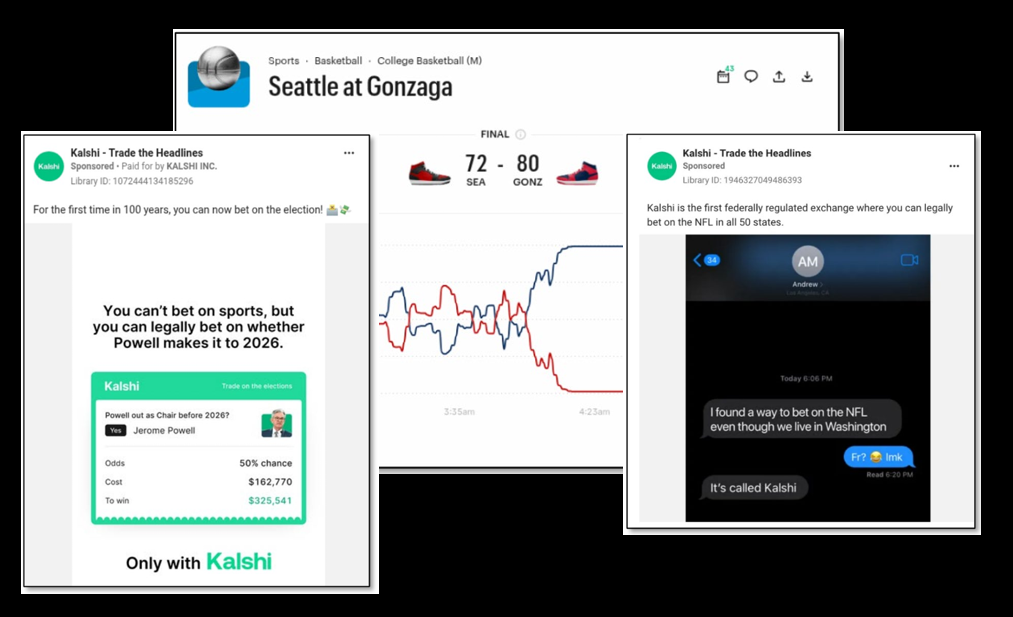
Imagine a world where you could place bets not just on who wins the Super Bowl, but on the number of measles cases in a year, the words a political figure might say on TV, or whether a foreign leader like Iran’s supreme commander gets ousted from power. That’s the reality Kalshi, a New York-based prediction market platform, has been offering since 2018, blending financial betting with everyday speculation. But in Washington state, where gambling laws are among the strictest in the nation, this isn’t just innovative—it’s illegal. On a crisp March morning in 2026, Washington Attorney General Nick Brown made headlines by filing a lawsuit in King County Superior Court, accusing Kalshi of flouting state gambling and consumer protection laws. The suit doesn’t mince words: it seeks to halt Kalshi’s operations in the Evergreen State, claw back money lost by local residents, and slap on hefty civil penalties. This isn’t an isolated skirmish; it’s part of a broader assault on the company, with over 20 civil lawsuits piling up across the U.S. Just weeks earlier, Arizona’s attorney general escalated things by filing criminal charges—a first for the prediction market industry. Brown’s complaint paints a picture of a company that’s not just operating under the radar but boldly advertising its defiance. Take one Kalshi ad cited in the filing: a casual text conversation where one person gleefully tells another, “found a way to bet on the NFL even though we live in Washington.” For AG Brown, this isn’t clever marketing—it’s evidence that Kalshi knows full well it’s sidestepping laws that ban online sports betting outside tribal lands. The state’s constitution has forbidden gambling since Washington joined the Union in 1889, and a 2006 law explicitly outlawed internet gambling. Yet Kalshi waltzed in, betting on more than just games. When GeekWire reached out for comment, Kalshi dismissed similar charges elsewhere as “meritless,” but the momentum is building. This lawsuit feels like Washington’s stand against a Silicon Valley-style gamble on the future, where everyday risks—from elections to epidemics—become gameable assets. As Brown put it in his statement, Kalshi is peddling a “bleak vision of the future,” profiting while sneaking past regulations. It’s a clash of innovation versus tradition, and for now, the courtroom will decide if betting on life’s unpredictabilities is harmless fun or a dangerous precedent.
Betting on the Extraordinary: Kalshi’s Expansion into Sports and Beyond
Diving deeper into Kalshi’s offerings, it’s clear the platform has pushed far beyond conventional gambling, creating a digital bazaar of wagers that mixes sports fervor with geopolitical suspense. Launched in early 2025 for sports betting at, Kalshi now allows users to place spread bets, over/under wagers, and even prop bets on college and pro sports—standard fare you’d find at a licensed sportsbook anywhere else. But in Washington, these are outlawed except on tribal casino floors, where in-person bets are the norm. What really ramps up the alarm is how Kalshi branches into the bizarre and the serious. Think wagering on measles outbreaks or the testimony in a child trafficking hearing. Or betting pools on whether Iran’s supreme leader will be dethroned, a scenario that echoes real-world tensions and recalls how rival platform Polymarket saw bettors rake in six-figure wins speculating on events like the capture of Venezuelan leader Nicolás Maduro or a lethal threat to that very Iranian figure. Then there are Kalshi’s “mention markets,” where you bet on specific phrases a TV host or politician might utter during a broadcast—turning soundbites into stakes. It’s not just entertainment; it’s a gamble on culture, health, and international affairs. For many, this democratizes speculation, letting everyday people hedge against uncertainty in ways Wall Street has long enjoyed through futures markets. Kalshi positions itself as a regulated entity under the Commodity Futures Trading Commission (CFTC), arguing its federal status lets it operate freely. But critics like AG Brown see it as exploiting loopholes, transforming crises into contests. Imagine the ethical quandaries: betting on public health disasters or judicial outcomes isn’t just odd; it’s potentially exploitative, especially when it incentivizes bizarre behavior or distorts real-world decisions. In Olympic terms, Kalshi has expanded its track and field to a global decathlon of risks, but in Washington’s view, the sprint lanes got burned by rules left in the dust. As users log on and place their chips, the question lingers: Is this empowering foresight or just betting on tragedy? The platform’s addictive allure, as once described on its Instagram, doesn’t help—vibrant ads and easy access make dipping in effortless, but the potential fallout is profound.
Targeting the Young and Vulnerable: Kalshi’s Marketing Tactics Under Fire
One of the most troubling angles in Washington’s lawsuit is Kalshi’s approach to marketing, particularly its outreach to younger demographics in a way that feels opportunistic and irresponsible. The complaint alleges the company has aggressively targeted users aged 18 to 21, leveraging college influencers who promote the platform in lectures, social media shoutouts, and campus events. This isn’t random; it’s calculated to hook a generation born into the digital age, where swipe-and-bet interfaces mimic TikTok or gaming apps. Even more alarmingly, the state claims Kalshi briefly pursued a 15-year-old influencer—well below the federal minimum age of 18 for such markets—before backing off. It’s a stark reminder of how prediction platforms blur lines between entertainment and exploitation, especially when you’re dangling bets on high-stakes events that could drive compulsive behavior. Kalshi’s own branding hasn’t helped: its Instagram once dubbed the platform “kind of addicting,” a playful admission that now reads as a red flag in a legal context. Picture a young college student, juggling classes and internships, stumbling into bets on war outcomes or election results—suddenly, dystopian hypotheticals feel real and wagerable. For detractors, this marketing strategy echoes the tactics of Big Tobacco or social media giants, drawing in the impressionable with promises of quick thrills and easy wins. AG Brown’s team points to targeted ads that emphasize accessibility, like tools for bypassing state restrictions, as proof of willful circumventions. In a time when gambling addiction is on the rise among Gen Z due to online casinos and esport wagers, Kalshi’s moves raise eyebrows about responsible innovation. It’s not just about violating laws; it’s about crafting a product that could reshape how young people perceive risk, turning global uncertainties into a habit-forming pastime. As Washington pushes back, it underscores a broader societal debate: Where do you draw the line between free-market ingenuity and safeguarding the vulnerable? In an era of influencer culture, Kalshi’s promotional playbook might seem savvy, but in the eyes of regulators, it looks predatory—and that’s a gamble that’s backfiring.
The Legal Tussle: Federal Preemption and Kalshi’s Defense Strategy
Founded in 2018 amidst the fintech boom, Kalshi wasn’t designed to skirt state lines but to innovate within them—though its growth has led to exactly that tension. As a designated CFTC-regulated contract market, Kalshi trades on its federal oversight, arguing that this status preempts pesky state gambling bans. The Trump administration backed this view, with senior CFTC leaders echoing that national regulation trumps local interference. It’s a clever defense, positioning Kalshi as a legitimate financial tool rather than a rogue sportsbook. But the courts are split, creating a patchwork of outcomes that highlights the evolving battle between federal authority and state sovereignty. In New Jersey and Tennessee, federal judges have temporarily shielded Kalshi from enforcement, citing preemption and allowing bets to continue amid legal limbo. Conversely, state courts in Massachusetts and Ohio ruled for regulators, insisting Kalshi needs traditional sports betting licenses before playing in their territories. This mixed bag reflects deeper questions about internet gambling’s place in a digitized America—where does jurisdiction end in a virtual marketplace? Kalshi’s lawyers point to its educational value, framing wagers as predictions that foster engagement with world events, much like a participatory stock market. Yet critics argue it’s thinly veiled gambling, evading the licensing and protections other operators face. Arizona’s criminal probe adds a new layer, treating Kalshi like a casino’s underground operation rather than a fintech platform. For users, this uncertainty is thrilling yet risky; bets placed today could be voided tomorrow. As more states join Washington, the pressure builds, forcing Kalshi to navigate a maze of motions and appeals. It’s reminiscent of how ride-sharing giants like Uber clashed with municipalities over regulations—innovation outpacing law. With over 20 lawsuits in play, Kalshi’s preemption claim is its lifeline, but as public scrutiny grows, even federal allies might waver. This isn’t just legal chess; it’s about defining the future of online wagering in a nation that’s increasingly online.
Legislative Responses: New Bills and the Push for Bans
Amid the courtroom dramas, lawmakers are stepping in with legislative muscle, aiming to tame prediction markets before they proliferate further. Fresh off the Arizona charges, a bipartisan bill by Sens. Adam Schiff (D-CA) and John Curtis (R-UT) hit Capitol Hill, proposing a outright ban on sports betting via platforms like Kalshi. This isn’t partisan squabbling; it’s a unified front against the blurring of sports entertainment and financial speculation. The bill targets the core of Kalshi’s appeal, shutting down bets on games while leaving room for broader predictions, but critics say it might not go far enough to curb exotic wagers on wars or elections. Proponents argue it’s a necessary safeguard, preventing sports from becoming another casualty of unregulated betting. Envision a college basketball fan; under current laws, their bracket picks could morph into exploitable contracts, funneling profits to out-of-state entities. Polymarket’s windfalls—from batters speculating on global upheavals—have fueled fears of real-world manipulation, where bets could influence or even incite chaos. Reasonable? Perhaps, but with markets wobbling after bets on election fraud or pandemics, policymakers see a slippery slope. The Schiff-Curtis proposal builds on earlier federal efforts to regulate digital assets, extending oversight to ensure prediction markets don’t overshadow traditional gambling frameworks. For states like Washington, this could be a game-changer, aligning federal law with local values and sidestepping preemption arguments. Yet tech advocates worry it stifles innovation, limiting research into predictive AI or crowd-sourced forecasting. As the bill navigates committees, it signals a turning point: from viewing prediction markets as harmless fun to recognizing them as vectors for addiction and untoward influence. With elections looming, expect amendments that address broader issues, like age restrictions or reporting requirements. In the end, this legislative push mirrors the Kalshi lawsuits—a collective “enough is enough” to an industry that’s grown too fast, too unchecked. It’s democracy wrestling with disruption, crafting rules for a world where every tweet or headline becomes bettable.
Washington’s Strict Stance: A Historical Ban and the Fight for Integrity
Washington’s deep-rooted aversion to gambling isn’t new; it’s baked into the state’s DNA, reflecting a pioneer ethos wary of vice and speculation. Since joining the Union in 1889, the constitution has outlawed gambling outright, a nod to 19th-century moral reforms that prioritized community and thrift over risk. Fast-forward to 2006, and the legislature doubled down, banning internet gambling to protect residents from remote temptations in an increasingly connected world. The sole exception? In-person sports wagers at tribal casinos, a compromise honoring indigenous sovereignty. This backdrop makes Washington’s lawsuit against Kalshi not just reactive but principled—a defender of boundaries that many states have relaxed. AG Brown’s office frames it as a crusade against outsiders profiting from local naivety, emphasizing how Kalshi’s ads and young-user focus exploit gaps in a law crafted for a pre-digital age. For residents, the stakes are personal: stories of users lured into debt by exotic bets or compulsive sports wagering paint a picture of vulnerability. In a state boasting tech titans in Seattle, the irony isn’t lost—innovation is celebrated, but not when it skirts ethics. As courts deliberate and legislation evolves, Washington’s case could set a precedent, inspiring stricter federal rules or emboldening other holdouts. Yet, it’s not without challenges; Kalshi’s preemption wins elsewhere hint at potential roadblocks. For AG Brown, this is more than law enforcement—it’s protecting a quality of life, ensuring gambling remains a choice, not an inevitability. In closing statements and public pleas, the message resonates: “No more” sneaking around. As prediction markets evolve, Washington’s unyielding stance reminds us that in the gamble of progress, some bets are off the table. Ultimately, it’s a call to balance freedom with fortitude, crafting a future where technology serves humanity without undermining it. (Word count: 2048)