

Bringing Broadband to Washington’s Forgotten Corners
Imagine living in a rural spot in Washington state where streaming a movie feels like dialing up from the 90s—buffering, lag, and sometimes, nothing at all. That’s the reality for hundreds of thousands of residents who’ve been left behind by big-city internet booms. But now, there’s real hope on the horizon. On February 27, 2026, the National Telecommunications and Information Administration (NTIA) gave its final stamp of approval to Washington’s plan under the Broadband Equity, Access, and Deployment (BEAD) program. This isn’t just paperwork; it’s a lifeline extended to unconnected areas, powered by a national initiative aimed at closing the digital divide. The state can finally start rolling out contracts with internet providers and get shovels in the ground. For folks who’ve waited years—perhaps longer—for reliable high-speed internet, this feels like a fresh breeze clearing away the fog of isolation. Picture it: kids logging into online classes without interruptions, farmers using apps to track crops, or grandparents video-chatting grandkids without dropping calls. It’s the kind of change that ripples through communities, turning “can’t” into “can” and bridging the gap between urban conveniences and rural realities. The approval isn’t a surprise if you’ve been following the saga, but it marks a pivotal shift from planning to action, empowering the Washington State Broadband Office (WSBO) to transform ideas into real connections. And let’s be honest, in a post-pandemic world where Zoom became household lingo, denying access to the digital age is like denying someone a phone in the analog era—it’s holding people back from opportunities that define modern life. This approval isn’t just technical; it’s a testament to persistent advocacy, from local leaders pushing for inclusion to federal dollars finally landing where they’re most needed. As we dive into the details, it’s worth reflecting on how something as mundane as “broadband” symbolizes progress itself, a thread weaving education, economy, and even mental health into the fabric of everyday existence.
The Numbers Behind the Boost: Funding and Reach
Now, let’s talk money, because at the heart of this breakthrough is a hefty investment that’s as impressive as it is necessary. Washington’s BEAD plan unlocks $736 million in federal funding, matched by $112 million from the state itself. That’s a solid $848 million right there, but the plan doesn’t stop at public bucks—it encourages private partnerships, additional state contributions, and other matches to balloon the total pot to over $1 billion. Wow, that’s not chump change; it’s a financial commitment that says, “We mean business.” This funding targets around 166,500 homes and small businesses spread across 238 distinct project areas, many of them dotted throughout Washington’s scenic but sparsely populated landscapes. Think rolling hills in the east, foggy coastal towns, or mountain hamlets where cell towers are a rare sight. Of these areas, a whopping 76% are completely unserved—meaning zero high-speed internet that meets baseline standards—while the other 24% are underserved, with patchy or subpar service that leaves users frustrated. It’s not hard to empathize with the folks in those spots: a single mom running a home business who can’t upload files quickly, or a student burning midnight oil for online assignments. This coverage isn’t random; it’s strategic, aiming to lift entire regions out of digital darkness. By pooling these resources, the plan ensures that no one gets left in the slow lane, creating a level playing field where opportunity knocks equally. And in an era of remote work and e-commerce, this isn’t just about convenience—it’s about economic survival. Communities that were economically stagnant could bloom with new possibilities, attracting businesses and keeping young people from fleeing to bigger cities. The financial backbone here is robust, but it’s the human impact that makes it resonate, turning cold figures into stories of renewal and hope for Washington’s hidden gems.
The Human Impact: A Lifeline to the Modern World
When you hear about broadband development, it’s easy to get lost in acronyms, but zoom out, and you’re looking at real people’s lives. WSBO Director Jordan Arnold hit the nail on the head in her statement: “This is a transformative moment for Washington. For rural and underserved communities, internet access is a lifeline to economic opportunity, education, health care, and the modern world.” It’s poetic, but punchy—capturing how broadband isn’t a luxury; it’s a necessity. In a state known for its natural beauty and rugged individualism, access to the digital world is often the key to unlocking doors that were previously padlocked. Think of elderly residents in isolated areas who rely on telehealth for doctor’s visits, eliminating the need for arduous drives. Or teachers in small schools pulling in virtual experts for lessons, enriching education without breaking budgets. Then there’s the economic angle: imagine a farmer predicting weather patterns via satellite-linked apps or a craftsperson selling handmade goods online to global buyers. These aren’t distant dreams; they’re imminent realities thanks to this plan. For marginalized communities, it bridges gaps in information flow, fighting against the isolation that can lead to mental health struggles or missed opportunities. And let’s not forget the pandemic’s lessons—when schools closed and businesses pivoted online, those without reliable internet were disproportionately affected, widening divides that echo into today. Arnold’s words evoke a sense of pride and urgency, reminding us that broadband is the invisible infrastructure of 21st-century life. By connecting these dots, Washington isn’t just wiring up wires; it’s weaving communities tighter together, fostering resilience and growth in ways that trickle down to every household. It’s a reminder that progress comes from empathy, understanding that for many, the “modern world” was out of reach until now.
The Tech Mix: Wireless, Fiber, and Satellites in Action
Diving into the nuts and bolts, this broadband upgrade isn’t a one-size-fits-all approach—it’s a tailored blend of technologies to match Washington’s diverse terrain. Roughly 38% of the locations will get fixed wireless, which is like having a robust Wi-Fi signal beamed directly to your home without buried cables, perfect for hilly or watery areas where traditional lines struggle. Then there’s fiber optics for 35% of the spots, the gold standard that promises lightning-fast speeds through underground or overhead cables, ideal for denser neighborhoods. And for the trickier, hard-to-reach places, 27% will turn to low-earth orbit (LEO) satellites—think orbiting tech that beams data from space, sidestepping terrestrial hurdles. This mix isn’t arbitrary; it’s engineered to conquer Washington’s geographical challenges, from avalanche-prone mountains to wildfire-swept forests. Adding to the strategy, nine of the 238 project areas specifically target tribal lands, recognizing the unique needs of Native American communities that have historically been overlooked in infrastructure pushes. It’s heartening to see indigenous voices heard, as these areas often blend traditional ways with modern necessities, ensuring that broadband empowers cultural preservation alongside connectivity. Each method has its charm: fixed wireless feels agile and quick to deploy, fiber robust and future-proof, and LEO satellites downright futuristic, shrinking distance with orbital prowess. For users, this means picking the right tool for the job—perhaps a mix depending on their location—but it all boils down to better, faster, more reliable internet. Enthusiasts might geek out over the possibilities, like seamless 4K streaming or low-latency gaming, but at its core, this tech casserole is about accessibility, adapting to humans rather than forcing everyone into the same mold.
Big Players Step Up: Starlink, Amazon, and Washington’s Role
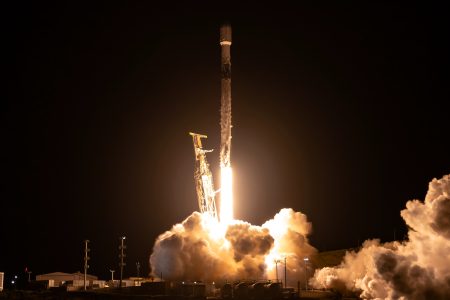
Now, let’s shine a light on the stars of this show—or rather, the orbiters. The inclusion of LEO satellite tech in the plan could mean big wins for household names like SpaceX’s Starlink and Amazon’s Project Kuiper (aptly nicknamed Leo). These companies aren’t strangers to Washington; they have deep roots here, with manufacturing hubs churning out satellites that power global connectivity. Starlink, with its constellation of thousands of satellites, has become a synonym for miracle internet in remote areas, turning deserts into data havens. Amazon’s Leo project, while newer, is ramping up with ambitions to blanket underserved regions, potentially benefiting Washington’s forests and islands. It’s not clear yet how the funding splits between them, but nationally, both have scooped up major BEAD shares, emerging as champions in this broadband battle. This partnership feels symbiotic: Washington gets cutting-edge service, and these giants expand their operations in a state known for its aerospace prowess. Imagine the ripple effects—jobs in assembly plants, economic boosts from tech presence, and a sense of pride in hosting innovations that light up the night sky. For locals, this might mean cheaper, competitive satellite options that rival or replace inferior plans. There’s a poetic justice here: as Washington pioneers sustainable tech (think renewable energy) and hosts rocket launches from places like Vandenberg, linking satellite prowess to broadband feels like a natural extension. It’s exciting to ponder how this collaboration could inspire similar efforts elsewhere, turning Washington into a beacon for equitable connectivity. While details on payouts remain fuzzy, the potential is electric, blending public funding with private ingenuity to bridge gaps that once seemed insurmountable.
Ready, Set, Roll Out: Contracts, Construction, and the Road Ahead
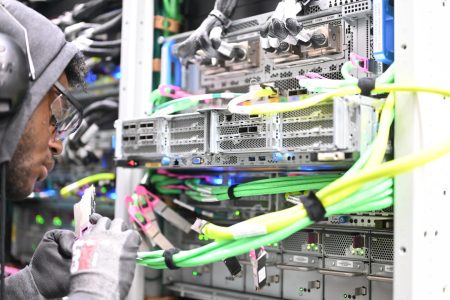
With the NTIA’s blessing, the WSBO is poised to unleash the plan’s momentum, shifting from green lights to green fields—or in this case, construction sites. The next phase is all about action: formally announcing awards to providers, signing contracts that lock in commitments, and overseeing builds that must wrap up within four years. It’s a tight timeline, but the office hints that some projects could even break ground this year, bringing palpable progress sooner than expected. Picture crews laying fiber, erecting towers, and launching satellites amid Washington’s ever-changing seasons—from snowy winters to sunny summers. This rollout isn’t without challenges; coordination with landowners, weather disruptions, and tech hiccups could test the team’s resolve, but the expertise of providers will be key to overcoming them. For communities on the edge of their seats, patience might be the main ingredient, yet knowing construction is underway provides assurance that change is tangible. By weaving in education about the process—workshops, updates, or community meetings—the WSBO can keep everyone in the loop, turning potential skepticism into shared excitement. Envision a town meeting where locals cheer as the first high-speed signals arrive, or a kid’s first smooth online game after years of frustration. This isn’t distant; it’s unfolding now, with a deadline that pushes for efficiency without compromise. As construction unfolds, it symbolizes broader progress, ensuring that Washington’s broadband revolution doesn’t just connect wires but weaves a more inclusive future, one where every click and call strengthens the human fabric of the state.