





The Spark of Innovation in a Dairy Heartland
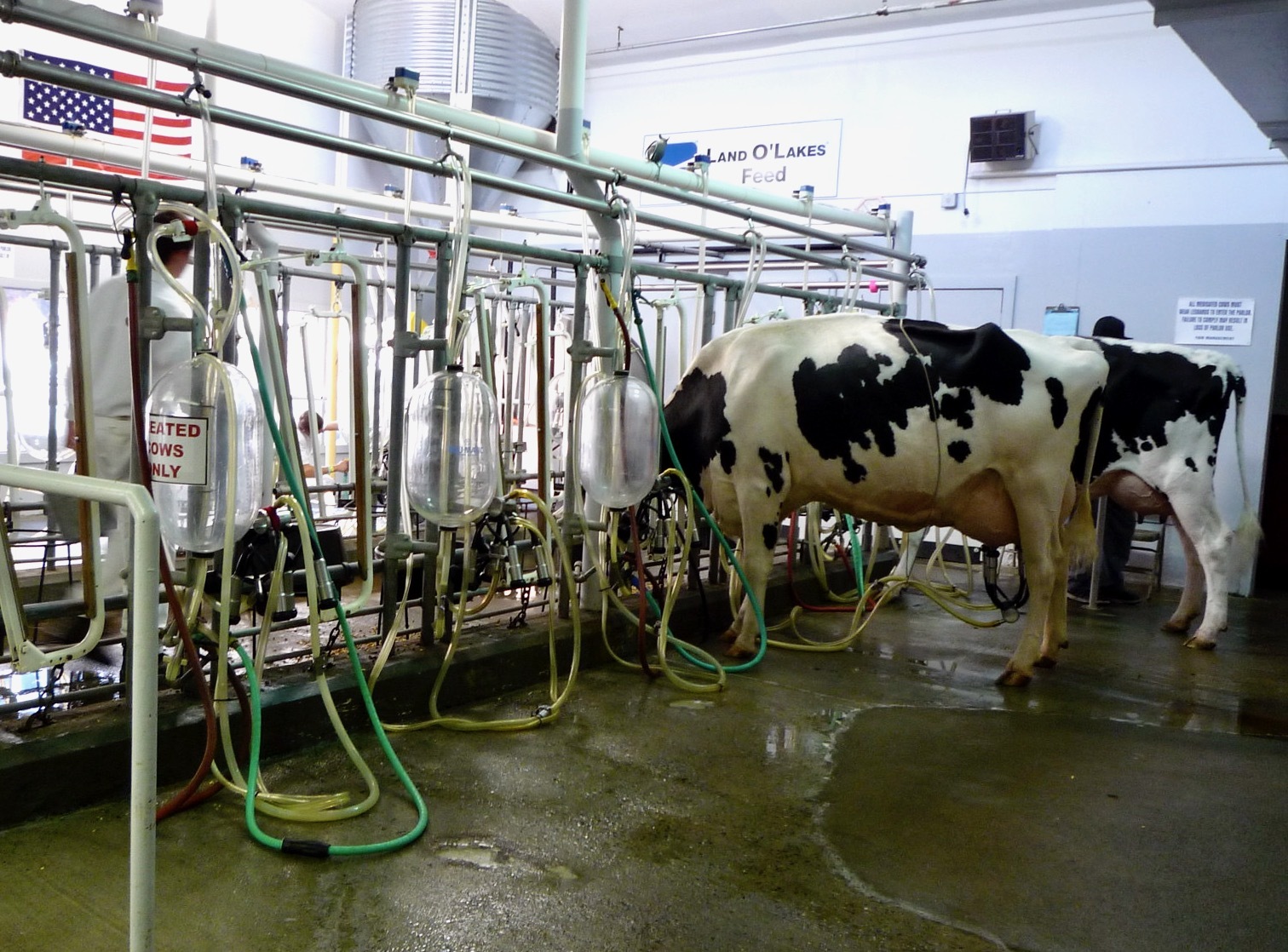
Imagine strolling through the bustling grounds of the Puyallup Fair, now rebranded as the Washington State Fair, where the air carries the earthy scent of freshly mowed hay and the lowing of dairy cows echoes like a symphony from a bygone era. These aren’t just any cows—they’re the stars of an agricultural showcase that symbolizes the backbone of American farming, a world where hard work, fresh produce, and a deep connection to the land define community pride. It’s in this spirit of resilience and ingenuity that we meet Sedron Technologies, a Washington-based startup with roots in Seattle’s north, in a rural town called Sedro Woolley. Founded as a spin-off from Janicki Industries—a stalwart in aerospace engineering—the company emerged from the humble dreams of innovators who saw potential in the muck many others dismissed. Their story began in 2014, when they built upon earlier research funded by what was then the Bill & Melinda Gates Foundation. Picture it: a viral video from 2011 shows Bill Gates himself, in a bold act of science diplomacy, taking a sip of water purified from sewage, proving that clean water could come from the unlikeliest sources. This wasn’t just a stunt; it was a beacon for developing countries plagued by untreated waste spreading disease, where pathogens lurked like invisible villains in every drop.
Sedron’s journey from viral sensation to environmental powerhouse is marked by unwavering commitment to turning problems into solutions. Geoff Trukenbrod, the interim CEO, speaks with the enthusiasm of someone who believes in a brighter future. When asked about the recent acquisition by Ara Partners, a global equity firm, he explains it simply yet profoundly: “The Ara investment is largely designed to provide us with the equity on our own balance sheet to scale up production of additional projects and plants across the country.” This isn’t corporate jargon; it’s a lifeline for a company that’s poised to expand its footprint, investing up to $500 million to deploy technologies that clean sewage and manure sustainably. In a world increasingly aware of climate threats, Sedron embodies hope. Their facilities aren’t mere plants—they’re ecosystems that breathe new life into waste. Costing between $100 million and $200 million each, these operations incorporate finance, design, construction, ownership, and maintenance, creating a holistic approach that generates revenue from municipalities and farms. But the magic lies deeper: the company produces organic fertilizer and clean energy, turning sludge into gold. Stanley Janicki, the chief commercial officer, likens it to running a bakery where you’re paid for the flour and the cookies—a “phenomenal business model,” he laughs, admitting that even he finds it a stretch to call biosolids cookies. Yet, this analogy humanizes the process, making abstract science feel like everyday ingenuity.
The technology Sedron deploys is a marvel of engineering, painstakingly developed to address real-world pain points. For sewage treatment, they focus on municipal biosolids, the residual goo from wastewater plants that most people never think about. Their system dries this material using an energy-efficient thermal dryer, evaporating about 85% of the water—which is then safely disposed of—while feeding the rest into a biomass boiler to generate clean electricity. This isn’t just recycling; it’s alchemy. The energy powers the dryer, and any surplus is sold back to the grid, creating a self-sustaining cycle that benefits the planet. What’s more, the process obliterates PFAS—”forever chemicals”—those persistent pollutants infiltrating our water supplies and wreaking havoc on health. Imagine a family relying on clean water for their kids, free from these invisible toxins; Sedron’s work directly touches lives like this. Their second frontier is livestock manure, a major headache for dairy farmers. In places like Indiana’s Fair Oaks facility, they manage waste from 20,000 cows, removing water for irrigation and producing high-value organic fertilizers—a solid pellet and a liquid nitrogen concentrate sold nationwide for crops like apples, berries, and spinach. This shifts away from traditional manure lagoons, those stagnant pools that release methane, a potent greenhouse gas, and risk leaking nutrients that cause algal blooms, fouling waterways and drinking sources. Farmers breathe easier knowing their operation is now efficient and eco-friendly, their hard-earned land yielding more without harming the earth.
Sedron’s impact resonates personally through stories from the farms they serve. Picture a Wisconsin dairy farmer, weathered by years of sunrise-to-sunset toil, who now witnesses his operation transform into a model of sustainability. With new facilities breaking ground soon, including a massive regional plant in South Florida serving 2 million people (set to begin operations in 2028), the company isn’t stopping. Their history ties back to that Gates-funded breakthrough, evolving from a lab curiosity to a scalable solution for global challenges. Based in Sedro Woolley, surrounded by Washington’s rolling farms, they epitomize how innovation rooted in place can ripple outward. With 275 employees across Washington and Chicago, and sites in Indiana, Wisconsin, and Florida, Sedron builds communities of experts dedicated to circular waste management—turning waste into carbon-negative commodities, faster and more efficiently than alternatives. Cory Steffek of Ara Partners captures the essence: positioning Sedron as a leader in this space, where profits align with planetary good.
Scaling is key to their vision, a testament to American entrepreneurship without heavy government crutches. They’ve secured about $100 million in corporate debt and equity, plus $200 million in project financing, ensuring legacy shareholders stay invested. Plans call for at least two new U.S. sites annually over the next five years, potentially accelerating beyond that. Stanley Janicki hints at a return to developing countries for their original mission, treating waste to curb disease. Yet, the thrill is in the domestic growth: “As the world today is retreating somewhat from climate efforts,” Janicki shares with a mix of pragmatism and optimism, “it’s exciting to be in a business that is positioned for exceptional growth and solving environmental problems while creating valuable products.” This humanizes it—facing global skepticism, Sedron persists, driven by leaders who see opportunity in crisis, much like the dairy families who inspire them.
In weaving together technology and humanity, Sedron’s story reminds us of the interconnectedness of our world. From the fairgrounds of Puyallup to the lush fields of Florida, their work fosters hope in an era of environmental anxiety. By humanizing waste—from a problem dad into regenerative resources—they offer a blueprint for progress. It’s not just about profits or innovation; it’s about stewardship, ensuring future generations inherit a cleaner, greener planet. As Sedron scales, they carry the dreams of farmers, families, and philanthropists like Gates, proving that even from the depths of sewage and manure, something pure and powerful can emerge. This acquisition isn’t an end; it’s a new chapter in a saga of sustainable transformation, where every load of waste turned into fertilizer or every kilowatt of clean energy generated echoes the spirit of the Puyallup Fair—a celebration of what’s possible when ingenuity meets the heart of community. In a time when many feel overwhelmed by climate woes, Sedron stands as a beacon, inviting us all to envision a world where we pay for our “flour” and cookies alike, enriching life from the ground up.