






The Weight of Digital Dreams: Balancing Budgets and Bytes in Washington
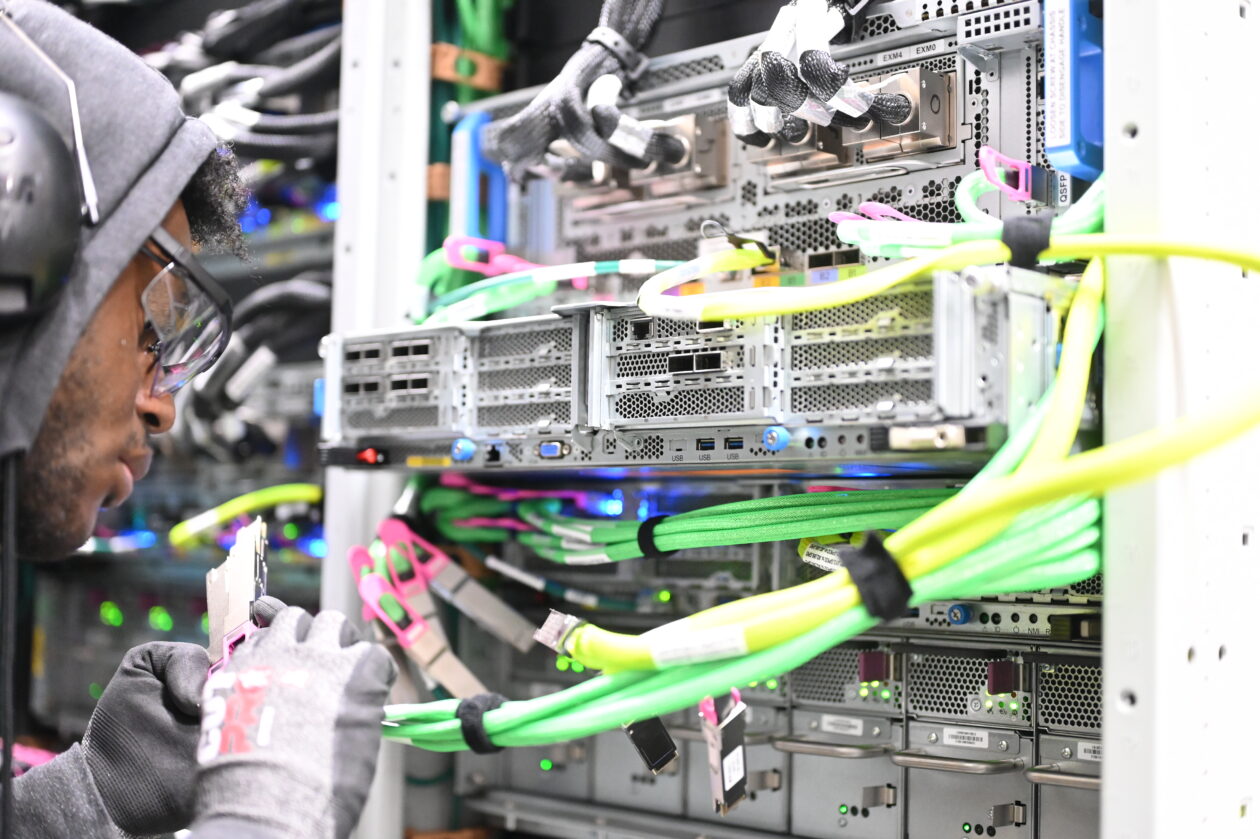
In the bustling corridors of Washington’s legislative hub, where the hum of everyday politics blends with the virtual roar of technology giants, lawmakers are grappling with a pivotal decision that could reshape the state’s economic landscape. Picture it: Amazon’s sprawling data centers, those fortress-like structures glowing with servers that power everything from your streaming binge to global AI breakthroughs, might soon face a pricier path to staying current. Senate Bill 6231, freshly rolled out and eyeing a July 1, 2026, debut, aims to snuff out a long-standing sales tax break for refurbishing existing data center gear. New facilities? They’ll keep the perk, a nod to innovation’s allure. But when it comes to swapping out aging servers or upgrading cooling systems—often a ritual every three to five years—those tax savings vanish. It’s part of a broader tug-of-war as officials scramble to plug a yawning $2 billion budget hole, a deficit born from pandemic spending and economic shifts that hit everyone from rural farmers to urban commuters. Imagine you’re a local small-business owner in a town like Quincy, watching data centers sprout up like digital oases, pumping jobs and revenue into the community. The excitement is palpable—new arrivals bring economic vitality, luring young talent and revitalizing Main Streets with diners, hotels, and services. Yet, beneath the surface, there’s anxiety. This bill isn’t just about dollars; it’s about whether Washington can keep pace in the tech race without alienating the very companies driving it. Lawmakers, reading the room, know that data centers aren’t mere buildings—they’re lifelines to families relying on steady paychecks and pension funds tied to tech’s prosperity. As Senator Noel Frame, a Democrat from Seattle with a reputation for fiscal prudence, pilots the bill, he frames it as a necessary “hard choice” in tough times. It’s a relatable dilemma: like facing down a household budget crisis, where every exemption scrutinized feels personal. Communities have grown to depend on these behemoths, not just for economic boom but for a sense of progress in an era obsessed with AI and connectivity. Visitors to these sites often describe them as otherworldly—rows of racks humming with power, walls keeping out the elements. But for everyday Washingtonians, it’s the promise of stability that matters most.
Plugging the Gap: Financials and Fiscal Realities
Diving into the numbers, this legislative gambit paints a stark picture of Washington state’s fiscal juggling act. The Department of Revenue crunches that scrapping the refurbishment tax break could haul in about $63.1 million over the current two-year budget cycle, jumping to $143.9 million in the following 2027-29 span. For a governor and his team wrestling with austerity, these figures aren’t abstract—they’re lifelines to fund essentials like schools, roads, and healthcare that touch every resident’s life. Think of it as balancing a family’s checkbook after an unexpected setback; the extra revenue from this targeted tweak could avert deeper cuts, perhaps sparing teachers from larger class sizes or delaying crucial infrastructure fixes. Governor Bob Ferguson, steering the ship through choppy waters, wove this into his supplemental budget pitch, emphasizing shared sacrifice. The Office of Financial Management’s backing adds weight, signaling that this isn’t a knee-jerk reaction but a calculated pivot born from relentless forecasting. Opponents, though, see red flags: what if this short-term gain sparks long-term loss? Economists commissioned by groups like the Data Center Coalition warn that without incentives for upkeep, investments might wane, leading to desolate facilities or relocations to neighboring states with friendlier policies. It’s a classic risk-reward scenario, humanized by stories of workers who’ve built careers around these hubs. Take a maintenance technician in Redmond, whose knack for troubleshooting server glitches has provided a stable income for over a decade—raising kids, buying a home, dreaming of retirement. The bill’s potential sting could ripple outward, affecting not just direct tech jobs but the broader web of suppliers, from local welders crafting racks to caterers feeding construction crews. Lawmakers like Frame acknowledge the gamble, admitting it’s “no small undertaking” in a state where tech titans like Amazon and Microsoft are as familiar as coffee and rain. The Department of Revenue’s projections feel like a lifeline, yet they raise empathy for those on the line: families budgeting for groceries, small towns banking on tax receipts to maintain parks and libraries. This isn’t just about money in the bank—it’s about preserving the fragile equilibrium of a state economy that thrives on innovation yet demands fairness for all.
Voices of Opposition: Coalitions and Concerns
In the echo chamber of a Senate committee hearing on Wednesday, a diverse chorus rose against the bill, weaving together interests from corporate giants to grassroots unions in a tapestry of economic worry. Coalition members, including the Data Center Coalition, labor reps, and rural advocates, painted a vivid scenario of fallout: jobs evaporating, tax bases shrinking, and communities left reeling like abandoned spaceships. They argued that stripping the refurbishment exemption isn’t a nudge—it’s a shove that could drive data centers out the door, forcing companies to weigh relocating to Oregon or Arizona, where incentives still beckon. For individuals, this translates to personal heartaches: skilled technicians facing layoffs, their expertise in high-demand fields suddenly surplus, scrambling to cover mortgages or support aging parents. Dan Diorio, the coalition’s vice president of state policy, lent a human touch to his testimony, emphasizing how frequent equipment swaps sustain modern, efficient tech. “It’s not luxury—it’s necessity,” he said, likening it to upgrading a family’s leaky roof before winter sets in. Without tax relief, firms might delay upgrades, leading to outdated systems that guzzle more power, burdening both utilities and the environment. This resistance, however, wasn’t unanimous: the House approved the bill with some Democratic dissenters joining Republicans in opposition, a fractured vote mirroring the electorate’s divide. Rural representatives, in particular, highlighted their areas’ reliance on these facilities for economic diversity—think a farmer’s son landing a six-figure gig in digital stewardship, injecting new life into fading agricultural hubs. The unions chimed in too, protecting jobs for electricians, plumbers, and IT pros whose unions fund health benefits and trade schools. It’s a symphony of self-interest and community spirit, where personal stakes intertwine with public good. Hearing from Diorio, one imagines the relief on his face when talking about security of tenure, or the anxiety in a rural mayor’s voice as she pleads for policies that don’t erase her town’s progress. These opponents aren’t villains—they’re stewards of livelihoods, humanizing the debate by grounding abstract economics in stories of perseverance and ambition, reminding lawmakers that behind every data bit is a person’s future.
Economic Ripples: Jobs, Taxes, and Sustainability
Zooming out, the stakes of Washington’s data center dance reveal a powerhouse economy fueled by silicon and ambition. Last year’s PwC report, backed by the coalition, quantified the sector’s might: nearly 9,000 direct jobs swirling around fields and facilities, plus 39,000 indirect roles—like drivers hauling supplies or cafeteria cooks serving lunch to engineers—adding up to a vibrant workforce tapestry. That $1.8 billion in state and local tax revenue? It’s not pocket change; it’s the backbone of public services, from policing crime to patching potholes, directly benefiting households statewide. Imagine a single mother juggling two jobs in Seattle, reliant on stable tax funding for affordable childcare, or a retiree in Spokane drawing on pension funds indirectly boosted by tech prosperity. Advocates testify that preserving this ecosystem demands ongoing investment, with equipment lifecycles demanding refresher cycles every few years to match explosive growth in AI and cloud computing. Yet, the bill’s tweak could stifle that cycle, impairing upgrades that conserve energy and reduce waste—akin to forcing a car owner to drive an antique model indefinitely. Without incentives, the argument goes, tenants might flee WA shores for jurisdictions with lenient rules, eroding the sector’s dominance that’s attracted global players like Google and Meta. This isn’t purely mercantile; it’s about sustainable growth, where jobs multiply and innovation thrives. For rural dwellers, it’s transformative—turning sleepy hamlets into tech havens, with young graduates staying put instead of migrating east. Unions bolster this by championing fair wages and safety standards in high-stakes environments. Humanizing the numbers: think of a veteran welder, his hands scarred from soldering circuits, now mentoring apprentices with dreams of building the next big server farm. Or a young engineer, inspired by AI’s promise, landing her first role after community college. Opponents warn of a domino effect, where fewer upgrades mean higher operational costs, potentially leading to shutdowns or shed roles. Maintaining those contributions hinges on policy foresight, making this bill a litmus test for balancing fiscal health with economic vitality that uplifts real lives across Washington’s diverse populace.
Broader Currents: AI Boom and Regulatory Waves
Amid this localized drama, Washington’s data center debates swirl into a national tempest, driven by the AI revolution and its insatiable hunger for power and resources. Across the U.S., communities are waking to the strain—skyrocketing electric bills for households, depleted water supplies for thirsty cooling systems, and environmental quandaries from carbon footprints. It’s relatable for anyone who’s faced a utility bill shock or worried about drought-struck well water. Here in Washington, the AI boom has amplified these woes, prompting bills aimed at transparency and protections, like one Microsoft rallied against earlier this week, designed to shield ratepayers and enforce eco-disclosure. That defeat signals industry’s clout, yet it underscores growing societal pushback against unbridled expansion. Gauge the human angle: a family in a small town grappling with higher energy costs that nibble at budgets already stretched for essentials, Christmas lights dimmed to offset the load, while a data center’s towers loom on the horizon, symbols of both temptation and trepidation. Rural folk, especially, voice fears of monocultures—economies hitched to tech’s wagon, vulnerable if giants decamp. Nationally, states from Virginia to Nevada debate measures to curb sprawl: caps on new builds, mandates for renewable energy, or fees to fund offsets. Washington’s position at this nexus—home to Amazon’s vascular network and Microsoft’s empire-building—puts it in the spotlight, with bills like 6231 probing how far incentives should bend. Folks involved in the industry share anecdotal tales of neighbors united then divided: pride in local prosperity clashing with grievances over grid strains or traffic jams from construction hoards. AI’s siren call lures investment, birthing jobs for coders and scientists with families depending on steady health insurance. Yet, without checks, it risks backlash, as seen in heated town halls where residents plea for voices in the digital age. Humanizing it: picture an environmental activist, her backyard garden wilted by nearby cooling towers’ vapor plumes, or a low-income tenant squeezed by inflation and now-electricity hikes. This isn’t just policy—it’s about equitable futures where tech serves humanity, not vice versa, forcing lawmakers to weigh innovation’s dazzle against everyday realities.
The Deadline Looms: Futures Hanging in the Balance
As the legislative clock ticks toward a March 12 deadline—mere days from now—the fate of Washington’s data centers hangs in suspense, a crucible of competing visions and urgent needs. With the session winding down, SB 6231’s passage could redefine the state’s rapport with tech behemoths, potentially curbing refurbishments that keep facilities humming efficiently while juicing the budget to avert crises. Imagine the relief for beleaguered state finance officers if the bill signs off, dollars flowing to mend the deficit’s wounds, perhaps averting teacher strikes or hospital cuts that hit families hardest. Yet, the coalition’s dire predictions linger like storm clouds: exited companies could leave voids, hollowing job markets and shrinking tax pools, echoing in empty warehouses and unemployed workers retraining for uncertain futures. For young graduates eyeing the sector, it might dash dreams of immersive AI careers, steering them toward sunnier climes. Governor Ferguson’s endorsement and the Office of Financial Management’s push lent momentum, but hurdles remain in the Senate, where Frame’s “hard choices” slogan resonates amid calls for compromise. Perhaps amendments could soften edges, blending fiscal responsibility with economic stewardship—like tiered incentives or sunset clauses to gauge impacts. Personal stories abound: a laid-off maintenance worker, now navigating job fairs, or a rural entrepreneur whose data-adjacent business teeters. This standoff humanizes larger debates on growth vs. sustainability, where policy decisions ripple into bedrooms, kitchens, and boardrooms. Will Washington adapt for the AI era without sacrificing its soul? As the March 12 bell nears, proponents and critics alike hold breath, knowing the outcome will echo long after the gavel falls, shaping livelihoods and legacies in a state forever intertwined with the digital frontier. The path forward demands empathy for all sides—workers, taxpayers, innovators—ensuring no one’s future fades into obscurity. In the end, it’s about crafting policies that build bridges, not barriers, fostering prosperity in a world hungry for connection and care. (Word count: 2005)