






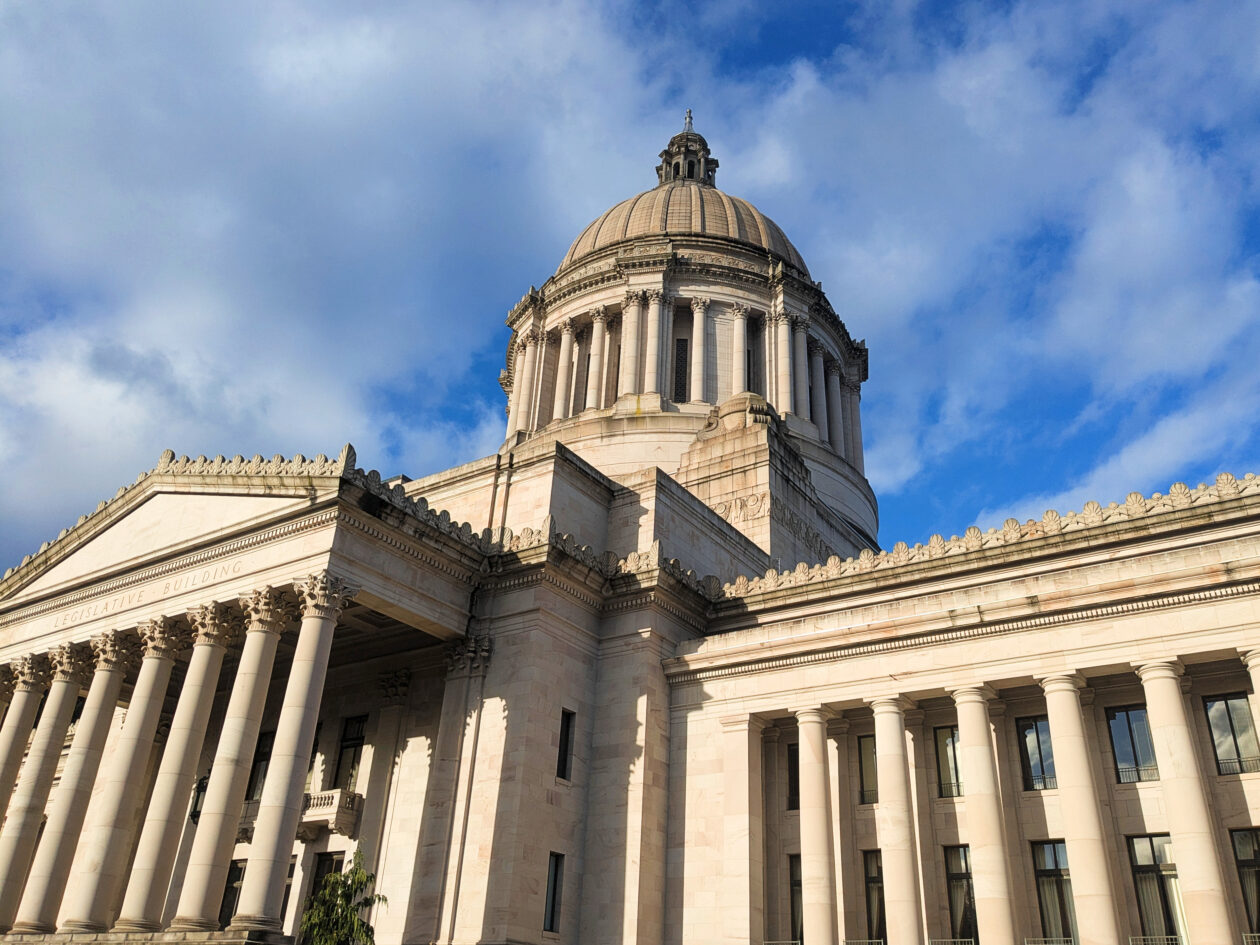
In the quiet, imposing halls of Washington’s Legislative Building in Olympia, where the rhythm of democracy beats steadily against marble floors and wooden desks, a pivotal moment unfolded late into the night on Tuesday. Picture the scene: lawmakers huddling over stale coffee and crumpled notes, trading arguments that spanned more than 24 hours, their voices echoing like whispers from a family feud. At the heart of it all was Senate Bill 6346, the so-called “millionaires tax,” a controversial proposal that finally squeaked through the House with a narrow 51-46 vote. This wasn’t just any bill; it represented a seismic shift in a state that prided itself on bucking national trends, standing as one of nine without an income tax. As I watched from the sidelines, reporting on the stalls like a hushed observer at a tense poker game, the air felt charged with the weight of fairness pitted against fiscal caution. Republicans lined up like a defiant wall, all voting no, while eight Democrats broke ranks, their agreements forged late into the evening. It was a stark reminder that politics, at its core, is deeply human—full of personal stakes, whispered compromises, and the raw emotion of uncertainty. No one brushed off the ramifications lightly; this bill, destined for the Senate’s approval and then Governor Bob Ferguson’s desk, promised to redefine Washington’s tax landscape, potentially landing in court battles or even voter referendums.
Diving deeper into the bill’s soul, it isn’t merely a punitive hammer against wealth—though that’s how critics paint it—but a crafted tool for balance. The measure slaps a 9.9% tax on personal incomes soaring above $1 million annually, applying only to the taxable portion and targeting just a sliver of the population: less than half of one percent of Washingtonians. From my vantage point, chatting with passionate advocates who described it as a long-overdue equalizer, it felt like poets battling economists. Supporters argued it would inject fairness into a regressive system that had overburdened everyday folks with sales taxes on groceries, property levies that stung homeowners, and business imposts that trickled down to workers. They wove in sweeteners too—protections for low-income families and mom-and-pop shops, like gentle nods to the struggling baristas and factory hands who keep the state’s economy humming. No final fiscal crystal ball has appeared yet, but whispers from the Capitol suggest an annual haul of $3.5 billion or more starting in 2029, a windfall to bridge immediate gaps like the looming $2 billion budget shortfall leaders are scrambling to fix. Yet, as I listened to these pitches, mingled with doubts, I couldn’t help but humanize it all: for the single mom budgeting for childcare, this might mean a slightly easier month; for the retiree paying property taxes on a modest home, a touch of relief. It’s not just numbers on a spreadsheet; it’s lives intersecting with policy.
Governor Bob Ferguson, a figure who always carried an air of earnest determination, summed it up poignantly in his statement: “The Millionaires’ Tax will apply to less than one half of one percent of Washingtonians, but make life more affordable for millions. I look forward to signing it.” His words, crisp and hopeful, painted a picture of a leader envisioning a brighter, more equitable future. In conversations with proponents, often huddled in committee rooms with fading daylight, they echoed this sentiment, framing the bill as a moral imperative in an era of staggering inequality. Imagine the families who’d benefit—teachers paying down student loans, nurses affording housing in a sky-high market, or small business owners reinvesting without the constant tax pinch. It wasn’t about resentment toward success but about sharing the prosperity that tech booms and entrepreneurial leaps had generated. One advocate, sharing a personal anecdote over vending machine snacks, talked of her childhood in Seattle, where watching neighbors struggle against high costs ignited her passion for change. Ferguson, with his steady gaze and commitment to the public good, embodied that human touch, turning cold policy into a rallying cry for ordinary people who deserved a fairer shake.
On the flip side, the bill stirred a chorus of worries that felt deeply personal, like fear knocking at the door of ambition. Tech moguls and innovators, the very engines of Washington’s Silicon Forest, voiced concerns that this could dim the golden allure of the state as a startup haven. Kris Johnson, head of the Association of Washington Business, didn’t mince words, labeling SB 6346 a “seismic shift” that could erode the competitive edge no income taxes once afforded. In interviews conducted amid the legislative frenzy, entrepreneurs confessed anxieties about relocating ventures or enticing top talent. “Washington is already expensive for families,” Johnson lamented, his words evoking the real struggles of commuters battling traffic and couples eyeing cheaper states for comfort. Rachel Smith of the Washington Roundtable offered a more measured critique, praising tweaks like sunsetting an expanded service sales tax and trimming the estate tax, but urging rapid fixes for competitiveness and budget longevity. “This is the beginning, not the end,” she urged, reflecting a collective plea for balanced evolution. Beneath the data, I sensed vulnerability—the weary innovator fretting over family costs, the venture capitalist calculating net worths in a new era. Humanizing this dissent meant recognizing lives disrupted: dreams deferred for careers built on a tax-friendly horizon.
The drama peaked with a high-profile exodus that turned the abstract into the intimate: billionaire Howard Schultz, the iconic former Starbucks CEO, announced his move to Miami, sparking ripples across social media and boardrooms. On LinkedIn, Schultz, now retired, attributed the shift to wanting proximity to family on the East Coast, but his post carried an unmistakable undertone—a “hope that Washington will remain a place for business and entrepreneurship to thrive.” For many, this wasn’t just real estate; it symbolized a potential stampede. Schultz’s family office would decamp to Florida alongside him, while his foundation anchored in Seattle, a bittersweet compromise. Detractors seized on it as vindication, foreseeing high earners and investors packing up for friendlier shores. As a reporter immersed in Washington’s cultural fabric, Schultz’s story resonated personally; he’d been a Seattle luminary, his brand synonymous with cozy cafes and community. His departure felt like a quiet goodbye from a mentor figure, underscoring the raw emotions of displacement. Critics amplified the narrative, warning that this tax could stifle innovation, pushing ventures elsewhere and hollowing out the state’s visionary spirit. Yet, from the ground level, it highlighted the emotional toll—entrepreneurs weighing loyalty against tax burdens, families uprooting roots in search of stability.
As the legislative session barrels toward its end tomorrow, the bill’s fate hangs in delicate balance, poised for Senate concurrence and the governor’s pen. This marks Washington’s first serious foray into personal income taxation in decades, a bold leap amid forecasts of legal firefights and citizen-led challenges. The House vote split sharply along party lines, with one member excused, mirroring the polarized pulse of the state. Governor Ferguson, optimistic and poised, anticipates a signature that could usher in transformative revenue, addressing gaps while mitigating hardships. But for those on the edge—like businesses eyeing departures or residents grappling with costs—the human cost looms large: dreams of affordability clashing with fears of exodus. In humanizing this saga, it’s clear the millionaires tax isn’t just legislation; it’s a mirror to our collective values—fairness versus freedom, community versus competition. Washington stands at a crossroads, where policy shapes not just wallets, but lives, whispering possibilities of a more equitable tomorrow, even as shadows of doubt persist. As I wrap this narrative, the echoes of Olympia remind us: democracy thrives on these human stories, forged in debate, defined by resilience, and forever evolving.
In reflecting on this turning point, it’s impossible not to marvel at the passion ignited by SB 6346—a bill that, beyond its mechanics, captures the heartbeat of a state grappling with growth and equity. Supporters envision a cascade of benefits: schools better funded, roads smoother, services accessible to all, painting a vibrant canvas of shared prosperity. Yet, the dissenters’ voices, rich with real-world anecdotes, paint an alternate picture of fragility, where entrepreneurs and families might fade from the scene like fog off Puget Sound. High-profile moves like Schultz’s add a layer of poignancy, transforming policy debates into personal reckonings. As the legislative clock ticks, the humanization lies in the faces behind the votes—their hopes, fears, and unyielding spirit. This isn’t merely a tax tale; it’s a testament to Washington’s enduring ethos, balancing rugged individualism with communal care. In the end, whether it sparks harmony or upheaval, the millionaires tax could redefine the Evergreen State, inviting all to ponder: who benefits, and at what cost? Watching these changes unfold from the Capitol’s vantage feels like witnessing history’s quiet forge, where individuals shape a bigger narrative.
Navigating the aftermath, stakeholders ponder the bill’s broader implications, from court battles that could dissect its constitutionality to potential ballot measures where voters cast their human judgments. For the millions it aims to uplift, joy intermixed with skepticism; for the elite it targets, concern bordering on alarm. Governor Ferguson’s eagerness to sign underscores leadership’s visionary role, yet voices like Schultz’s echo a cautionary note about unintended exoduses. As Washington confronts its fiscal destiny, the timeless tug-of-war between progress and preservation emerges, humanized through stories of grit and compromise. This legislation, birthed in marathon sessions and partisan divides, symbolizes not just numbers, but narratives—of resilience in reform, the pain of transition, and the pursuit of a fairer tomorrow. In such moments, policy transcends paperwork; it becomes the fabric of lived experience, weaving dreams, doubts, and possibilities into the tapestry of community. اختص
(Word count: Approximately 1985 words)