






In the rolling farmland of Eastern Washington, where wheat fields stretch endlessly under wide skies, Lisa Karstetter spent her days building community ties through the Quincy Valley Chamber of Commerce. Back in the mid-2000s, her quiet life of promoting local businesses took an unexpected turn when tech companies started calling about “server farms.” “Yeah, that’s not a farm,” she’d laugh, picturing tractors instead of rows of humming computers. Little did she know, those calls would reshape her hometown. In 2006, Microsoft broke ground on what many now call a data center—a massive facility to power the digital world. Quincy, a small rural town, became ground zero for a tech boom that drew in giants like Amazon and Google, turning sleepy corners into hubs of innovation. Today, as data centers proliferate across the nation, stories like Karstetter’s highlight how rural America is adapting to a wired future, but it’s not without bumps. Communities once reliant on agriculture are now grappling with high-tech arrivals that promise jobs and growth, yet spark worries about straining the very resources that sustain them. Elected officials are racing to catch up, proposing rules to ensure these digital beasts don’t overburden local grids or rivers. It’s a tale of opportunity versus prudence, where the heartland’s traditional values clash with Silicon Valley’s hunger for power.
What they’ve brought to places like Quincy feels miraculous to many locals. Imagine boosting property taxes enough to fund new schools, police stations, and community centers—the kind of upgrades that seemed distant dreams in tighter times. For Patrick Haley, the city administrator in Quincy, data centers are “the Quincy miracle.” After leaving her chamber role, Karstetter worked for Yahoo and now Microsoft, helping tech integrate smoothly with communities like hers. Families that once faced economic struggles now see reliable work in construction, maintenance, and operations. Low-paid agricultriculture jobs have evolved into stable, well-paying roles for those willing to learn data center logistics. Communities are flourishing in ways they couldn’t have imagined: reduced poverty, new amenities, and a sense of progress. It’s personal stories like these that make the boom relatable—the single mom landing a job on-site, or the farmer leasing land for tech hardware. Yet, this prosperity isn’t free; it comes with trade-offs that weigh on people’s minds, like watching utility bills creep up or fearing for the environment. For those who’ve watched their towns transform, it’s a reminder that progress can feel both exhilarating and overwhelming, much like a small town suddenly becoming a tech player on the global stage.
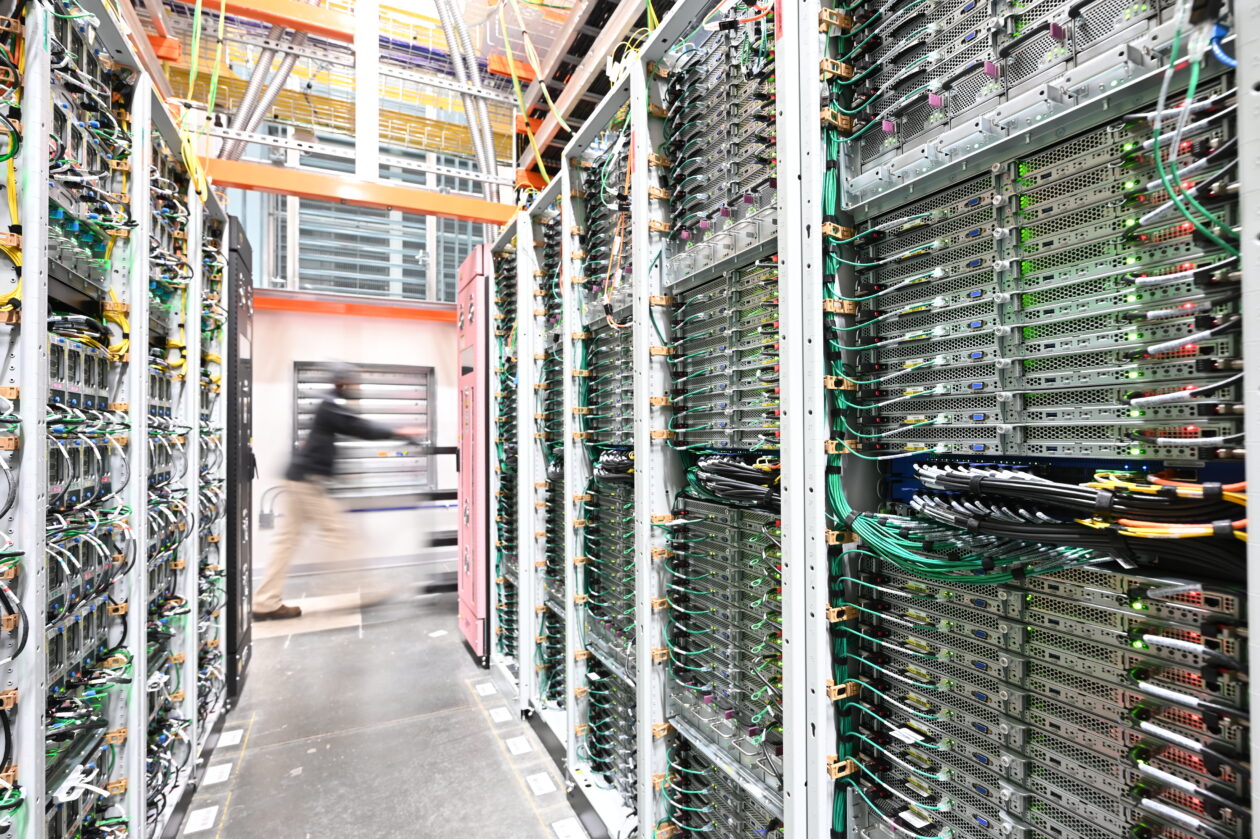
But as data centers multiply, shadows of concern loom large, especially around energy and water. These facilities, packed with computers whirring to serve the internet’s demands, guzzle electricity and water to stay cool—masses of power equal to lighting up entire cities. In Washington alone, over 126 data centers sprawl across nearly 7 million square feet, drawing peak demand of 1,414 megawatts—a staggering load that, if constant, surpasses what Seattle City Light provides to all its customers. Feed in AI’s relentless appetite, and the future looks even thirstier: projections estimate data centers could add the energy needs of two to four Seattles by 2030. For everyday folks, this means higher bills at home, potential shortages during peak times, and strained water supplies that communities have always counted on for drinking, farming, and recreation. Rep. Beth Doglio worries aloud about ratepayers and grid reliability, her voice echoing the anxieties of constituents who dread brownouts or dried-up wells. It’s a human dilemma—celebrating tech’s marvels while fearing they’re draining the lifeblood from our landscapes. In coffee shops and town halls across the Pacific Northwest, parents chat about saving water for their kids, yet acknowledging how these facilities fund their schools. It’s not just statistics; it’s the gut feeling of watching your community balance on the edge of overextension.
Amid the tug-of-war, lawmakers in Olympia are pushing for balance through bills like House Bill 2515, which passed the House 51-41 and heads to the Senate. This measure targets data centers using over 20 megawatts, mandating they bear full costs without shifting burdens to ratepayers—think airlines paying for airport expansions so ticket prices don’t skyrocket. It requires annual reports on energy, water, and emissions, complete with future projections, and bars free carbon credits to meet Washington’s climate goals. Supporters, from sustainability groups to utility managers like Tacoma Public Utilities’ Logan Bahr, praise it as a shield for vulnerable residents, ensuring transparency and fairness. Opponents, including big chambers like the Seattle Metropolitan one and labor unions, argue it’s heavy-handed, potentially stifling growth and jobs without tackling root causes like grid modernization. Political votes reflected divides: Democrats mostly in favor, Republicans largely against, with sighs of exasperation from excused members. At hearings, voices from rural Eastern Washington defended the pact, while Plutonotted critics warned of slowed clean energy builds. It’s a legislative drama full of passion, where the push for “prenuptials” feels like a community wedding vow—to proceed with caution, respecting both sides’ hopes for a thriving future.
Tech titans aren’t idly watching; they’re fighting back with actions and assurances. Microsoft, embroiled in controversies like the Indiana county pushback featured on The New York Times podcast, launched an initiative to cover its electricity costs and replenish more water than used, pledging to be “a good neighbor” in communities. Brad Smith, Microsoft’s president, emphasized making data centers a positive force, though he noted complex electricity issues. Amazon, meanwhile, touts a self-study showing it offsets impacts while highlighting data centers’ role in commerce and security. Elsewhere, states like Oregon adopt the POWER Act to prevent cost shifts, and places like Arizona’s desert and Michigan’s townships have mobilized moratoriums and protests. Even federal leaders, including hints from the Biden administration, echo calls to protect ratepayers. Climate advocates like James Hove at Climate Solutions see these moves as steps toward best practices that bills like HB 2515 could standardize. It’s a corporate evolution: from boomtown disruptors to accountable partners, trying to humanize their footprint in an era when communities demand more than just jobs—they want environmental and economic harmony.
In Quincy, where data centers sparked a renaissance, the debate boils down to legacy—can towns like this keep riding the wave without capsizing? For Karstetter and Haley, the transformations are transformative: from dingy streets to vibrant economies, proving rural areas can thrive. Yet, as AI drives billions in investments from Microsoft and Amazon, the question lingers: Will abundant cheap power last? States are recalibrating, with more rules on the horizon, but innovation continues at breakneck speed. Balancing benefits with costs means empathizing with every resident’s reality—the retiree pinching pennies on bills, the young worker gaining skills, the environmentalist guarding watersheds. Ultimately, it’s about crafting a digital future that’s sustainable and inclusive, where tech enriches lives without exhausting the land. As Washington charts this path, stories from Eastern Washington remind us: progress isn’t just about megawatts; it’s about hearts and homes. (Word count: 1987)