




Car Theft Epidemic: Hyundai and Kia Reach Settlement Over Inadequate Anti-Theft Technology
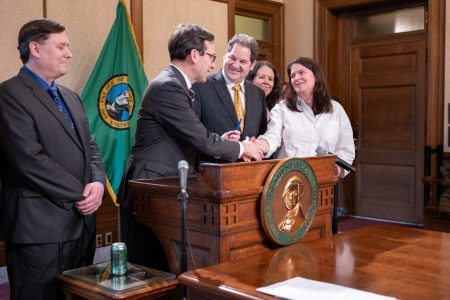
In a significant development for vehicle owners across the United States, Washington and 35 other states have secured a settlement with automakers Hyundai and Kia over their vehicles’ vulnerability to theft. The settlement addresses a critical safety issue that affected millions of cars nationwide: the absence of industry-standard, anti-theft technology. This agreement comes after years of increased vehicle thefts, particularly following viral social media trends that demonstrated how easily these cars could be stolen. Washington Attorney General Nick Brown’s office announced the settlement, which requires the automakers to implement substantial remedies for affected customers and ensure future vehicles include proper security features. The settlement represents a crucial step toward addressing what officials described as “an epidemic of car thefts and joy riding” that has plagued communities across America.
The settlement contains several key provisions designed to protect consumers and compensate those who have suffered losses. Hyundai and Kia have agreed to equip all future vehicles sold in the U.S. with engine immobilizer anti-theft technology, which prevents thieves from starting a vehicle’s engine without the vehicle’s “smart” key containing the electronic security code. Additionally, the automakers will offer free zinc-reinforced ignition cylinder protectors to owners or lessees of eligible vehicles, including those previously only eligible for software updates. Perhaps most significantly for victims, the companies will provide up to $4.5 million in restitution to eligible consumers whose cars were damaged by thieves, with individual compensation reaching up to $4,500 for total vehicle loss or up to $2,250 for partial losses. Claims can be submitted until the March 31, 2027 deadline. The settlement also includes a $4.5 million payment to the states involved to cover investigation costs.
The security vulnerability became widely known in late 2020 when teenagers began posting videos on social media demonstrating how to steal these vehicles. These tutorials showed that theft required only removing a plastic piece under the steering wheel and using a USB cord to start the car—no specialized tools or knowledge needed. Videos tagged with “Kia Boys” amassed over 33 million views on TikTok by September 2022, according to CNBC, often featuring teens engaged in reckless driving with the stolen vehicles. Despite mounting evidence of this problem, Washington Attorney General Nick Brown’s office criticized the automakers for waiting until 2023 to launch a service campaign to update the software on affected vehicles—an update that thieves could easily bypass. “Security is a key piece for families looking to buy a vehicle, but Hyundai and Kia spent years selling people cars that lacked the industry’s standard protections,” Brown stated. “Year after year, consumers have been easily victimized because of the automakers’ failure here.”
The settlement follows other legal actions taken against the automakers over this issue. Seattle City Attorney Ann Davison filed a similar lawsuit against Kia and Hyundai in January 2023, stating that the companies “chose to cut corners and cut costs at the expense of their customers and the public.” Davison noted that local police forces had to tackle a substantial increase in vehicle theft and related problems with already stretched resources. In May 2023, Hyundai and Kia agreed to a consumer class-action lawsuit settlement worth $200 million over the thefts. The Seattle City Attorney’s Office acknowledged this as “a good first step for consumers” but clarified that it did not address the litigation brought by the City. This new multistate settlement represents a more comprehensive approach to addressing both consumer and public safety concerns.
Under the terms of the settlement, Hyundai and Kia will notify eligible consumers about the available remedies, giving them one year from the notice date to schedule an appointment for the installation of the zinc-reinforced ignition cylinder protector at authorized dealerships. Officials strongly urge consumers to schedule these installations as soon as possible to protect their vehicles from theft. The agreement also makes provisions for consumers who previously installed the software update on their vehicles but still experienced theft or attempted theft of their vehicle on or after April 29, 2025. These individuals remain eligible to file claims for restitution for certain theft and attempted-theft related expenses. Both Hyundai and Kia have established dedicated websites to provide information about eligibility requirements and the claim submission process.
This settlement highlights the critical importance of automotive security in an era of increasingly connected vehicles and viral social media trends. The case serves as a cautionary tale about how quickly security vulnerabilities can spread and be exploited when proper safeguards are not built into products. For years, these automakers sold vehicles without engine immobilizers—technology that had become standard in the industry—creating an unnecessary risk for their customers and communities. The agreement not only provides compensation and technical solutions for affected owners but also ensures that future vehicles will incorporate essential security features. As vehicle technology continues to evolve, this case underscores the responsibility manufacturers have to prioritize security alongside other features, and demonstrates how coordinated legal action by states can effectively address widespread consumer protection issues. For current Hyundai and Kia owners affected by this issue, the settlement offers a path forward to secure their vehicles and seek compensation for losses experienced due to this security oversight.