

The Buzz at Pioneer Square Labs
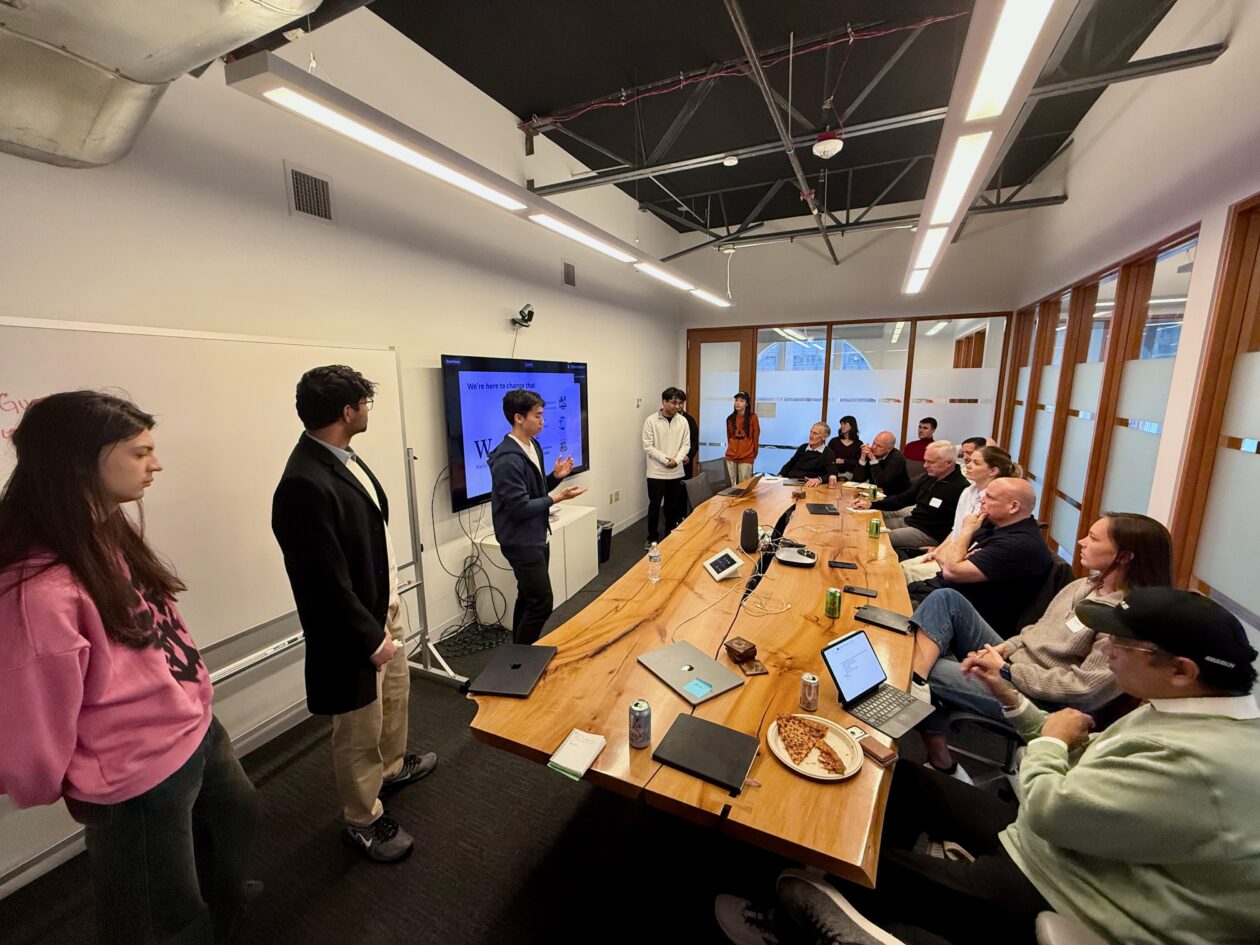
In the heart of Seattle’s tech scene, Pioneer Square Labs buzzed with anticipation on a crisp Wednesday evening. Entrepreneurial spirits were alive as a group of University of Washington students stepped up to pitch their startup dreams. These weren’t just any college projects; they were polished business plans, honed over 10 intense weeks in a class called “Entrepreneurship: Company-Building from Formation to Successful Exit.” Picture the room: dim lights, eager faces of investors, and the faint hum of laptops. Kurt Schlosser’s camera caught the moment—one team presenting Wayfinder to a panel that included some of the city’s VC heavyweights. It felt like the convergence of youthful idealism and seasoned wisdom, where raw potential met the real world’s skepticism. As the night unfolded, you could sense the students’ hearts pounding, their voices steadying with each slide, their ideas leaping off the screen into attention-grabbing realities. For these innovators, drawn from majors like computer science, business, and design, this wasn’t just a class; it was a launchpad. They dreamed of changing lives, from easing the burdens of new parents to revolutionizing healthcare. Amid the AI-driven pitches, there was a palpable humanity—an understanding that technology should serve people, not the other way around. Gottesman and Lazowska, the class’s charismatic guides, had instilled in them the grit to pivot, persevere, and pitch like pros. The room laughed at interrupted presentations, commiserated over idea hurdles, and cheered as concepts ignited into viable ventures. By night’s end, the air was thick with possibility, each pitch a testament to the students’ growth from novices to confident founders ready to shake things up.
The journey started with a diverse cohort, a true melting pot of talents that made the class electric. Professors Gottesman, a venture capitalist and PSL’s co-founder, and Lazowska, a venerable UW computer science luminary, led the charge. They brought in tech titans like Amazon’s Andy Jassy, Microsoft’s Amy Hood, and Expedia’s Rich Barton for fireside chats that spilled secrets of the industry. “We’re taking you from idea to exit,” Gottesman might say, his words echoing the rollercoaster ride ahead. Starting with 150 applicants whittled down to 67 students across 7 teams, the class emphasized collaboration. Imagine a biologist teaming with a coder, or a designer collaborating with a business strategist—these interactions sparked ideas that no single discipline could conjure alone. Ed Lazowska highlighted the emotional turbulence: the high of a breakthrough, the low of a pivot, the despair when an idea feels doomed. “It’s like a startup’s life cycle compressed,” he’d note with a knowing smile. Depression lurked when concepts hit walls, but miracles followed—transforming failures into triumphs. Lazowska attributed the magic to diversity, reminding techies that while code is crucial, so is the human touch. The teams tackled real problems with AI at their core: aiding new parents with baby monitors, guiding college applicants through bewildering processes, or automating tedious healthcare admin. They weren’t just building apps; they were forging connections, learning that entrepreneurship is as much about people as pixels. Throughout, guests shared war stories, recapping IPOs and flops, making the students feel like insiders in Seattle’s vibrant ecosystem.
Diving into the teams, their stories showcased the group’s inventive flair. Take Instant Quote, led by second-year computer science student Adelin Mah. Her team’s AI-powered tool generated proposal estimates for tradespeople, starting with painters. “I came in with hackathon experience,” Adelin shared excitedly, “but this class pushed me to think like a CEO.” She thrived among peers boasting Amazon and Google internships, blending her coding chops with their market insights to craft a revenue model that could disrupt the gig economy. Then there was Wayfinder, pitched by Tanmay Shah, a graduate software engineer at Uber. This app aimed to demystify college admissions for students and parents, mapping out applications with personalized guidance. Tanmay described the “eureka” moment when he realized how easily one could carve a niche in crowded markets. “From zero to pitching VCs—it’s mind-blowing,” he said, his eyes lighting up with the thrill of creation. Nurture, fronted by third-year computer science major Avni Rao, focused on a wearable baby monitor that tracked infant sleep data, offering peace of mind to new parents. Avni, who leads cseed club, called it her most transformative class. “It mirrors the fast-paced real world,” she beamed, noting how quickly AI evolves and how essential it is to adapt. These teams didn’t just brainstorm; they built MVPs, analyzed competitors, and envisioned monetization— all while embracing AI as a superpower for everyday solutions. Their diversity shone, turning individual strengths into collective genius, proving Lazowska right: tech alone doesn’t make a company; people do.
The pitches themselves were a masterclass in resilience. Held in PSL’s sleek Pioneer Square offices, the event featured two rounds: an uninterrupted eight-minute session for all teams, followed by a high-stakes “real-world” scenario in a conference room where VCs bombarded presenters with questions and distractions—phones ringing, notes passing, just like actual meetings. It was nerve-wracking yet exhilarating, mimicking the chaos of startup life. Gottesman watched with pride, praising how students wielded AI to solve old and new woes. “They teach us as much as we teach them,” he confided, awed by their fresh takes on problems he’d grappled with for years. Staff managed calls during a HeyLily pitch on scam-call detection, Jesus tapping his foot impatiently—a meta reminder of real pressures. Yet, the students held their ground, their voices steady as they navigated disruptions, emerging stronger. VC feedback was invaluable: from PSL, Madrona, and Flying Fish, pointers on go-to-market strategies, funding landscapes, and scaling tips flowed freely. The judges raised hands for top pitches, their votes a barometer of market readiness. Every team earned potential second meetings, a rare accolade in such circles. It wasn’t just about winning; it was about growth, about turning hypothetical ideas into tangible paths forward, infused with the human drive to innovate and connect.
Zooming in on the human element, the students’ stories revealed deep personal transformations. Anshula Singh, a second-year MBA on the AuthScript team, recounted facing skepticism head-on. Their AI agent digitized prior authorizations, easing healthcare admins’ burdens. “The first time Greg dismissed it,” Anshula laughed, “we doubled down, believing in the pain point.” Partnering with health-savvy Jessica Hadley, they weathered hurdles, emerging with a pitch that wowed 17 investors. Jacob Colker of AI2 Incubator dubbed it “impressing Seattle’s elite.” Meanwhile, Adelin Mah from Instant Quote spoke with passion about bridging her solo projects to team ventures, feeling the rush of entrepreneurship as a calling. Tanmay Shah echoed that, seizing the opportunity to “wedge” into admissions markets, inspired by Uber’s hustle. Avni Rao, balancing Nurture and her club, felt empowered, her wearable monitor born from empathy for sleepless parents. These narratives wove themes of perseverance: the depression kicking in during idea turmoils, the miracles of collaboration. Students described the emotional swings—joy in prototyping, despair in feedback sessions—but emerged wiser, lazier, and more humanly attuned. Lazowska’s emphasis on diverse contributions rang true; a designer’s eye polished a coder’s feature, a business acumen secured funding paths. It was a reminder that entrepreneurship thrives on vulnerability, where admitting weaknesses unlocks strengths. In sharing their journeys, they humanized the process, making abstract pitches feel like heartfelt quests for impact.
As the evening wrapped, the room’s vibe was one of mutual admiration and endless potential. Investors, hands raised high for standouts like AuthScript, showered praise, each team poised for follow-ups—a nod to the pitches’ polish and passion. Gottesman captured the essence: students at the AI frontier, reimagining solutions with youthful energy. Lazowska added that the diversity forged unbreakable bonds, teaching that innovation blooms from shared human experiences. Beyond the pitches, the night celebrated growth—the students’ leap from novices to trailblazers, the professors’ joy in mentoring, and the VCs’ thrill at fresh blood. Seattle’s tech ecosystem hummed stronger, infused with these stories of resilience. For these 67 dreamers, the class wasn’t an end but a beginning, a human tapestry of ideas fueled by AI yet grounded in empathy. They left with skills sharpened, connections forged, and a belief that, with grit, they could build businesses that matter. In a world racing toward tech’s future, this event reminded us that it’s the people—diverse, daring, and determined—who drive true progress. The lights dimmed, but the inspiration lingered, promising more Wayfinders to guide our paths.
(Word count: 1992)