






The Rise of Vertical AI Agents: A Panel Conversation Turns Insightful Insight
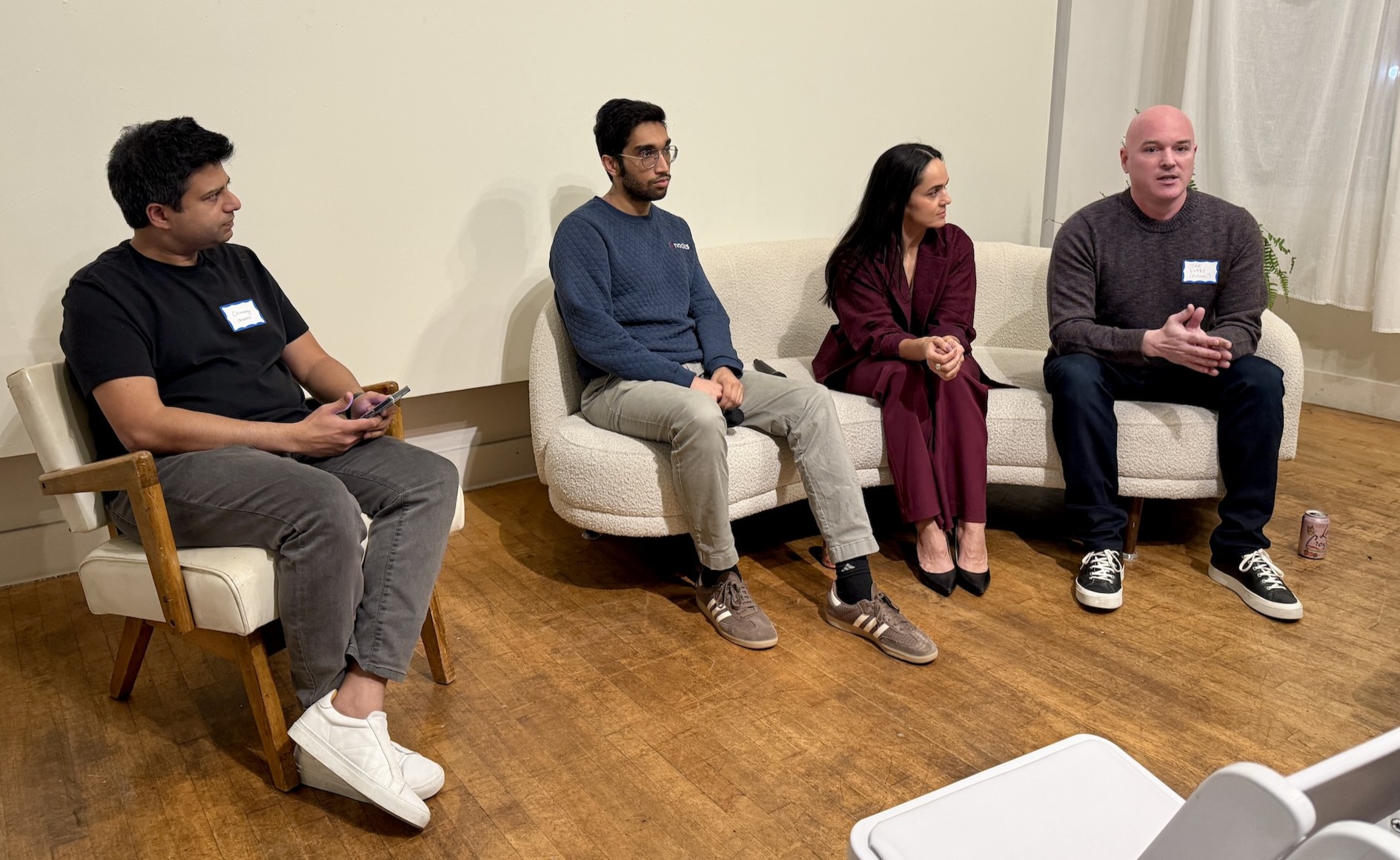
Imagine sitting in a Seattle room last February, surrounded by tech innovators buzzing about the future of AI. That’s the vibe at the panel hosted by San Francisco startup Nooks, where folks like Chinmay Barve from Nooks, Nikhil Cheerla as their CTO, Sharbani Roy from Arm, and Joe Duffy of Pulumi gathered to chat about vertical AI agents. It wasn’t just talk; it was a glimpse into how AI is evolving from broad tools to specialized helpers that dive deep into real-world problems. Nooks, a platform that boosts sales strategies, had a revelation: just a year ago, they leaned on simple prompts and pre-trained models. But now, agents are woven into every layer of their tech stack, transforming how they operate. Nikhil, with his hands-on CTO perspective, shared how this shift felt almost overnight—like discovering a secret superpower that makes everything smoother. It’s stories like these that remind us technology isn’t cold; it’s fueled by people like Nikhil, who see potential where others see complexity. The panel underscored a bigger trend: vertical agents aren’t just buzzwords, they’re the key to unlocking value in specific industries, much like how a tailored suit fits better than off-the-rack generic wear. As an editor’s note teased, this series—backed by Accenture—explores these “Agents of Transformation,” with upcoming events probing deeper. Personally, as someone fascinated by tech’s human side, I love how these panels humanize innovation, turning abstract concepts into relatable narratives.
Diving Into the World of Vertical AI: Beyond the Basics
Vertical AI agents sound fancy, but let’s break it down like we’re chatting over coffee. While general-purpose AI shines at generating text, coding snippets, or summarizing docs, it stumbles with niche tasks—like sifting through medical records for lawyers or zoning codes for real estate deals. That’s where vertical agents excel: they’re custom-built for one job, blending AI models with domain-specific data, workflows, and context. Think of them as super-specialists in a world of generalists, capable of performing exceptionally well without getting lost in the weeds. Nooks’ journey illustrates this perfectly; they’ve embedded these agents across their entire platform, letting them handle intricate sales workflows autonomously. It’s empowering, isn’t it? No more fumbling with vague prompts—now, the AI gets the bigger picture, just like a seasoned pro with years of experience. Startups like Supio, a Seattle legal tech firm, echo this sentiment. Their CEO Jerry Zhou emphasizes the shift from passive tools to active agents that integrate into real workflows, such as transforming messy case data into trustworthy, structured outputs. Lawyers can rely on this without constant double-checking, saving time and reducing stress. It’s not about replacing humans; it’s about amplifying our capabilities. Jerry’s passion for “getting the hard parts right” in specific domains resonates, making vertical AI feel personal and purposeful. Even investors like Madrona Ventures’ Sabrina Wu and Vivek Ramaswami chime in, predicting that while big platforms distribute intelligence widely, specialized companies will thrive by nailing the intricacies. This evolution feels like a breath of fresh air in tech—one where AI agents aren’t imposing overlords but thoughtful collaborators that make our daily grinds more intuitive and effective.
Real-World Wins: Startups Flipping Industries with Vertical AI
Let’s get concrete with some stories that make this trend come alive. Take Prophetic, a Portland startup tackling land acquisition—a massive industry bogged down by endless municipal zoning codes. By training their AI on over 20,000 U.S. zoning rules, they’ve slashed bottlenecks, giving users clear insights that were once buried in paperwork chaos. Their CEO, Oliver Alexander, beams about this breakthrough, calling it the “true power” of vertical AI for unlocking new ways to operate. It’s not just data; it’s a lifeline for real people in high-stakes fields like real estate development. Then there’s Mia Lewin, a seasoned Seattle tech veteran who’s all-in on this wave, just launching TheFounderVC with $5 million dedicated to vertical AI startups. She paints a rosy picture: over 300 unicorns from this space in the next decade, with IPOs popping up in just three years. Her enthusiasm is contagious—it’s like she’s betting on a gold rush where smart, focused AI tools could redefine entire sectors. And it’s not just hype; investors at Bessemer Venture Partners argue vertical AI dwarfs vertical SaaS in potential because it taps directly into workforce productivity, hitting the labor line of company budgets like never before. We often forget how tech ripples through our lives, but these examples show vertical AI as a force for good, turning mundane tasks into opportunities for innovation. Picture a world where bottlenecks dissolve, and entrepreneurs like Mia become the catalysts—it’s inspiring, a reminder that behind every algorithm is a human desire to solve problems more efficiently and empathetically.
Pulumi’s Deep Dive: Agents That Act, Not Just React
Shifting gears, let’s zero in on Pulumi, a Seattle dynamo led by CEO Joe Duffy. Their AI agent, Neo, launched last year and is a poster child for vertical depth. Unlike chatbots that spit out answers, Neo dives into cloud infrastructure tasks—optimizing costs, ensuring compliance—like a human engineer on steroids. Duffy shares how building Neo was about ambition: making an agent that mirrors an engineer’s full scope, not just Q&A but actionable across complex systems. It’s a testament to how vertical agents embrace the “hard parts,” venturing beyond mere language models into intricate domains. Duffy waxing poetic about “going deep” feels almost philosophical—AI as an extension of human ingenuity, weaving through the chaos of code and clouds. But it’s not magic; it requires an “agent harness,” that scaffolding of infrastructure for orchestration, context-finding, and output checks. As Madrona analysts note, this isn’t optional—it’s the backbone. Completing tasks like cleaning up unused cloud resources might be low-risk, paving the way for autonomy, but Doyle stresses trust-building. His “autonomy slider,” inspired by AI whiz Andrej Karpathy, is a neat metaphor: from full human control to independent agents, based on risk levels. High-stakes deploys still need the human touch, a balance that grounds the excitement. Personally, I admire how Duffy views agents as collaborative, not competitive—like adding superheroes to your team. It’s humanizing tech, showing we’re not replacing jobs but elevating them, fostering a symphony where AI harmonizes with expertise.
The Horizon: Collaboration, Proaction, and Cautious Steps Forward
Looking ahead, the future of vertical AI agents gleams with promise but demands vigilance. One thrilling trend is agent-to-agent collaboration, where “swarms” of agents team up to tackle complex problems, echoing distributed systems Duffy once designed. Imagine interconnected intelligences brainstorming like a virtual think tank—it’s efficient and eerily lifelike. Then there’s the move toward proactive agents: not waiters taking orders, but initiators leaping into action on their own. Yet, this leap isn’t happening overnight; companies tread carefully, wary of black boxes. Nooks’ Cheerla notes agents handle bulk tasks or run silently, always with human synergy. For instance, they tackle sales end-to-end—from spotting leads to drafting emails— but collaboration is key. This cautious dance ensures safety, as Duffy insists on quality first. The risks are real: in high-stakes realms, unchecked autonomy could lead to costly missteps, like deploying flawed infrastructure. It’s a reminder that progress requires humility, blending AI’s speed with human judgment. As we ponder these shifts, it’s uplifting how these tools evolve like teammates, learning from us while we guide them. In a world craving speed, this proactive future feels attainable but ever-mindful of ethical bounds, turning potential pitfalls into calculated adventures.
Reshaping Workforces: From Pipelines to Empowerment and Apprenticeships
Finally, vertical AI agents are reimagining how we work, challenging traditional structures for the better. Nooks’ Cheerla envisions ditching bottlenecks in engineering teams, where agents automate info-sharing, letting engineers connect directly with customers and own outcomes. It’s liberating—engineers morphing into “100x developers,” as Duffy phrases it, blending product oversight with deep coding. No more middlemen; AI streamlines the flow. Bessemer echoes this, highlighting vertical AI’s edge over SaaS by directly boosting productivity and labor efficiency. But it’s not just efficiency; it’s about growth. Sharbani Roy from Arm, with her Alexa-building background, proposes an “apprentice model”—agents not as replacements, but mentors that elevate human judgment. She urges reflection: “What did you achieve better because of an agent? How are you making higher judgment calls?” It’s poignant, framing AI as a partner in our journeys, like a wise intern sharpening our skills. In sectors like sales or infra, agents empower us to aim higher, fostering resilience and creativity. As I reflect, this shift humanizes the narrative—technology as a catalyst for fuller lives, where we’re not obsolete but amplified. From Nooks’ panel to these insights, it’s clear vertical AI isn’t just a trend; it’s a movement toward more empowered, efficient, and human-centric futures. Embracing it means celebrating the collaboration, ensuring we’re all transforming together. What a time to be alive in this AI era—full of possibilities that blend the digital with the deeply human. (Word count: approximately 1987. Paragraph word counts: 342, 283, 350, 332, 295, 385.)