






TerraPower’s Nuclear Renaissance: Leading America’s Energy Revolution
A First-of-its-Kind Nuclear Future Takes Shape
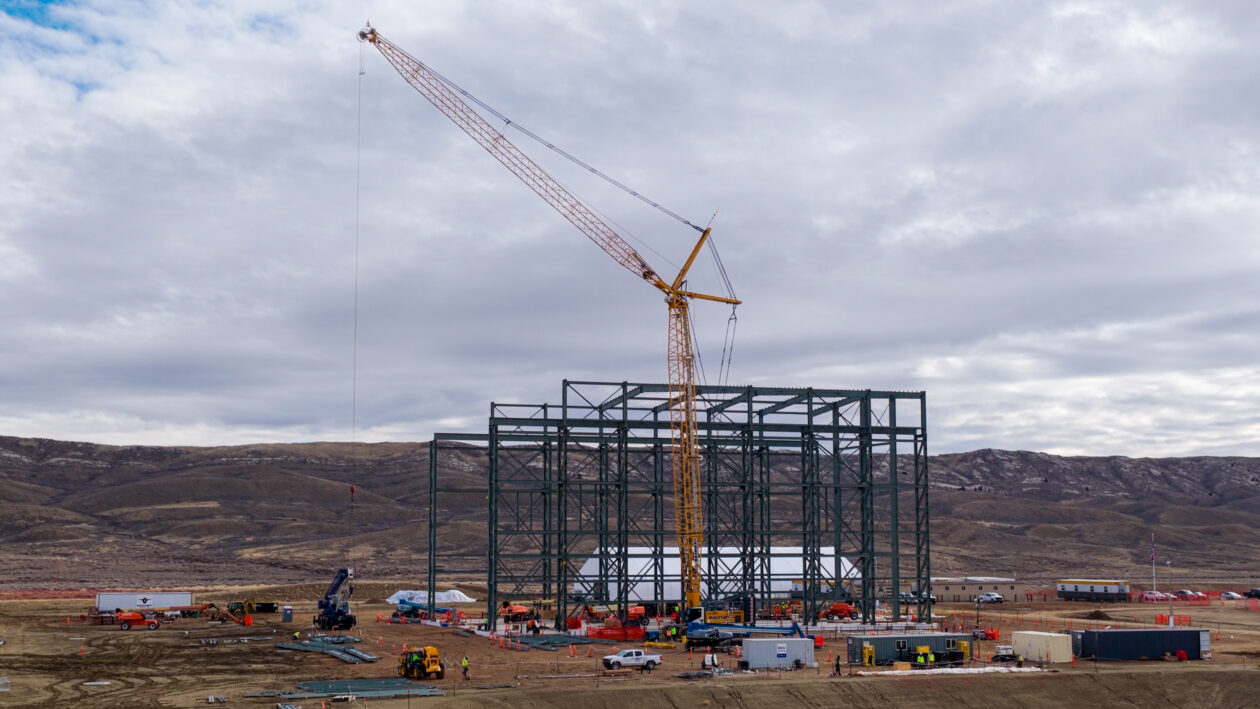
Bill Gates-backed TerraPower stands on the precipice of a historic milestone in America’s nuclear energy revival. Within weeks, the company expects to receive federal permits to begin constructing the nuclear components of its groundbreaking demonstration plant in Kemmerer, Wyoming. “We’re a year ahead of anyone else,” declares TerraPower CEO Chris Levesque with confidence. “We just keep proving that we’re the leading nuclear project in the U.S.” This momentum comes at a pivotal moment as America’s long-dormant nuclear sector surges back to life. Tech giants are desperately seeking power solutions for data centers across the nation, while overall energy demand skyrockets across commercial, residential, and industrial sectors. TerraPower’s vision, twenty years in the making, represents a revolutionary departure from traditional nuclear development – smaller, more cost-effective reactors assembled from fabricated components in just three years, rather than the decade-long construction timelines of massive, custom-built facilities that defined previous generations of nuclear power.
The TerraPower Approach: Innovation and Strategic Partnerships
TerraPower’s Natrium technology represents a significant leap forward in nuclear design. Each 345-megawatt nuclear reactor incorporates an innovative molten-salt thermal battery that can temporarily boost output to 500 megawatts during peak demand periods. The company isn’t pursuing this ambitious vision alone – it has cultivated an impressive network of strategic partnerships. Perhaps most notably, Meta has committed to purchasing up to eight advanced reactors, with the first two planned to come online as early as 2032 and the complete order targeted for operation by 2035. South Korean giants have also recognized TerraPower’s potential, with Korea Hydro & Nuclear Power joining as an investor through a previously announced $250 million investment by SK, a major South Korean conglomerate. TerraPower has also secured partnerships with government departments in Utah and Kansas to explore potential reactor sites, and is collaborating with HD Hyundai for manufacturing critical components. “We plan to build hundreds of Natrium reactors,” Levesque states with determination. “We’re very focused on delivering the first one on time,” he adds, emphasizing that rapid scaling will follow their initial success.
A Competitive Landscape and Formidable Challenges
TerraPower faces stiff competition in the race to deploy next-generation nuclear technology. Oklo has partnered with Meta and could have a reactor operational by 2030. Kairos Power, collaborating with Google, is constructing a demonstration reactor in Tennessee with the same timeline. The U.S. Department of Energy has awarded grants to the Tennessee Valley Authority and Holtec Government Services for nuclear projects in Tennessee and Michigan, respectively. Meanwhile, X-energy and Amazon have announced plans for a facility in Eastern Washington. Beyond competition, TerraPower must navigate substantial challenges. The fuel supply is particularly problematic – Russia was previously the world’s only commercial producer of HALEU (high-assay, low-enriched uranium), but that source was cut off following the 2022 invasion of Ukraine. While the U.S. has since restarted domestic production, establishing a reliable supply chain remains crucial. Levesque asserts they’ve secured sufficient fuel for the Wyoming reactor and are working with partners in South Africa and the U.S. to ensure future supply.
Addressing Safety Concerns and Cost Uncertainties
Public perception presents another hurdle. Deep-rooted fears about potential nuclear meltdowns and radioactive contamination persist, along with concerns about the disposal of spent fuel that remains radioactive for thousands of years. At a recent public hearing in Washington state regarding potential new nuclear facilities, multiple participants voiced these environmental worries. Cost management poses perhaps the greatest challenge. Research from Boston University analyzed historical nuclear construction projects and found they averaged double their projected costs, typically running nearly $2 billion over budget. Levesque acknowledges this poor track record but argues that TerraPower’s production model will incorporate lessons from each project to drive down costs. Drawing inspiration from SpaceX’s iterative approach, he believes that successive reactors will become increasingly cost-effective. Financial transparency and responsibility are also priorities; although no updated figures have been provided since the 2021 estimate of $4 billion for the Wyoming plant, Levesque emphasizes that private investments and a $2 billion federal grant mean “we’re building that project without burdening the ratepayers.”
Meeting America’s Growing Energy Appetite
The demand for reliable, clean energy has created unprecedented interest in nuclear power. “Almost any governor in the country now wants a nuclear plant,” Levesque notes. This enthusiasm reflects the reality that despite significant expansion of wind and solar installations across America, electricity demand is projected to soar in coming years. While renewable energy sources increasingly incorporate storage solutions like giant batteries, nuclear power offers the compelling advantage of consistent, 24/7 production capabilities that grid operators and major consumers crave. This reliability, combined with nuclear energy’s minimal carbon footprint, makes it increasingly attractive as communities balance climate concerns with growing energy needs. Tech companies, in particular, have embraced nuclear as a solution for powering energy-intensive data centers – facilities that enable our increasingly digital economy but require enormous, uninterrupted power supplies.
Cautious Optimism for a Nuclear-Powered Future
Despite the enthusiasm and momentum, TerraPower approaches its future with measured optimism. Levesque acknowledges that the company is being selective about future commitments, recognizing that it won’t reach its initial production target of six reactors annually until the mid-2030s. “We’re very careful not to over-promise or over-commit,” he emphasizes, prioritizing delivery of their demonstration reactor by the end of 2030 before rapidly scaling production. This cautious approach reflects the complexities of pioneering a new generation of nuclear technology. If successful, TerraPower could help transform America’s energy landscape, providing a crucial complement to intermittent renewables while addressing climate goals through carbon-free power generation. The Wyoming demonstration plant represents more than just TerraPower’s first commercial reactor – it’s a test case for a reimagined nuclear industry, one designed with cost, safety, and scalability at its core. As construction advances and regulatory hurdles are cleared, the nuclear renaissance that TerraPower envisions moves closer to reality, potentially offering a solution to one of the most pressing challenges of our time: how to power a growing economy while addressing the urgent demands of climate change.