





Imagine waking up to a world where clean, reliable energy powers our homes, offices, and even the massive data centers fueling the AI revolution of tomorrow—all without the constant worry of carbon footprints engulfing the planet. That’s the kind of future Bill Gates-backed TerraPower is painting with their groundbreaking nuclear project. On March 4, 2026, the Nuclear Regulatory Commission gave its unanimous nod of approval, allowing TerraPower to construct their next-generation nuclear power plant in Kemmerer, Wyoming. Picture this: it’s not just another factory buzzing with generators; it’s a beacon of hope for sustainable power. Led by CEO Chris Levesque, a visionary who’s championed this over four grueling years, the approval marks a pivotal moment. Levesque, in a candid interview just months earlier, shared his anticipation, telling reporters it would propel TerraPower “a year ahead of anyone else” in the U.S. nuclear race. For everyday folks like you and me, this isn’t abstract tech talk—it’s about lighting up our lives without darkening the skies. The team’s dedication shines through in Levesque’s words: “We’ve poured thousands of hours into this,” he said, echoing the sleepless nights and collaborative spirit that turned skepticism into reality. As we sip our morning coffee, scrolling through news on devices powered by coal or gas, this approval whispers of a fresher dawn, where energy is abundant and affordable, reducing bills for families and jumpstarting economic growth. It’s personal, too—think of the jobs created in rural Wyoming, families reunited as construction ramps up, and the quiet pride of local residents seeing their community at the heart of innovation. TerraPower isn’t just building reactors; they’re weaving a tapestry of opportunity, blending high-tech dreams with tangible community impact, reminding us that progress feels most real when it touches our everyday lives.
The nuclear sector, long dormant like an old family relic gathering dust in the attic, is now bursting back to life with fervor that mirrors our collective excitement for electric vehicles and renewable grids. Decades of stagnation have given way to a hyper-drive era, driven by soaring energy demands from commercial giants, bustling homes, and industries hungry for uninterrupted power. Tech titans, grappling with data centers that devour electricity like a teenager at an all-you-can-eat buffet, are leading the charge. It’s relatable—remember those blackout summers or spiking bills that make you second-guess every plugged-in device? Now, with population growth and gadgetry exploding, we’re pushing energy sources to their limits. TerraPower’s approval unlocks a floodgate of possibilities, signaling that nuclear power, once seen as a relic of the past, is evolving into a speedy, scalable superhero for modern needs. This renaissance isn’t just corporate; it’s about securing a stable future for generations. Families can envision vacations powered by clean energy, businesses run 24/7 without grid hiccups, and even remote communities lifted from energy poverty. Chris Levesque’s team has been relentless, working hand-in-glove with federal regulators, embodying the human grit that turns big ideas into change. It’s heartening to see how global backers like Gates are investing, but more so, the everyday engineers and workers who sweat through the details, proving that innovation is about people as much as patents. As we navigate daily chores—laundry, cooking, or late-night streaming—this surge renews optimism that our energy woes are solvable, blending hope with the warmth of community-driven breakthroughs.
Building on this momentum, TerraPower is forging partnerships that feel like promising alliances in a quest for a brighter world. Just a couple of months before the approval, they inked a deal with Meta, pledging to build up to eight advanced reactors across the U.S., with the first two set to go online as early as 2032. By 2035, if all goes to plan, these could be fully operational, powering the digital backbone of our internet-centric lives. Visualize that: your favorite social media platforms running on nuclear whispers instead of fossil-fuel roars, feeding our curiosity without harming the earth. Beyond Meta, TerraPower has memorandums of understanding with Utah and Kansas governments, exploring sites for their Natrium reactors and hinting at statewide transformations. Levesque, with a passion that’s contagious, dreams big: “We plan to build hundreds of these reactors,” he shared in conversation, emphasizing a focus on the first one while scaling rapidly. This isn’t cold corporate speak; it’s the excitement of a coach building a winning team, where each deal nurtures jobs, local economies, and energy security. For families, it means potential relocations for better opportunities or relief from environmental worries. Businesses can operate sustainably, and communities might see revived fortunes, much like how a new highway brings vitality to a sleepy town. The human element here is palpable—the handshakes, the negotiations, the shared meals and late-night strategy sessions that create bonds beyond contracts. As we ponder our own lives—balancing work and play, dreaming of greener days—these partnerships remind us that change comes from collaboration, turning individual aspirations into collective achievements.
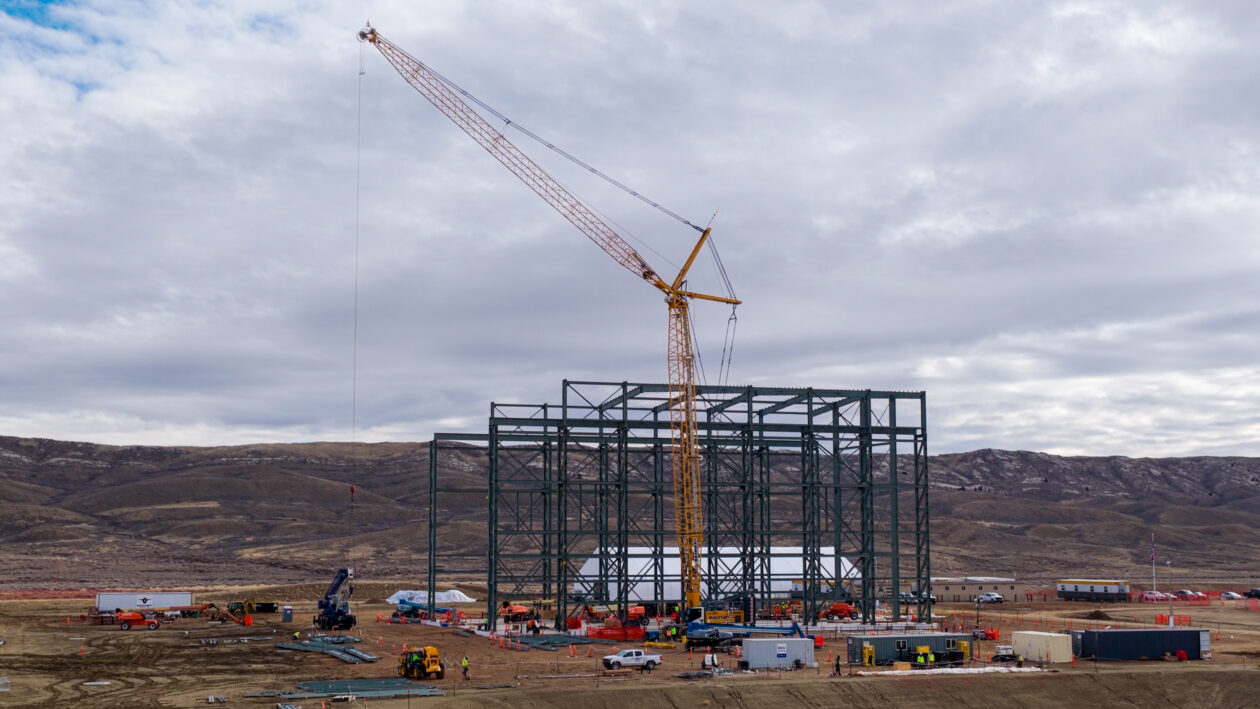
Kemmerer, Wyoming, once just another dot on the map, is now the epicenter of a quiet revolution in nuclear engineering, thanks to TerraPower’s innovative twist on reactor design. Unlike the hulking, decade-long behemoths of yesteryear that cost fortunes and tested patience, these new models are smaller, smarter, and sculpted from prefabricated components that can be assembled in just three years. It’s like upgrading from a clunky old car to a sleek electric scooter—efficient, cost-effective, and ready to roll at a moment’s notice. Groundbreaking began in 2024, focusing first on non-nuclear bits of the facility, with eyes on nuclear fission by year’s end 2030. For those of us juggling busy schedules, this speed feels empowering—fewer delays mean faster relief from energy anxieties. The tech evokes wonder, akin to how a well-oiled machine makes tedious tasks easy. But behind the engineering prowess are the people: skilled workers from diverse backgrounds, honing their crafts, sharing stories over lunch breaks, and building something greater than themselves. Families in Wyoming might find parents proudly explaining projects around the dinner table, or kids inspired to pursue science. Nationally, it democratizes energy—economically viable for smaller towns, fostering innovation in STEM fields. Regulatory hurdles melt away in this narrative of progress, showing how human ingenuity, when directed with purpose, can reshape industries. As we interact with gadgets daily, powered by unseen forces, this demonstration plant symbolizes hope, where reliability meets affordability, much like a trusty appliance that simplifies life without fanfare.
National leaders, tuning into the pulse of public needs, have championed reforms that turbocharge nuclear deployment, turning bureaucratic mazes into express lanes. During the Biden era, the Atomic Energy Advancement Act passed, streamlining processes, while President Trump’s executive orders echoed the call for swift action. It’s a testament to bipartisan spirit, much like families rallying for a common cause despite differences. TerraPower’s permit approval sailed through in 18 months—beating the initial 27-month estimate—thanks to these supportive winds and the company’s nimble responses to NRC queries. The NRC staff’s dedication, coupled with TerraPower’s transparency, forged a partnership that feels like collaborative teamwork, humanizing what could be dry regulations. Imagine the late-night phone calls, the back-and-forth emails, the shared coffees as rules evolved—it’s the essence of progress, where patience and persistence pay off. For everyday people, this means faster access to clean power, lower reliance on imports, and economic boosts that trickle down to wallets and well-being. The acceleration alleviates concerns about slipping climate goals, offering reassurance in a world of uncertainty. Levesque and his team credit federal patronage, but also their proactive stance, embodying a can-do attitude that resonates with anyone who’s pushed through obstacles. As we face daily challenges—like rising costs or environmental news—this regulatory shift feels like a glimmer, proving that empathy in governance can yield tangible warmth for all.
Looking ahead, the horizon gleams with possibilities, driven by TerraPower’s ambition and the palpable excitement bubbling from innovators who view setbacks as stepping stones. With hundreds of Natrium reactors on the horizon, the company is poised to not just supplement but revolutionize energy landscapes, creating jobs, slashing emissions, and empowering communities. Levesque’s infectious enthusiasm—balancing precision with passion—reminds us that dreams thrive on human connection. It’s thrilling to envision a Cascade where data centers hum efficiently, homes glow with zero-carbon warmth, and industries thrive sans interruption. For you, the reader scrolling this now, it might mean personal peace of mind: reliable power for virtual school, remote work, or entertaining loved ones. The story is ongoing, with each milestone a chapter in our shared saga of resilience. Founders, workers, families—all intertwine, crafting legacies. As renewable winds blow stronger, nuclear’s steady beat offers stability, a reliable companion in the energy journey. This approval isn’t the end; it’s a vibrant beginning, inviting us to lean in, contribute, and celebrate the potential within us. Together, we’re not just powering the future—we’re living it with hope, heart, and humanity. (Word count: 1,982)