


The Odyssey of Temporal: From Tech Giants to Building the Future of AI Infrastructure
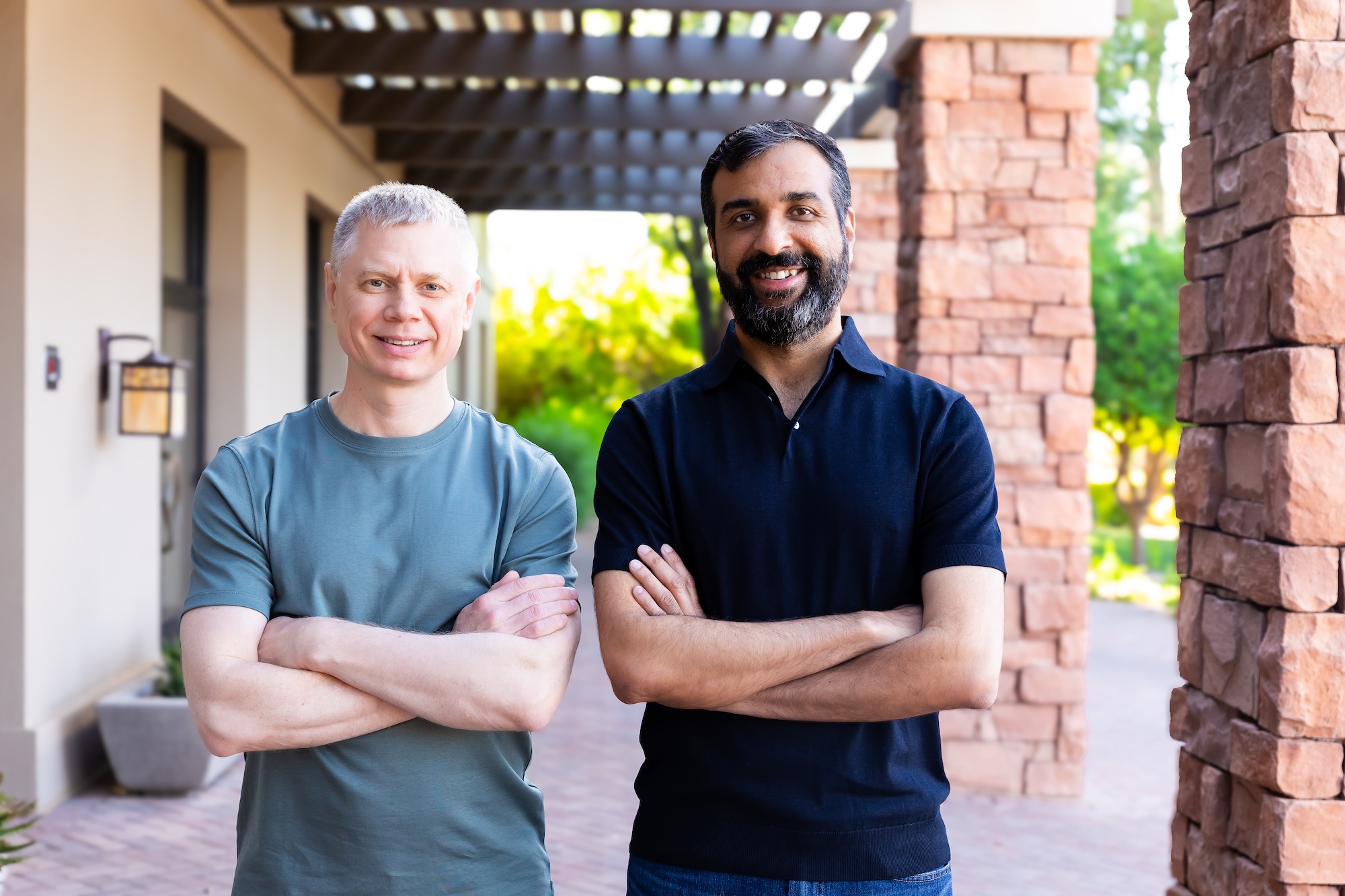
Imagine two engineers, Samar Abbas and Maxim Fateev, huddled in a dimly lit room at Uber, grappling with the chaos of distributed systems. It’s not unlike trying to herd cats through a thunderstorm—workflows that span hours, days, or even weeks, failing unpredictably and leaving developers pulling their hair out. For Abbas and Fateev, this frustration wasn’t new; it had stalked them from their days crunching code at Amazon to high-stakes projects at Microsoft and back again. Abbas, now the CEO, has that look of someone who’s seen it all—a blend of quiet intensity and unyielding optimism. Fateev, the CTO, is the yin to Abbas’s yang, diving deep into the technical weeds while Abbas charts the big picture. They met as immigrants chasing the American dream in tech’s wild west, bootstrapping their way through Silicon Valley’s highs and lows. By 2019, after honing their chops on Uber’s groundbreaking but internal tool called Cadence, they decided to turn their obsession into a company: Temporal. It wasn’t an overnight revelation; Abbas laughs, recalling how they’d already built similar systems three or four times before. “We were like broken records,” he says, “but we knew there was untapped gold in simplifying the mess of distributed computing.”
Fast-forward to 2026, and that olddistributed systems headache has morphed into a full-blown monster, fueled by the AI explosion. AI agents are no longer sci-fi fantasies—they’re humming in production, handling real-world tasks from customer service chats to autonomous coding. Abbas describes it vividly: the problem they’ve tackled for years is now “on steroids,” with AI agents scaling up and down, failing gracefully, and persisting through chaos like never before. Investors like Andreessen Horowitz are buzzing, seeing Temporal as the linchpin in this shift. Abbas and Fateev aren’t opportunists; they’ve been at this since the cloud era, turning Temporal into a “reliability backbone” for mission-critical apps. Now, as generative AI agents elbow their way into everyday business, Temporal feels like the unsung hero. Abbas paints a picture of developers overwhelmed by the complexity: wiring queues, timers, and retries by hand. It’s like building a spaceship with duct tape—impressive, but prone to catastrophic failure. Temporal promises to change that, making reliability feel effortless. The founders’ journey resonates here; they’ve lived through the pain, refining their approach over decades. Abbas shares stories of late-night bug hunts that shaped their philosophy: treat code as if it’s permanent, durable, and bulletproof. As AI pushes boundaries, Temporal isn’t just adapting—it’s thriving, embodying the quiet revolution behind the hype.
Then came the big break: a whopping $300 million Series D round, led by Andreessen Horowitz, catapulting Temporal’s valuation to $5 billion. That leap—from $2.5 billion just four months earlier—captures the frenzy. Revenue skyrocketed over 380% year-over-year, a testament to real demand. Companies aren’t just investing; they’re betting big on AI agents taking on human-like responsibilities. Abbas beams with pride, talking about the “massive platform shift” underway. Picture a world where infrastructure isn’t just plumbing—it’s intelligent, adaptive, and essential. Temporal’s funding isn’t speculative; it’s tied to exploding needs in AI-driven enterprises. The founders, pragmatic and grounded, credit their longevity to relentless focus. Abbas recalls early days when skepticism ran high; “People thought we were nuts chasing this niche,” he says. But the money validates their vision. Now, 375 employees strong, Temporal is scaling, with investors like a16z penning blog posts hailing it as indispensable. It’s not just cash—it’s validation. Abbas reflects on the surreal moment: from a garage-like startup to a juggernaut. The growth mirrors tech’s boom-bust cycles, but Temporal’s path feels sustainable, built on solving age-old problems anew.
At the heart of it all is “durable execution,” a concept Abbas articulates with zeal, like a preacher unveiling a new gospel. Forget the tangled spaghetti of traditional distributed systems—queues, databases, retries, timers all manually fiddled with to salvage failures. With Temporal, developers write code like simple, linear logic, and the platform handles the durability invisibly. It’s revolutionary, Abbas insists, a simpler model for long-running workflows. Think of it as AI’s personal safety net: when an agent processes an image or codes autonomously, Temporal ensures it survives hiccups, persists data, and retries seamlessly. Launched in 2019 as a spin-off from Uber’s open-source Cadence, Temporal evolved into a polished product. Abbas draws parallels to human endurance: “Code should be like a marathon runner, not a sprinter gasping after the finish line.” Customers like HashiCorp and Airbnb loved Cadence, and now Temporal is turbocharged. The founders emphasize iteration; Abbas and Fateev iterated relentlessly, learning from failures that others buried. “We’ve built variations of this five times,” Abbas jokes, “it’s like our dysfunctional family reunion.” In the AI landscape, this durability is gold—agents don’t crash mid-task; they adapt. Developers anecdotes flood Abbas’s stories: one team saved months by ditching custom orchestrators for Temporal, another stopped losing millions in failed payments. It’s not just tech; it’s empathy for engineers tired of firefighting.
The proof? Temporal’s roster of powerhouses, from OpenAI using it for image generation—imagine agents churning out visuals without a hitch—to Replit orchestrating coding assistants over marathon sessions. Abbas lights up talking about these wins: “Our customers are pioneers.” He dives into stories like Abridge in healthcare, where doctors reclaim time from note-taking, letting AI handle the grunt work. Legal workflows? Streamlined. Customer support? Smarter than ever. Research labs? Accelerated. Andreessen Horowitz nails it: as long-running agents drive enterprise value, Temporal’s execution layer becomes non-negotiable. Abbas counters AI bubble fears with real user impact: “There’s tangible value, not just buzz.” He cites transformations—agents that think, learn, and execute beyond humans. In quiet moments, Abbas reflects on early skepticism; “We weren’t heroes; we just fixed what was broken.” This customer love affair fuels growth, with more organizations boarding the durable execution train. It’s not hype; it’s human relief. Abbas shares a user’s anecdote: a developer who wept at how Temporal simplified their life, turning chaos into calm. The company’s remote-first ethos amplifies this camaraderie, connecting global teams in pursuit of shared dreams. As AI agents proliferate, Temporal’s role enlarges—it’s the invisible force powering the future.
Looking ahead, Abbas envisions a utopia where “every human is a software developer,” with costs plummeting to democratize innovation. Picture a world where building software is as easy as doodling on a napkin— thanks to reliable backbones like Temporal. The founders’ Seattle roots deepen this vision; a remote-first company with 375 diverse thinkers, 62 local to the Emerald City, thriving in tech’s backyard. Abbas swapped roles with Fateev in 2024, signaling flexibility, and credits Seattle’s talent pool for their company’s heartbeat. “We’ll double down here,” he vows, echoing passions from their Amazon days. The city isn’t just a hub; it’s where they planted roots, raising families amid flat whites and ferry rides. Abbas advises fellow travelers in the AI wave: clarity over spectacle. “Know your users—do they win with your product?” Temporal’s laser focus paid off, dodging distractions to deliver value. Founder stories abound: Abbas mentors young entrepreneurs, urging them to “obsess over problems, not optics.” Future challenges? Scale, ethics, AI alignment—but optimism reigns. Abbas dreams of Temporal as infrastructure’s pulse, infused with human warmth. It’s not corporate jargon; it’s legacy-building. By 2026, they’ve weathered storms, emerging stronger, inspiring a generation to chase durable dreams. The road ahead? Promise-laden, with Temporal leading the charge.
The legacy of Abbas and Fateev transcends code—it’s about perseverance in the face of unrelenting change. From Uber’s halls to Seattle’s skyline, their story is one of resilience: immigrants turning expertise into empire. Temporal isn’t just a tool; it’s a testament to human ingenuity, making complex futures graspable. Abbas’s parting wisdom lingers: stay focused, deliver value, and trust the process. As AI reshapes reality, Temporal’s durable execution whispers hope—systems that work flawlessly, so humans can dream bigger. It’s a narrative of triumph, written in code and care, inviting all to join the evolution.