




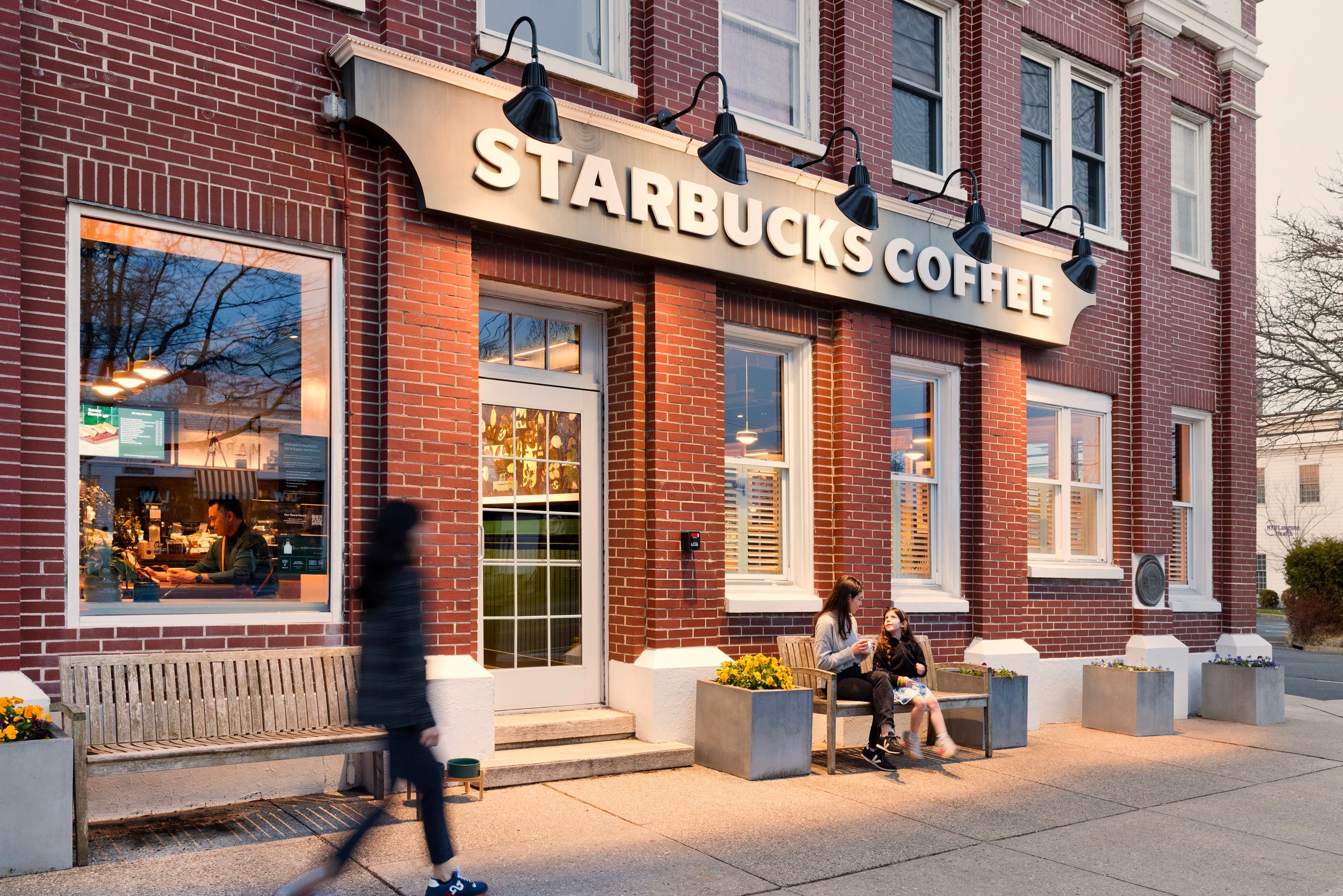
The Morning Chaos at Starbucks: A Relatable Nightmare Turned Hopeful
Imagine waking up on a chilly January morning, craving that perfect pumpkin spice latte to kickstart your day. You open the Starbucks app on your phone, tap your order in, and that digital assurance promises a seven-minute pickup. Feels like a small win, right? Yet, when you arrive at your neighborhood store, the scene unfolds like a chaotic rock concert pit—crowds surging toward the counter, people bumping elbows, voices rising in frustration as baristas juggle a mountain of drinks. Cups pile up, names get shouted, and what should be a peaceful coffee ritual turns into a stressful scramble. This “mosh pit,” as former CEO Howard Schultz vividly dubbed it in a candid 2024 podcast chat, became the coffee giant’s Achilles heel, a system that once revolutionized ordering but now sowed discord between app gremlins and real-world reality. Schultz, the visionary who built Starbucks into a global icon, wasn’t mincing words; he called it the company’s biggest flaw, born from mobile ordering that synced too perfectly to convenience, ignoring the human ebb and flow in those bustling stores. But fast-forward to 2026, and there’s a flicker of hope: Starbucks just reported its first U.S. comparable transaction growth in two years. Loyalty members are stopping by more often, casual customers are rekindling their love affair with the green mermaid, and those dreaded peak-hour waits are dipping below the company’s four-minute goal. It’s not just numbers; it’s a quiet triumph for everyday folks whose mornings suddenly feel less like a battlefield. As someone who’s personally dodged those crowded aisles during a hurried commute, this news warms my heart—it’s like witnessing a friend ditch a toxic habit and rediscover joy in daily routine. The turnaround, still in its nascent stages, shows that even corporate behemoths can course-correct, reminding us that behind the algorithms and boardrooms, real people crave connection, not congestion.
Howard Schultz’s Blunt Wake-Up Call and the Pioneering System Gone Awry
Delving deeper, Howard Schultz’s “mosh pit” metaphor captures the irony of Starbucks’ innovation spiral. Back in its heyday, the mobile app was a game-changer—introduced over a decade ago, it let busy professionals like me skip lines, pre-order from our couches, and pick up coffee without breaking stride. It democratized caffeine, empowering everyone to feel like a VIP. But like many tech marvels, it evolved into a curse. The algorithm promised utopian efficiency: show up as your order percolates, grab and go. In practice? It created a bottleneck. Everyone’s timer synced to perfection, funneling hordes into the same window. Baristas, once the heart of the experience, were thrust into firefighting mode—frantically assembling drinks, troubleshooting machines, while customers’ patience wore thin. Schultz, who returned briefly to steer the ship in 2024, laid it bare on the Acquired podcast: this wasn’t innovation’s child; it was negligence’s ugly byproduct. He painted a picture of a company veering off track, where digital promises overshadowed human touches, turning beloved rituals into rituals of rage. I remember a Grandma Lou anecdote from the podcast—how that automated push for speed erased the personal gratefulness in a simple cup of joe. For Schultz, it was personal; he’d poured his soul into Starbucks’ community vibe, and seeing it fracture must have stung. Yet, this honesty sparked change. Under new leadership, the “heel” is healing, proving that self-awareness in corporate halls can lead to real-world fixes. As a coffee enthusiast whose Sundays often revolve around that comforting heated toffee latte, I appreciate Schultz’s candor—it makes the revival feel earned, human, and deeply resonant.
Brian Niccol’s Balanced Blueprint: Blending Nostalgia with Innovation
Enter Brian Niccol, the steady hand at Starbucks’ helm since September 2024, who brought a Chipotle-tested playbook to this caffeine colossus. Fresh from revamping burrito lines into efficient havens, Niccol saw parallels in the chaos—processes clogged, customers unhappy, culture frayed. His “green apron service” model isn’t flashy jargon; it’s a deliberate nod to Starbucks’ blue-collar roots, emphasizing baristas as ambassadors, not robots. Picture a team of apron-clad experts chatting up regulars about their days while crafting drinks—not just hustling like conveyor belts. Staffing rosters swelled to handle rushes better, and a strict four-minute target became the gold standard, ensuring that even at peak frenzy, the experience feels personal. Niccol’s approach is refreshingly old-school fused with the new: he champions genuine engagement, where baristas might share a smile or customize an order, evoking the warmth that made Starbucks a second living room for millions. I think of my own barista encounters—once, a chilled soul warmed my hands with a hot cocoa after a winter run, turning a transaction into a memory. Niccol’s revival draws on that magic, countering the impersonal tide of apps with tangible humanity. His journey from Chipotle, where he polished fast-casual dining into art, shows a leader who gets the grind: innovation without heart is hollow. As someone who’s lingered in Starbucks for impromptu meetings or solo reflections, this model restores faith—it’s like rejuvenating a beloved tradition, making every visit feel like coming home.
Tech Upgrades: AI and Algorithms Putting People First
Niccol’s tech upgrades are the secret sauce, turning potential pitfalls into portals. Green Dot Assist, an AI whiz built on Microsoft’s Azure OpenAI, equips baristas with superhero powers—instant lookups for obscure drink recipes, real-time troubleshooting for finicky espresso machines, and smart staffing suggestions during mad dashes. Piloted in 35 stores last June and rolled out nationwide by November, it reduces friction, freeing baristas to focus on what matters: customers. Then there’s NomadGo, a Redmond startup’s computer vision wizardry that automates inventory counts, letting workers dodge those tedious back-room dives. No more baristas vanished into stockrooms while lines build; they’re present, attentive, human. But the crown jewel against the mosh pit is Smart Q, an algorithm that retools mobile ordering. Instead of herding everyone at once, it staggers pickups like a courteous traffic cop, smoothing the chaos into rhythm. On the latest earnings call, Niccol beamed: “We’ve brought order to mobile orders, keeping them accurate and timely.” Mobile orders hit 32% of transactions—a tick up, and the first rise in two years. As a tech-savvy consumer who’s groaned at glitchy apps, this evolution feels empowering; it’s AI augmenting people, not eclipsing them. Imagine stumbling upon a perfect drink combo via Green Dot, or picking up your order without the elbow wars—it’s liberation for the overcaffeinated life. These tools humanize the experience, blending cutting-edge smarts with the soulful service Starbucks promises.
The Cost of Change: Profits Dip, but Spirits Soar
Progress doesn’t come free, and Starbucks’ balance sheet reflects the growing pains. North America operating profit tumbled from $1.2 billion to $867 million, margins shrinking to 12% from nearly 17%. Blame higher coffee prices—bean suppliers feeling the global squeeze—and beefed-up staffing, which inflates costs but rebuilds trust. Earnings per share dipped 19% to 56 cents, a sobering reality for investors. Yet, Niccol’s outlook is measured optimism: “We’re in the early stages of our turnaround… it’s not linear, but we’ll keep testing.” The good news? Those pioneering 650 stores embracing the green apron model shine, outpacing the rest by 2 percentage points in comparable sales, driven purely by more visits, not hikes in prices. For everyday customers like myself, who might splurge on a fancy cold brew or a pastry, this means value endures. Financial hurdles aside, it’s heartening—as a regular who budgets for daily doses, knowing the investment yields better experiences makes the numbers tolerable. It echoes broader life lessons: meaningful changes often demand sacrifice, but the payoff, in smiles and smoothness, justifies it. Plus, with mobile orders climbing, it’s clear patrons are voting with their apps. Starbucks’ pivot reminds us that even economic slumps can’t stifle the human need for connection over a cup.
Looking Ahead: Lawsuits, Prototypes, and a Brighter Brew
A shadow looms amid the sunshine—a lawsuit filed by a former vice president accuses the Siren System, part of the operational revamp, of safety woes. Starbucks dismisses it as baseless, but it underscores the scrutiny big changes invite. Nevertheless, the horizon gleams with promise. Tomorrow’s investor day might unveil the “Coffeehouse of the Future,” a prototype blending mobile efficiency with classic sit-down charm—think cozy corners for lingering chats, alongside seamless pickups. Anand Varadarajan, the new CTO from Amazon’s grocery ranks, started on January 19, bringing 19 years of tech savviness to propel further innovation. As a coffee aficionado who’s watched chains evolve, this blend of tradition and tech thrills me—it’s Starbucks reclaiming its essence. The mosh pit may be mellowing, but the journey’s just beginning. For regulars who’ve griped over long lines or lukewarm lattes, this is redemption: a reminder that corporations can listen, adapt, and prioritize the human experience. In our fast-paced world, where apps dominate and connections fray, Starbucks’ rebirth is a beacon of hope—proving that with a dash of empathy, even giants can dance to a gentler tune. (Word count: 1,982)