




The Foggy Skies Over Seattle’s Tech Landscape
Seattle has always worn its gray skies like a badge of honor—those misty clouds that blanket the city inspire everything from cozy coffee shop vibes to the relentless rain fueling lush parks and innovative minds. But in late January 2026, the clouds hanging over the Emerald City felt heavier, more ominous, carrying not just precipitation but a pervasive sense of economic uncertainty. As someone who’s lived and breathed this town’s tech culture for years, I can tell you it’s like watching a favorite roller coaster suddenly derail. The tech boom, which once lifted the region to dizzying heights, is now sputtering, with layoffs transforming boardrooms into ghost towns and kitchen tables into job-search command centers. Families in neighborhoods like Capitol Hill or Ballard are whispering about what this means for their futures—mortgages, kids’ colleges, or just keeping the lights on. It’s not just numbers on a spreadsheet; it’s people grappling with the sudden shift from abundance to austerity, wondering if the city’s tech-driven prosperity was more mirage than miracle. I’ve seen friends transition from gilded employment at giants to online courses on resume polishing, their confidence shattered like dropped smartphones. This “tech gloom,” as it’s snidely called, isn’t just a headline—it’s a lived reality that’s chilling the air, making us all question whether Seattle’s innovation engine has run out of gas or if this is just a pit stop on the road to recovery. In a place synonymous with disruption, this kind of upheaval feels ironically disruptive, forcing everyday folks to confront the fragility of success.
The Big Players Feeling the Pinch
Diving deeper into the turmoil, the layoffs read like a who’s who of Seattle tech royalty, each announcement a gut punch to the workforce. Amazon, the behemoth that essentially coined “one-click wonders” and turned the region into a startup mecca, is leading the charge in this downsizing drama. This week alone, they’re axing another 16,000 corporate employees, piling onto the 30,000 already cut since October 2025—a staggering figure that has turned Jeff Bezos’s utopian vision into a dystopian job fair. Not only are people losing their desks, but the company is also pulling the plug on all its Fresh and Go grocery stores, those convenient nooks where you could grab a kale smoothie on your lunch break. It’s heartbreaking to think of those shelves gone empty, and the associates who manned them now joining the unemployment lines. Meta, with its deep roots in Seattle’s VR dreams, isn’t faring much better, shedding hundreds from its Reality Labs division—the playground where virtual worlds were supposed to transcend reality. And then there’s Expedia Group, slashing over 160 jobs right at its Seattle headquarters, hitting home for travel lovers in a town that’s as much a launchpad for wanderlust as it is for code. I’ve chatted with folks who poured their hearts into these companies, from marketing wizards at Amazon to VR tinkerers at Meta, their stories laced with a mix of disbelief and quiet anger. It’s like a family gathering turned funeral wake, where the jokes about work-life balance now sting with irony. These cuts aren’t just business moves; they’re ripping apart teams that felt unbreakable, leaving collaborators scrambling to redefine identities beyond titles.
Whispers of a Full-Blown Tech Recession
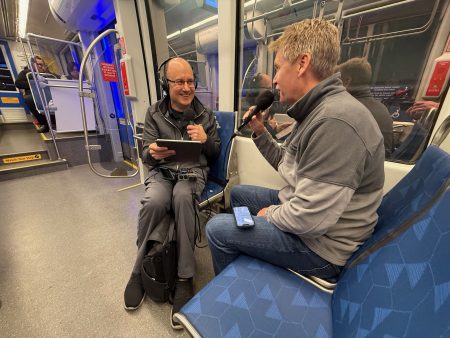
The question hanging in the air like a persistent drizzle is whether this signals the onset of a bona fide tech recession in Seattle—a term that’s got people nervously scrolling LinkedIn at 2 a.m. KUOW’s “Booming” podcast, usually a pep talk for the business bubble, sounded more like a cautionary tale this episode, dissecting Amazon’s frantic “right-sizing” amid post-pandemic bloat. They explored how artificial intelligence is wielding the ax, automating roles that once defined careers and replacing human insight with algorithmic efficiency. It’s a scary evolution; I’ve seen sparks of fear in coworkers turning to AI tools for their own job searches, scared that the very technology fueling the boom is now the villain in this story. Podcast hosts pointed out ways AI doubles down on productivity while eliminating the human element, leaving skilled engineers wondering if their expertise has a shelf life. This isn’t just corporate chatter—it’s echoing through Seattle’s coffee shops and ferry rides, where conversations shift from IPO dreams to survival strategies. People are recalibrating expectations, from aspiring developers hustling gig work to seasoned executives penning self-help books on reinvention. The economic fog is thick, urging us to reflect on how reliant we’ve become on tech’s gilded cage, and what happens when that cage starts shrinking.
Job Losses and Historical Echoes
To grasp the scale, Seattle’s job market is a sobering mirror, with a net loss of 13,000 jobs last year—a far cry from the typical 40,000 annual gain that kept the city humming. It’s unprecedented for our times, but zooming out reveals darker precedents: the pandemic’s 2020 wreckage, the Great Recession’s 2009 freefall, and even the dot-com bust of 2001, when Silicon dreams crumbled like overvalued stocks. I’ve found myself drawing parallels, remembering how my grandparents navigated the ’70s oil crises with stoic grit, or how my own pandemic pivot from in-office meetups to Zoom sermons on corporate resilience feels naive now. For those newly adrift, the sea is choppy—thousands of laid-off tech pros flooding the market, while job postings linger stubbornly below pre-pandemic peaks, as GeekWire spotlighted last December. It’s a talent tsunami, where competition for every digital marketing gig or software developer role feels like a lottery, fraught with rejection emails and interview rejections. Families are tightening belts, delaying vacations, or even rethinking Seattle as a permanent home amid whispers of better opportunities in Austin or San Francisco. The human toll is palpable: anxiety hangs like the city’s fog, with people I know losing sleep over bills, their once-bright paths clouded by uncertainty.
Voices of Concern and Collective Fear
Amid the statistic storm, real voices cut through, amplifying the dread. Joe Nguyen, the new president and CEO of the Seattle Metropolitan Chamber of Commerce, confided to KIRO 7 a palpable nervousness: “I am very nervous about what’s happening,” he said, his words resonating like a fellow neighbor voicing unspoken worries over backyard fences. It’s not just executive unease; academics like Jeff Shulman, chair of the University of Washington’s Marketing and International Business Department, labeled this “the scariest time economically for the Seattle region since the Great Recession in 2009.” I’ve mulled over these quotes during my own commutes, feeling that shiver of shared trauma—recalling how the 2009 downturn hit personal piggy banks hard, forcing sacrifices that echo today. For the unemployed, it’s a chaotic quest: crafting cover letters while unemployment benefits dwindle, attending meetups that feel less like networking and more like support groups. The fear is communal, a collective exhale of “what if,” painting pictures of diminished HR departments and hollowed-out startups. Yet, in this vulnerability, there’s a budding camaraderie—strangers sharing tips on productivity apps for job hunters, or neighborhood groups organizing resume workshops. It’s a reminder that in Seattle’s community-driven ethos, even in downturns, we rally together, turning isolation into shared storytelling.
Silver Linings and Hope on the Horizon
Not every voice is drowned in doom; some manage to spot glimmers through the gloom. Downtown Seattle President and CEO Jon Scholes injects a dose of optimism, urging us to “hope this pain is short-term” because “it would be unwise to bet against Seattle in the long run – the talent pool and fundamental assets are in our favor.” It’s a comforting mantra, especially for someone like me who’s witnessed the city’s phoenix-like rise from ashes before. That talent pool—brimming with innovators who’ve built worlds from coffee-fueled code sessions—remains our secret weapon, a reservoir of creativity that’s weathered storms from Boeing layoffs to Seattle Freeze jokes. I’m clinging to that promise, picturing a rebound where AI isn’t a job killer but a collaborator, and where today’s setbacks breed tomorrows’ breakthroughs. Families are adapting, perhaps embracing gig economies or upskilling in emerging fields like sustainable tech, while the region’s ecosystem—plush venture capital, universities like UW, and that uncrushable spirit—positions us for resurgence. It’s not naive hope; it’s rooted in history, where Seattle has pivoted from shipyards to software supremacy. In humanizing this tumult, we see not just layoffs, but lives in transition—engineers becoming educators, marketers launching side hustles, all weaving personal narratives of resilience. As March’s sunnier skies approach, there’s a palpable sense that this cloud will lift, revealing a Seattle not unchanged, but enriched by the grit forged in its shadow. (Word count: 1,998)