




A Nostalgic Shift in Seattle’s Musical Heartland
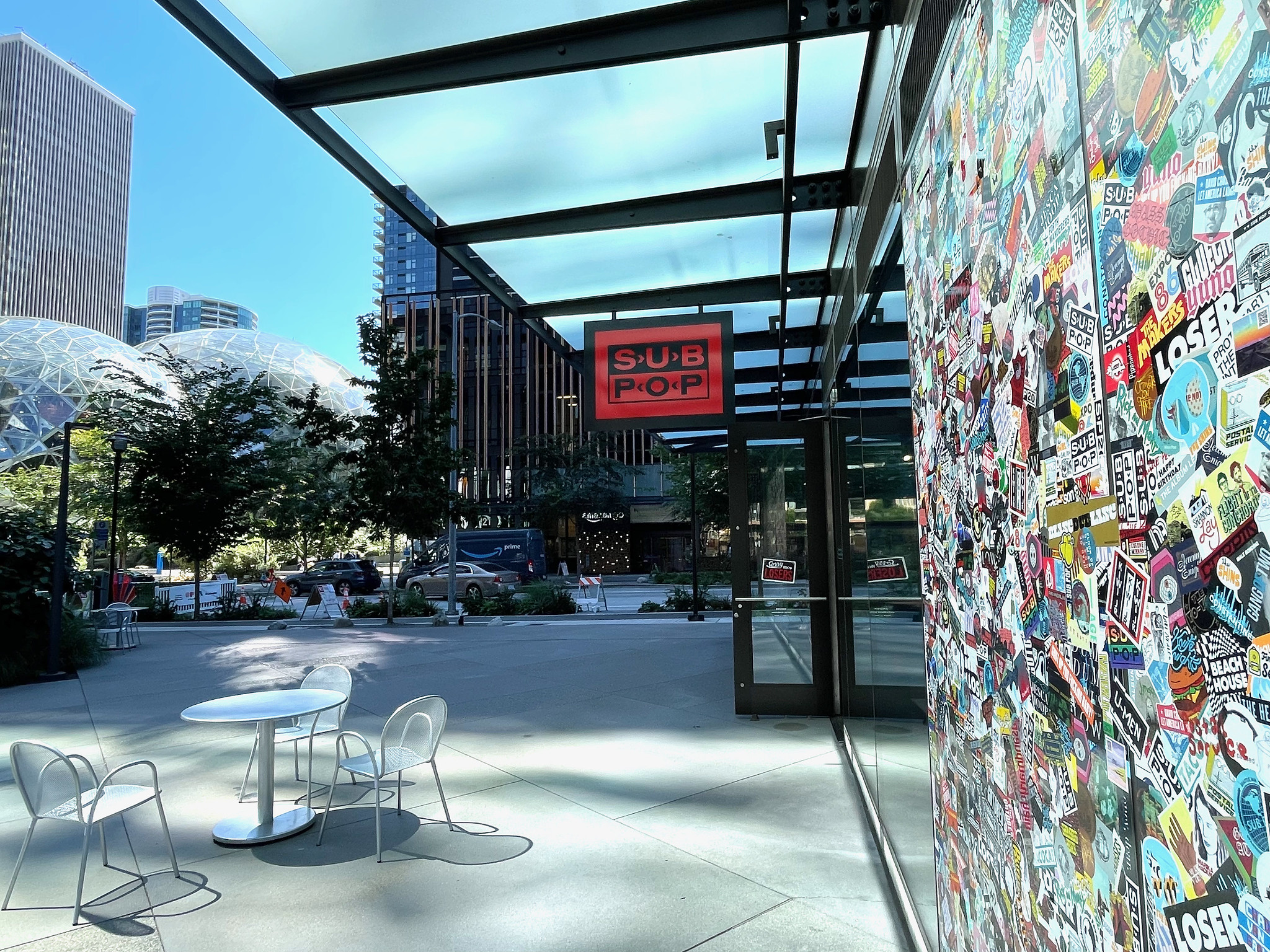
Imagine strolling down 7th Avenue in the Denny Triangle, where the sleek glass towers of tech empires loom like silent giants under the Pacific Northwest sky. Right there, at 2130 7th Ave., perched at the base of Amazon’s re:Invent headquarters, was a little oasis of rebellion: Sub Pop Records’ retail store. Opened in January 2021 amid the haze of a global pandemic—a time when bricks-and-mortar shops like it seemed almost contrarian— this spot sold more than just merchandise. It offered a tangible connection to Seattle’s grunge soul, with vinyl records spinning tales of angst and raw energy, and walls plastered with stickers that screamed individuality in a neighborhood dominated by Amazon’s Spheres across the street and the innovation hub of Amazon Go. For five years, this store embodied Sub Pop’s spirit, drawing in locals and wanderers alike. Walking in, you’d feel the buzz of nostalgia, like flipping through old photo albums where Nirvana’s raw chords or Soundgarden’s thunderous riffs transported you back to the mosh pits of the ’90s. The label’s iconic logo adorned everything from quirky t-shirts and keychains to limited-edition vinyls, each item a keepsake for fans cherishing Seattle’s musical pedigree.
Yet, as the tech skyline evolved, so did Sub Pop’s path. On a quiet Thursday, the announcement hit social media like a bittersweet chord: the store was closing this Sunday. It wasn’t just goodbye to a retail spot; it was the end of an era tied to Amazon’s growing dominion. Founded in 1988 by Jonathan Poneman and Bruce Pavitt—way before Jeff Bezos was tinkering in a Bellevue garage with his online bookseller dreams—Sub Pop catalyzed the grunge explosion that put Seattle on the global map. Bands like Mudhoney, with their gritty, feedback-laced anthems, or Pearl Jam’s brooding introspection, rode the label’s wave. But Amazon, with its e-commerce revolution, reshaped the city Sub Pop had helped define. Opening a store here during COVID, when optimism was scarce and foot traffic a gamble, was a bold statement. It turned heads in a digital age, proving that vinyl’s crackle and a sticker-covered facade could thrive amid steel-and-glass monoliths. Fans lingered, sharing stories of late nights at the Crocodile Café or bootleg tapes passed around, feeling Sub Pop’s roots in every purchase. The move felt personal, a reminder that even in a city hurtling toward the future, some traditions needed fresh air.
Fast forward to the reshuffling: Sub Pop isn’t vanishing from the physical world. Instead, it’s relocating, like a band touring to new venues. A new waterfront store will open April 1 at 908 Alaskan Way, amidst the bustle of Seattle’s scenic edge where ferry whistles mix with seagull cries. This spot promises a rebirth, closer to Pike Place Market’s vibrant chaos and the salty breeze of Elliott Bay, far from the corporate sheen of 7th Avenue. It’s a strategic pivot, adapting to modern currents while honoring the label’s independent heart. For employees and regulars, the shift evokes mixed emotions—excitement for the sea views, tinged with the ache of leaving a familiar nook that had become a community hub. Picture the last vinyl spins, the final sticker exchanges, and the poignant goodbyes. Yet, it’s also a nod to evolution: Sub Pop, born in grunge’s gritty underbelly, now sails toward new horizons, perhaps even inspiring a new wave of creators along the water’s edge.
Reflecting deeper, this closure ties into a broader narrative of Seattle’s identity tug-of-war between tech and counterculture. The original Sea-Tac Airport location, shuttered at the end of last year after 12 years in Concourse C, was another casualty. It had welcomed travelers with Sub Pop swag, turning layovers into spontaneous jam sessions or casual fangirl chats. Losing that felt like losing a gateway, a reminder of mobility and fleeting connections in an always-on world. But the waterfront move suggests resilience. Founded 34 years ago, Sub Pop predates Amazon’s empire by six years, its DIY ethic a counterpoint to Bezos’ grand visions. In a city where startups dominate headlines, Sub Pop’s store was a reminder that culture matters too—walls adorned with Kurt Cobain’s ghost echoed louder than profit margins. Fans might reminisce about scoring rare releases amid the pandemic’s quiet, or the joy of gifting a Nirvana tee to a friend. It’s human stories like these that make a label’s relocation more than business; it’s about preserving Seattle’s rebellious spirit in an era of algorithms.
As April approaches, the new Alaskan Way address stirs anticipation. Envision crowds browsing under the region’s iconic cloudy skies, the Space Needle peeking from afar, while ferry horns blend with indie tunes. The merchandise will remain the same—timeless bands on wax, playful knick-knacks, and that cheeky logo— but the setting transforms it. No longer boxed in by corporate towers, it’s freer, more accessible, inviting tourists and locals to dive into grunge’s legacy without the shadow of the Spheres. For those who frequented the old spot, there’s a sense of loss, like saying farewell to a favorite gig venue. Yet, it’s also hope: Sub Pop adapting, thriving, continuing its mission to amplify voices from the underground. This shift humanizes the label further, showing it’s not just a corporate entity but a living, breathing chapter in Seattle’s story, evolving with the people who love it.
Ultimately, Sub Pop’s journey from 7th Avenue to the waterfront is a testament to change in a dynamic city. It’s been five years of unexpected victories amid challenges, from pandemic strains to urban reconfiguration. The store’s sticker-plastered charm was a beacon, proving that indie culture can flicker brightly in tech’s glow. As it packs up, fans are left with memories: the curated playlists, the friendly banter, the thrill of discovering new sounds. Moving forward, the Alaskan Way outpost stands as a new beginning, poised to attract fresh crowds with its waterside allure. Sub Pop’s story isn’t ending; it’s flowing onward, like Puget Sound tides. In human terms, it’s about holding onto roots while embracing waves of progress, ensuring Seattle’s grunge heartbeat keeps pulsing for generations more. This relocation isn’t just logistical—it’s emotional, a pivot that honors the past while daring to dream anew. As locals and visitors flock to the new locale, they’ll carry stories of the old shop, weaving them into Seattle’s ever-evolving tapestry, one vinyl side at a time. The city, forever shaped by both Amazon’s ambitions and Sub Pop’s defiance, finds balance in this simple, heartfelt move.