



New Research Reinforces Concerns About Smartphone Use in Schools
A new study affiliated with the University of Washington School of Medicine has revealed concerning patterns about smartphone usage among American teenagers during school hours, adding significant weight to the ongoing debate about mobile devices in educational settings. The research, published in JAMA, offers compelling evidence that may influence how schools across the country approach smartphone policies in the classroom.
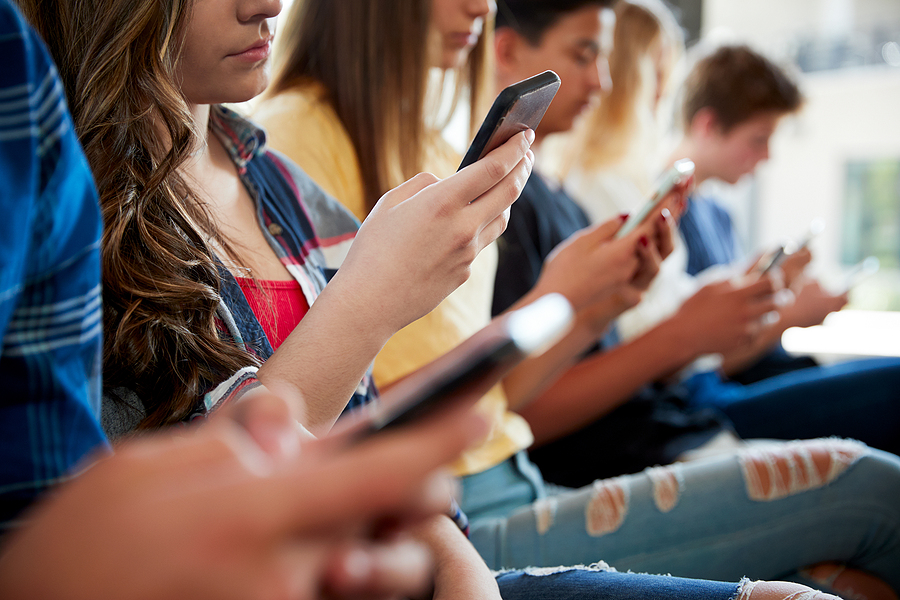
According to the Adolescent Brain Cognitive Development Study, which tracked 640 teens through passive monitoring software on their Android smartphones over a period of nearly two years, adolescents aged 13-18 spend more than one hour per day on their phones during school hours. Perhaps most troubling is what specifically captures their attention during this time: social media applications like Instagram, TikTok, and Snapchat account for the largest portion of usage, followed by YouTube and games. The study also revealed important demographic patterns, with older teens (16-18 years old) and those from lower-income households demonstrating higher smartphone usage rates than their peers. This extensive national sample builds upon previous research published in JAMA Pediatrics, which included fewer participants but incorporated iPhone users as well.
Dr. Dimitri Christakis, the senior author of the paper and a professor of pediatrics at the University of Washington School of Medicine who also practices at Seattle Children’s Hospital, expressed particular concern about the nature of the applications consuming students’ attention. “These apps are designed to be addictive,” he noted, highlighting how they “deprive students of the opportunity to be fully engaged in class and to hone their social skills with classmates and teachers.” His comments reflect a growing consensus among educational experts that smartphone usage isn’t merely a distraction but potentially undermines fundamental aspects of educational and social development that occur during school hours. The intentionally engaging design of these platforms makes it especially difficult for developing adolescent brains to resist their pull, even in learning environments.
The implications of these findings have already begun to shape policy across the United States, with at least 32 states and the District of Columbia now requiring school districts to ban or restrict cell phone use in schools. However, Dr. Christakis expressed skepticism about the effectiveness of current enforcement efforts, describing them as “very poorly enforced, if at all.” His concern extends beyond immediate academic performance to broader societal implications: “I think the U.S. has to recognize the generational implications of depriving children of opportunities to learn in school.” In Washington state specifically, a majority of school districts planned to implement policies limiting students’ use of cellphones and other smart devices at the start of the previous school year. While Seattle Public Schools has not yet issued a district-wide policy, at least three public middle schools in the district have independently banned phones, and at least one high school prohibits their use during classes.
The conversation around smartphone restrictions isn’t happening without student input. The University of Washington’s Youth Advisory Board, comprising approximately 20 teenagers from Seattle-area schools, recently published its first memo addressing this contentious issue. Their thoughtful approach weighs both the potential benefits and drawbacks of phone bans while offering recommendations on how schools should develop and communicate their policies. This student perspective acknowledges the complexity of the issue—smartphones can serve legitimate educational and safety purposes, yet their potential for distraction and social disruption is substantial. The involvement of students in this discussion represents an important step toward creating policies that balance technological realities with educational needs.
The findings from this study arrive at a critical moment in the national conversation about technology and education. As schools continue to navigate post-pandemic learning environments and address concerns about academic recovery, the role of personal devices in the classroom has become increasingly scrutinized. The average of 1.16 hours spent on smartphones during school hours—approximately one-sixth of the typical school day—represents a significant portion of instructional time potentially compromised by digital distractions. For educators already working to address learning gaps and social-emotional challenges, these findings offer quantifiable evidence of yet another obstacle to student engagement and achievement.
As schools, districts, and states consider their approaches to smartphone policies, this research provides valuable data to inform those decisions. The challenge ahead lies not only in crafting appropriate restrictions but in effectively implementing them in ways that acknowledge the legitimate uses of technology while minimizing its disruptive potential. With smartphone ownership nearly universal among American teenagers, finding this balance has become one of the defining educational challenges of our time. The evidence increasingly suggests that allowing unrestricted access to phones during school hours may come at too high a cost to student learning, social development, and mental health—a conclusion that educators, parents, researchers, and increasingly, students themselves, are coming to recognize through studies like this one from the University of Washington.