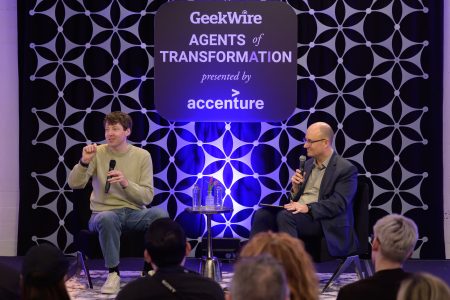






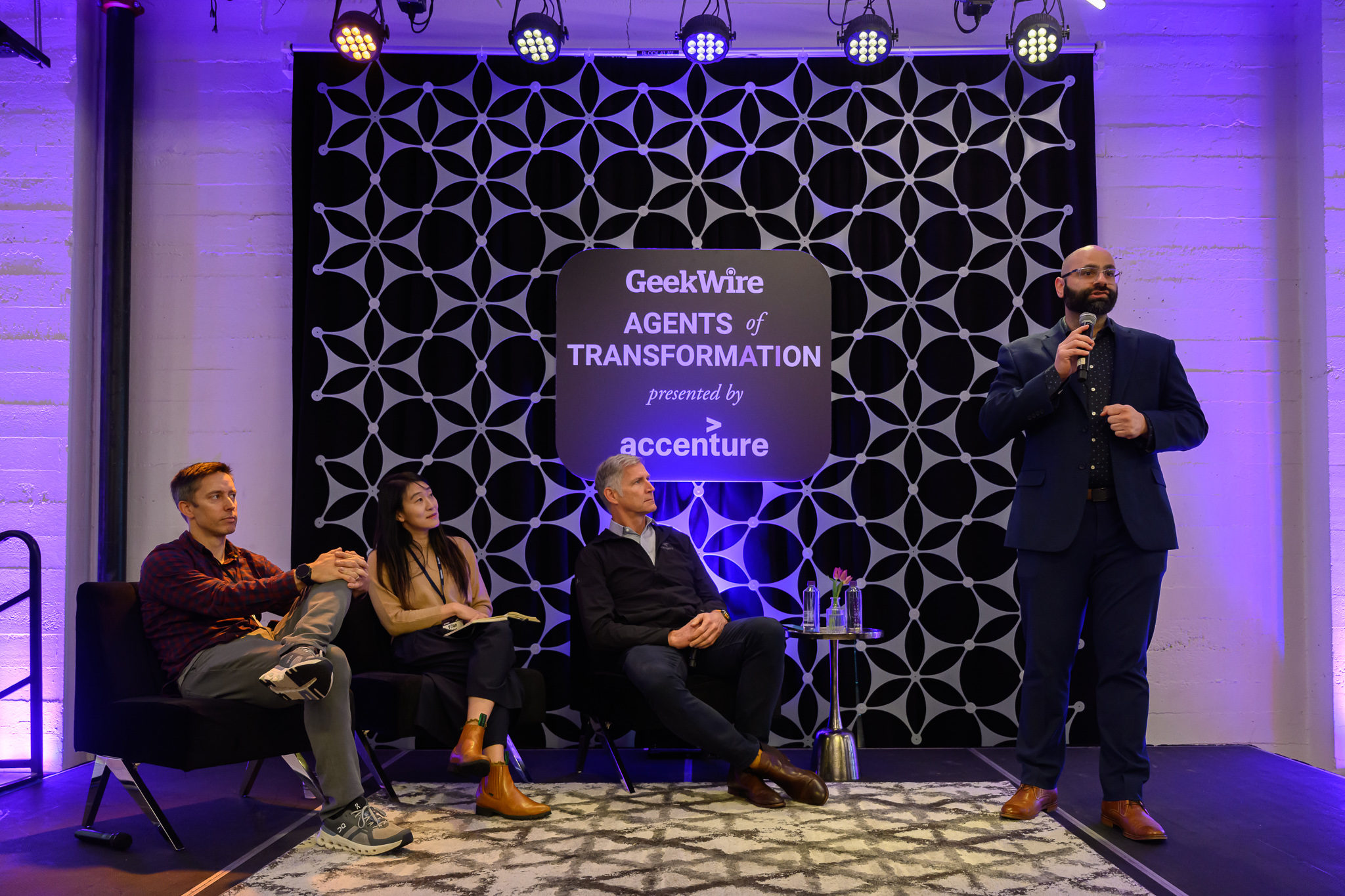
In the bustling heart of Seattle, where coffee-fueled innovation meets the relentless pulse of tech culture, GeekWire’s Agents of Transformation event unfolded like a high-stakes theater of dreams. It was Tuesday, and four intrepid startup founders had gathered not just to pitch ideas, but to bare their souls under the unforgiving glow of stage lights. Big Tech giants might dominate headlines with their AI empires, but here, in this intimate yet electric atmosphere, the underdogs were clawing for attention. Picture the scene: a crowd of eager onlookers, judges scribbling notes like seasoned detectives, and the founders themselves—nervous, poised, human in their vulnerability. David Tepper of Pay-i would later take home the win, but in that moment, it felt like anyone’s game. The pitches came fast and furious, each one a testament to the ingenuity bubbling up from garages and late-night brainstorming sessions. Judges Bryan Hale from Anthos Capital, Yifan Zhang from AI House, and T.A. McCann from Pioneer Square Labs watched closely, not just for flashy presentations, but for the raw ability to pivot under questioning. They sought that rare spark: someone who could dazzle with eloquence and crush doubts with quick wit. As the emcee kicked things off, the room hummed with anticipation, a reminder that in the AI world, ROI isn’t just a buzzword—it’s the lifeline keeping these ventures afloat. One founder quipped about the “three letters that spell survival,” echoing the nervous laughter of an audience that knew too well the highs and lows of chasing the next unicorn. It was personal here; these weren’t faceless corporations, but passionate individuals pouring their heart into ventures that could reshape workplaces, data centers, and daily lives. The energy was palpable, a mix of excitement and edge-of-your-seat tension, as if the very fabric of innovation was unfolding before us all.
David Tepper stood tall at the podium, his eyes reflecting the fire of a man who’d lived the spreadsheet nightmares of AI budgeting. Pay-i, his brainchild, wasn’t just another tool—it was a lifeline for enterprises drowning in AI expenses. Imagine tracking not just the flashy “tokens,” as Tepper explained, but the entire iceberg: models that multiply like rabbits, enterprise discounts that twist in complexity, and rented GPU banks that suck up budgets like thirsty giants. Tokens? They accounted for a mere 72% of costs, he argued, the complexity exploding when agents juggled multiple systems at once. Drawing from his own war stories at Microsoft, where he once slashed $300,000 a week from a division’s spend by simply asking pointed questions—perhaps probing why they were overpaying for unnecessary GPU hours—Tepper knew the pain points intimately. His pitch resonated because it was real, born from Excel hell-turned-epiphany. Targeted at big spenders shelling out over $500,000 annually on AI, Pay-i promised clarity in the chaos. “After all the hype and FOMO fades,” he declared with the fervor of a prophet, “ROI is what endures.” The crowd leaned in; here was a founder who spoke their language, who understood that in the AI gold rush, waste is the silent killer. Under judge scrutiny, Tepper held his ground, turning questions into opportunities, his storytelling hinting at late nights refining the platform. It wasn’t polished perfection, but honest hustle, making viewers root for him as a relatable hero in the innovation saga.
Switching gears, Ana-Maria Constantin took the stage with a grace that disarmed the room, her voice carrying the weight of untold HR dilemmas. Cascade AI wasn’t about flashy tech; it was about human souls in the workplace. As co-founder and CEO, she opened with a simple plea: raise your hand if you’ve ever hesitated to approach HR, wondering if they’d truly have your back. Hands shot up across the audience—senior leaders, tech moguls, all confessing to that universal anxiety. “Imagine if even people like this feel that way,” she said, gesturing to the crowd of high-flyers. “Now picture the regular employees—the ones fueling our companies. That’s the chasm we’re bridging.” Cascade’s platform deployed AI agents for the most sensitive HR tasks: navigating benefits mazes, connecting to mental health resources, managing leave without judgment. These bots worked 24/7, confidentially, liberating overworked HR teams to focus on the nuanced, human elements that machines couldn’t touch—like empathy in crises or strategic planning. Constantin’s pitch felt like a therapy session for the collective tech psyche, humanizing AI as a supportive ally rather than a replacement. Judges grilled her on privacy and ethics, and she navigated deftly, sharing anecdotes of early adopters who reported smoother team dynamics. It was vulnerability on display: a woman who knew the pain of isolation in the workforce, turning it into a force for good. By the end, she had the room nodding in agreement, reminded that AI’s true power lies in amplifying humanity, not overshadowing it.
Meanwhile, Roshnee Sharma burst onto the scene like a whirlwind, challenging the status quo with her Autessa platform. Forget “Software as a Service,” she declared, rallying the crowd with playful enthusiasm—what if it was “Software as a Spend”? The room erupted in laughter and nods, because every entrepreneur has winced at bloated SaaS bills. Autessa flips the script: instead of generic tools, it crafts custom software powered by “AI employees”—intelligent agents handling grunt work like lead qualification or order processing. Targeted at mid-market businesses rocking $20 to $500 million in revenue, these digital workers came cheap—about $7 to $10 each, a steal compared to hiring live bodies. Sharma’s demo was interactive, pulling audience members into the fray, making it feel collaborative rather than corporate. But judges pushed back hard: was this real savings or just cost-neutral? She fired back passionately, arguing it wasn’t about layoffs but empowerment. “We didn’t fire people; we let them do more of what they love,” she insisted, evoking visions of overloaded teams reclaiming their passion projects. It was a rebuttal grounded in real-world triumphs, like a client freeing up humans for creative roles while bots churned through the mundane. Sharma’s energy was infectious, her pitch a human story of disruption and redemption, proving AI could be the great enabler rather than the villain. As questions flew, she adapted, her confidence belying the hours of testing behind it, leaving viewers inspired to rethink their own tech stacks.
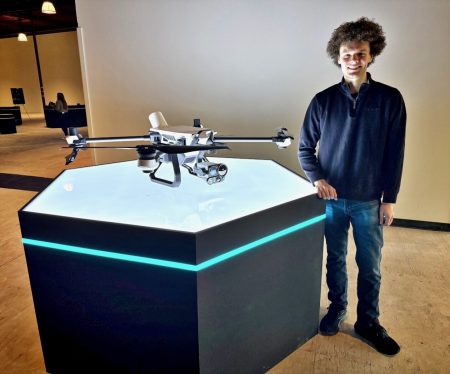
Then came Manfred Markevitch of GemaTEG, the outlier in this AI-centric lineup, reminding everyone that innovation transcends software. His hardware pitch was a splash of cold water on overheated ambitions, quite literally. Data centers, he proclaimed, are AI’s backbone—consuming a million gallons of water daily in massive setups. GemaTEG’s solid-state cooling tech? A revolution: no water needed, 40% less power, cooling at the chip level for pinpoint efficiency. Twice the performance per watt, as he boasted, with installs already humming at the U.S. Department of Energy and partners in Italy and Switzerland. Markevitch’s demo was dramatic—a mock-up of a data center chip, the kind that sparks literal fires in lesser systems. “AI runs on hardware, not just software,” he implored, his European accent adding charm to the urgency. Judges hammered on lock-in risks, questioning if enterprises would get stuck—would they regret choosing this over conventional options? He countered with the allure of Intel’s “Inside” stickiness: once integrated, it endures across chip generations, a built-in advantage. It was a pitch of foresight, warning of an AI future crippled by invisible inefficiencies like cooling woes. Markevitch’s personal touch shone through—tales of engineering battles, partnerships forged in industrial trenches—making him the underdog with depth. As hyperscaler deals loomed in one to two years, his message lingered: true innovation prizes the whole machine, not just the flashy brain.
Wrapping up the whirlwind, the judges deliberated amid the buzz, their critiques the evening’s crescendo. Pay-i’s David Tepper clinched the crown as the most impressive under fire, a nod to his seamless blend of presentation prowess and question-crushing acumen. Yet, each pitch echoed broader truths: Fortune favors the fearless innovators willing to humanize technology. From Tepper’s ROI vigilance to Constantin’s empathy engines, Sharma’s workforce liberators, and Markevitch’s chip-level revolutions, these founders weren’t just selling products—they were narrating futures where AI serves humanity. The crowd dispersed energized, whispers of collaboration floating like post-event mist. In Seattle’s tech heartbeat, events like this remind us: AI isn’t a distant marvel; it’s the tool reshaping our workplaces, efficiencies, and even our vulnerabilities. These were more than pitches; they were prayers for a better balance, cautionary tales of hype-fueled pitfalls, and hopeful visions of AI as a partner, not a tyrant. As Big Tech looms large, it’s these scrappy voices that keep the conversation real, pushing boundaries while grounding them in the messy beauty of human endeavor. In the end, ROI might be eternal, but so is the spark of inspired minds turning ideas into reality—one pitch, one question, one breakthrough at a time. The agents of transformation had spoken, leaving us all a little changed, a little more hopeful, in the ever-evolving dance of progress.