



Orbital Teamwork: Starfish Space and Impulse Space Make History with Satellite Rendezvous
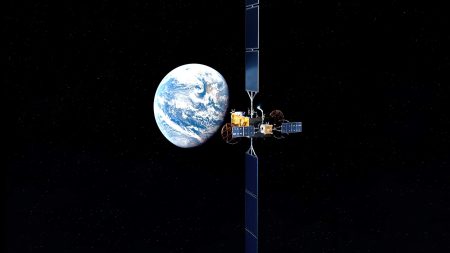
In a groundbreaking demonstration of space technology, Tukwila, Washington-based Starfish Space and California-based Impulse Space have successfully completed a satellite rendezvous operation that could reshape the future of spacecraft interaction. The mission, code-named “Remora” after the fish known for attaching itself to other marine animals, marks a significant milestone in autonomous space operations. After maintaining secrecy until confirming their success, the companies revealed that they had effectively handed control of an Impulse Space Mira spacecraft to Starfish’s guidance and navigation system, allowing it to perform complex proximity maneuvers autonomously. This achievement, which builds upon Impulse Space’s LEO Express 2 mission launched in January, demonstrates that existing spacecraft can be equipped with advanced navigation capabilities without requiring specialized design—potentially democratizing technologies previously limited to highly specialized vehicles.
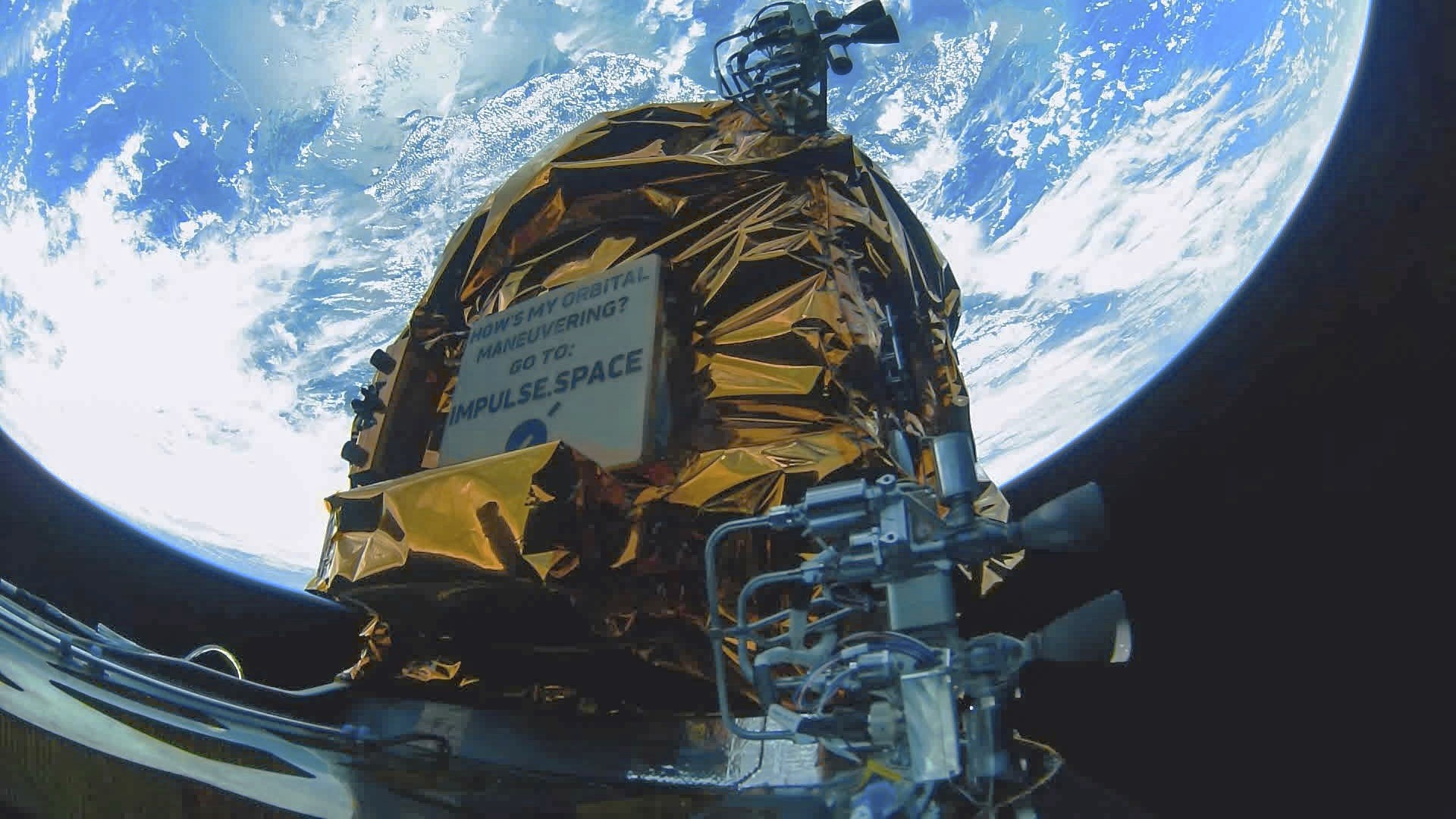
The technical accomplishment behind Operation Remora lies in its innovative approach to spacecraft control. After Impulse’s Mira spacecraft completed its primary satellite deployment tasks for the LEO Express 2 mission, a peripheral flight computer loaded with Starfish’s Cetacean and Cephalopod software took command. Using only a single lightweight camera system provided by TRL11, the spacecraft autonomously navigated from approximately 100 kilometers away to within 1,200 meters of another Mira satellite from a previous mission. “Remora became definitely a first for us,” explained Starfish co-founder Trevor Bennett, “in terms of being able to allow a whole new vehicle platform to autonomously do this full mission, all the way in and through. Basically, we had no operator commands necessary for the vehicle to fly itself all the way down to 1,200 meters, take a bunch of pictures and then autonomously egress back out to further distances.” This hands-off approach represents a significant advance in space autonomy, with the software processing camera imagery to generate position estimates, compute optimal orbital trajectories, and command thruster firings with precision.
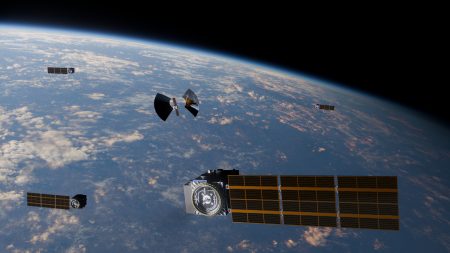
The demonstration carries profound implications for both companies’ business models and the broader space industry. For Starfish, which is developing its own “Otter” spacecraft designed specifically for rendezvous and proximity operations (RPO), the success proves their navigation software can function on third-party hardware—potentially opening entirely new markets. “What we’re trying to show is that you don’t have to design a vehicle just for RPO and docking,” Bennett said. “You can design the vehicle for the core mission that it needs to do in addition to that… What we’re trying to do is remove this high barrier to having RPO and docking be a mainstay in our industry.” This approach could dramatically lower the entry barriers for companies wanting to add rendezvous capabilities to their missions without designing entirely new spacecraft from scratch—a development that could accelerate the growth of the in-space servicing economy.
For Impulse Space, the demonstration addressed key questions potential customers had raised about their high-thrust chemical propulsion system. As Eric Romo, president and chief operating officer of Impulse Space, explained: “Our Mira spacecraft uses high-thrust chemical propulsion, and what that means is, we’re typically pretty good at moving really quickly between two points in space.” However, some clients had expressed concerns about whether such a powerful system could maintain the precision required for close-proximity operations. The Remora mission effectively dispelled these doubts, proving that Mira “has the commandability and the controllability you need to do this type of proximity operation.” By demonstrating that there’s no necessary trade-off between speed and accuracy, Impulse has enhanced the marketability of their spacecraft for missions that might involve rendezvous maneuvers, potentially expanding their customer base.
The collaborative spirit between these two innovative space companies highlights a growing trend toward partnerships in the increasingly complex orbital environment. Neither company views their work together as a one-time experiment—both see potential for ongoing collaboration. “For us, the path forward is to pull it away from just a pure demonstration mission to a truly day-to-day capability that we rely on and build on,” Bennett noted. “We’re very fortunate that Impulse was our partner up to this point, and I think there are plenty of opportunities for us to be partners going forward.” This mindset reflects the realization among New Space companies that specialized expertise can be combined to create more capable and versatile space systems, addressing the diverse and evolving needs of government and commercial customers more effectively than any single approach could achieve alone.
Meanwhile, both companies continue advancing their individual agendas alongside this collaborative success. Starfish Space is currently conducting its Otter Pup 2 test mission launched in June and has secured contracts for three full-scale Otter missions with NASA, the U.S. Space Force, and satellite company SES (which acquired Intelsat) scheduled for 2026-2027. These missions will likely build upon the lessons learned from Operation Remora as Starfish refines its approach to autonomous rendezvous operations. Impulse Space similarly maintains momentum with its third Mira spacecraft launched last month for the LEO Express 3 mission, while pursuing ambitious future goals that include a high-precision proximity operations mission in geosynchronous orbit planned with defense technology company Anduril for 2026, and longer-term aspirations to transport medium-sized payloads to the lunar surface. Together, these parallel development paths showcase how tactical collaborations like Remora can enhance rather than detract from companies’ strategic visions, creating a more robust and innovative orbital ecosystem that benefits the entire space industry.