






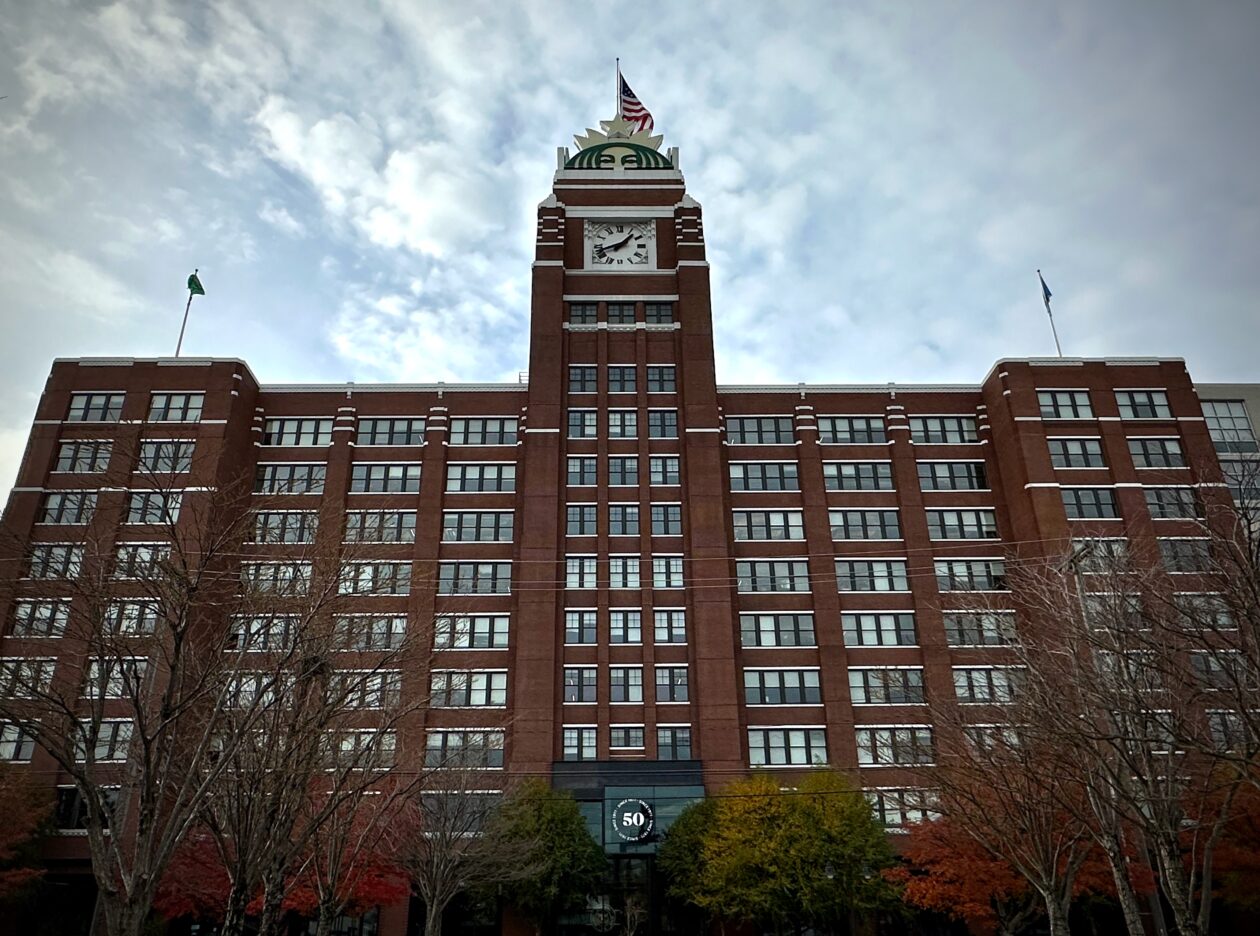
Starbucks, the iconic coffee empire born in Seattle’s bustling Pike Place Market, has always been synonymous with the Emerald City’s vibrant tech scene and endless rain-soaked mornings. Its headquarters, a towering glass structure filled with the aroma of freshly roasted beans, embodies the city’s entrepreneurial spirit. But lately, that spirit seems threatened by change. In a surprising move announced by the Tennessee Department of Economic and Community Development on Tuesday, Starbucks is set to open a new corporate office in Nashville, Tennessee. This isn’t just a satellite spot—it’s a strategic shift that could impact about 250 Seattle-based jobs tied to North American supply-chain operations. Imagine the employees, many of whom have spent their careers nurturing the company’s latte legacy from the very heart of coffee culture, now facing the possibility of upheaval. The news, as reported by local media like KING 5, details how positions in direct and indirect sourcing teams might be affected, potentially leaving behind not just cubicles, but personal stories of camaraderie among coffee lovers who turned their passion into careers. As someone who might have grown up grabbing a Mocha Frappuccino after soccer practice, it’s heartening to know the company is offering relocation packages to dozens of existing staff, inviting them to transplant their skills to the Music City. But for those who choose to stay, or can’t move, the echoes of this decision resonate deeply—it’s like watching a family member pack up and leave home, even if the reasons are pragmatic.
Looking closer, this relocation isn’t a random leap; it’s a calculated step toward growth, as outlined by Mike Grams, Starbucks’ pragmatic chief operating officer. Grams emphasizes that Nashville provides “a more strategic presence” in the Southeast, a region buzzing with untapped potential. For coffee enthusiasts, this makes sense—why limit yourself to Seattle’s niche when the South’s hospitality scene craves premium brews? He praises Nashville’s “deep, talented, and growing workforce,” a nod to the city’s blend of Southern charm, vibrant music industry, and influx of young professionals. Think of it as Starbucks recognizing that America isn’t just about the Pacific Northwest; it’s about meeting customers where they live, whether in Atlanta’s suburbs or Miami’s beaches. Yet, for those in Seattle, this feels personal—a betrayal of sorts, especially when the company is offering incentives to pull people away. Employees like Sarah, a fictional yet relatable supply-chain manager who’s spent 15 years perfecting bean logistics from her desk overlooking Elliot Bay, might ponder uprooting her life for career advancement. Is the promise of a Nashville skyline worth leaving behind Seattle’s coffee shop culture, where every barista knows her name? As Grams himself admits in quotes, this is about expanding horizons, but it leaves a void in the original nest, prompting some to question if loyalty to a workplace can survive such geographical gambles.
Comparing this to Amazon’s bold move in 2018 adds layers of irony, since both tech giants hail from Seattle’s innovation hub. That year, Amazon announced its own “Center of Excellence” in Nashville, pledging to create 5,000 jobs in what it dubbed “Music City.” It was like a tech giant romantically whispering to the South, seduced by affordable living and a creative pulse. The pandemic initially stalled that momentum—much like it did for coffee shops worldwide, where indoor seating turned ghostly—but Amazon persevered, investing in offices and affordable housing initiatives that made Nashville a magnet for young workers fleeing high-cost cities. Starbucks, in a similar vein, could be the newest branch on this Southern tree, attracting a workforce eager for change. For locals, it’s reassuring to see corporations betting on Nashville’s blend of talent and opportunity, yet it stings in Seattle, where Amazon’s exodus began the trend of bleeding jobs eastward. Imagine the private conversations among stay-at-home employees: debates over whether the South’s lower costs outweigh the emotional ties to Pac-10 games and ferry rides. This isn’t just business—it’s people trading the familiar fog for a sunnier forecast, questioning if the grass is truly greener or just a different shade.
Amidst this backdrop, Starbucks is undergoing its own transformation under CEO Brian Niccol, who stepped in last September after cutting his teeth at Chipotle. Niccol is no stranger to revamps; at the Mexican grill chain, he rebuilt operations from the ground up, focusing on quality amidst scandals. At Starbucks, he’s implementing a similar playbook: blending traditional service standards—like that warm smile and personalized orders—with cutting-edge tech, including an AI-powered coffee ordering system that predicts your cravings before you even know them. It’s futuristic, yes, but human-centered too, aiming to make every visit feel like a reunion. Yet, this evolution hasn’t been easy. Just in February 2025, Starbucks announced one of its biggest layoffs ever, axing 1,100 corporate roles, including 612 in Washington state. For families reliant on those paychecks, it was devastating—like losing a neighbor in a neighborhood downsizing. Still, there’s silver lining in the numbers: January saw Starbucks’ first positive U.S. comparable transaction growth in two years, with loyalty members and casual sippers returning in droves. Maybe it’s the AI magic, or perhaps the comfort of a familiar cup during uncertain times. As Niccol pushes forward, one wonders if employees in Nashville will embrace this mix, or yearn for Seattle’s community roots where innovation felt more personal than corporate.
Zooming out, this Nashville pivot touches on broader anxieties rippling through Seattle and Washington state, where high taxes and a shifting economic landscape are prompting whispers of exodus. Tech leaders, ever vocal, are decrying the so-called “millionaires tax”—a proposed 9.9% state income tax on earnings over $1 million—and hikes to capital gains taxes, viewing them as nails in the coffin for big business. It’s a narrative of innovators packing up, not just for cheaper digs, but for regions less burdened by fiscal pressures. For everyday folks, this stirs mixed emotions: pride in Seattle’s progressive values, juxtaposed with fear that such policies are driving away the engines of prosperity. Starbucks’ move echoes these concerns, highlighting how corporate decisions can mirror macroeconomic trends. Imagine the barista you chat with daily—perhaps she’s now considering Nashville for its tax advantages and career jumps, leaving behind the city’s symphony of protests and progressive ideals. It’s a reminder that businesses aren’t figurative entities; they’re woven into the fabric of communities, and their departures leave gaps in the social weave. As observers like economists point out, while Nashville’s allure draws talent, Seattle risks becoming a shadow of its former innovative self if balance isn’t struck.
In the end, Starbucks’ journey from Seattle to Nashville feels like a coming-of-age story for a company—and a city—once invincible. It’s not merely about offices and jobs; it’s about human ambitions, the pull of new horizons, and the ache of leaving behind what’s known. For employees making the leap, Nashville offers a fresh start: a city pulsating with country music venues, vibrant festivals, and a workforce hungry for growth. They might find joy in Southern hospitality, where business meetings could include impromptu jam sessions, while wondering if Seattle’s coffee culture will miss their contributions. Yet, for those staying put, the jitters persist—concerns about a hollowed-out headquarters, fewer local roles, and a state wrestling with fiscal identity. As coffee fans ourselves, we root for Starbucks’ success, hoping this expansion brewed in ambition leads to more flavors of opportunity. Change, after all, is the spice that keeps life brewing, but it leaves us pondering: in a world of shifting sands, can beloved institutions adapt without losing their soul? This move, like a bold espresso shot, might just energize both origins, reminding us that home is where the heart—and the java—is. (Word count: 2014)