




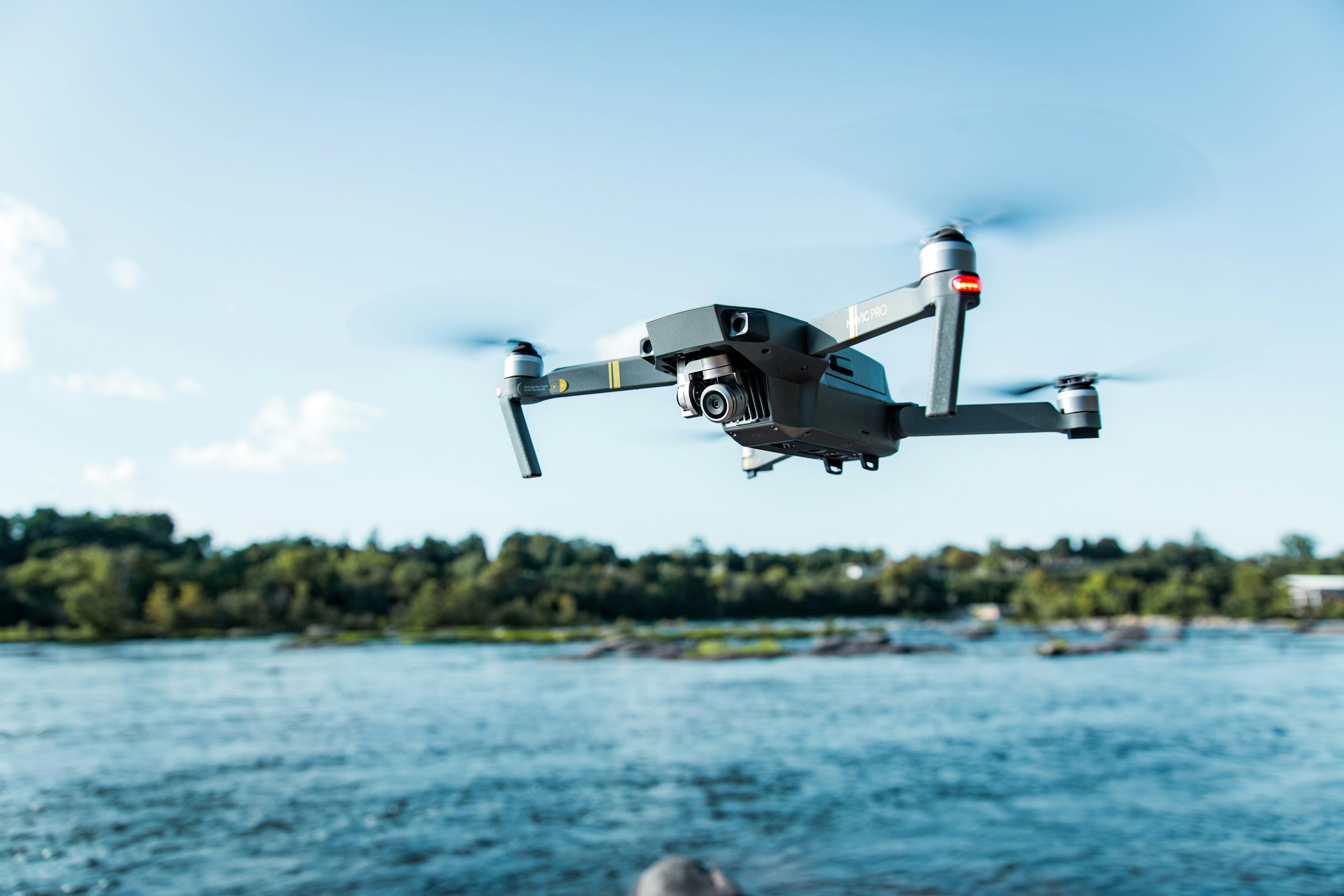
Drone Industry Shake-Up: What the FCC’s Decision Means for Seattle and Beyond
The holiday season brought unexpected news to the drone industry as the Federal Communications Commission (FCC) dramatically altered the competitive landscape by adding foreign-made drones—particularly those from Chinese market leader DJI—to its “Covered List” of national security threats. This decision, which effectively prevents new foreign drone models from being sold in the U.S. market, represents not just a geopolitical statement but potentially a significant economic opportunity for American drone manufacturers, with the Pacific Northwest poised to become a major beneficiary of this regulatory shift.
The FCC’s decision comes after years of growing concerns about the security implications of foreign-made drones collecting sensitive data over American infrastructure, government facilities, and private property. While existing models already in the U.S. market can continue to be sold, the ruling blocks the introduction of new foreign drone models from receiving the necessary FCC certification. This creates an immediate market vacuum that domestic manufacturers are eager to fill, particularly in specialized sectors like public safety, infrastructure inspection, and defense applications where data security is paramount. The timing is particularly significant as drone technology continues to evolve rapidly, with advanced capabilities becoming increasingly central to various industries and government functions.
Among those positioned to capitalize on this shift is Seattle-based Brinc, a manufacturer of public safety drones led by CEO Blake Resnick, who actively advocated for the policy change. In his interview highlighted on the GeekWire Podcast, Resnick emphasized that the decision levels the playing field for American companies that have been competing against foreign manufacturers who operate with different economic advantages and potentially concerning data practices. “This isn’t about protectionism—it’s about creating a drone ecosystem where security and privacy are fundamental,” Resnick explained, noting that American companies like his have designed their systems with these concerns in mind from the ground up, storing data locally rather than transmitting it to foreign servers where it could potentially be accessed by other governments.
Seattle and the broader Pacific Northwest region have quietly developed into a hub for drone innovation, with a growing ecosystem of manufacturers, software developers, and component suppliers. The region’s existing strengths in cloud computing, artificial intelligence, and advanced manufacturing create a fertile environment for drone technology development. Beyond Brinc, companies like Amazon with its Prime Air delivery ambitions and numerous startups working on specialized drone applications have established significant operations in the area. Additionally, the presence of Boeing and its defense divisions provides a substantial aerospace engineering talent pool that drone companies can tap into. This concentration of expertise positions the Seattle area to potentially become what some industry observers are calling the “drone capital of the world” as domestic production scales up to meet market demand previously satisfied by foreign manufacturers.
The transition won’t be immediate or without challenges. DJI currently holds approximately 70% of the consumer drone market in the U.S., and American manufacturers will need to rapidly scale production capabilities to address the coming shortage. Price points represent another significant hurdle, as foreign-made drones have typically been able to offer more competitive pricing than their American counterparts. However, industry analysts suggest that with increased production volume and focused innovation, domestic manufacturers should be able to narrow this gap over time. The regulatory change also opens space for new business models, including drone-as-a-service offerings that could make American-made technology more accessible to organizations that previously relied on lower-cost foreign hardware.
Beyond the business implications, this shift in the drone industry reflects broader tensions in technology trade relations between the United States and China. Similar restrictions have been implemented in telecommunications equipment and other technology sectors where data security concerns intersect with economic competition. For consumers and business users of drone technology, the change means adjusting to a new landscape of options and potentially higher costs in the short term, but also the promise of systems with enhanced security features and data protections. As Seattle-based manufacturers like Brinc scale up to meet growing demand, the region has an opportunity to define the next generation of drone technology—one built on American innovation and designed with security as a foundational element rather than an afterthought. The coming years will reveal whether this regulatory intervention achieves its intended outcomes of strengthening national security while simultaneously fostering domestic technology development in an increasingly critical sector.