



Data Centers and Electricity Bills: The Energy Debate Behind AI’s Expansion
In a time when household expenses are climbing across the board, a new debate is emerging about who should bear the costs of powering our digital future. Three Democratic senators—Elizabeth Warren of Massachusetts, Chris Van Hollen of Maryland, and Richard Blumenthal of Connecticut—recently launched an investigation into whether tech giants’ growing artificial intelligence operations are inadvertently driving up residential electricity bills. Meanwhile, Amazon has released research suggesting that in some cases, tech companies may actually be subsidizing other electricity users rather than the other way around.
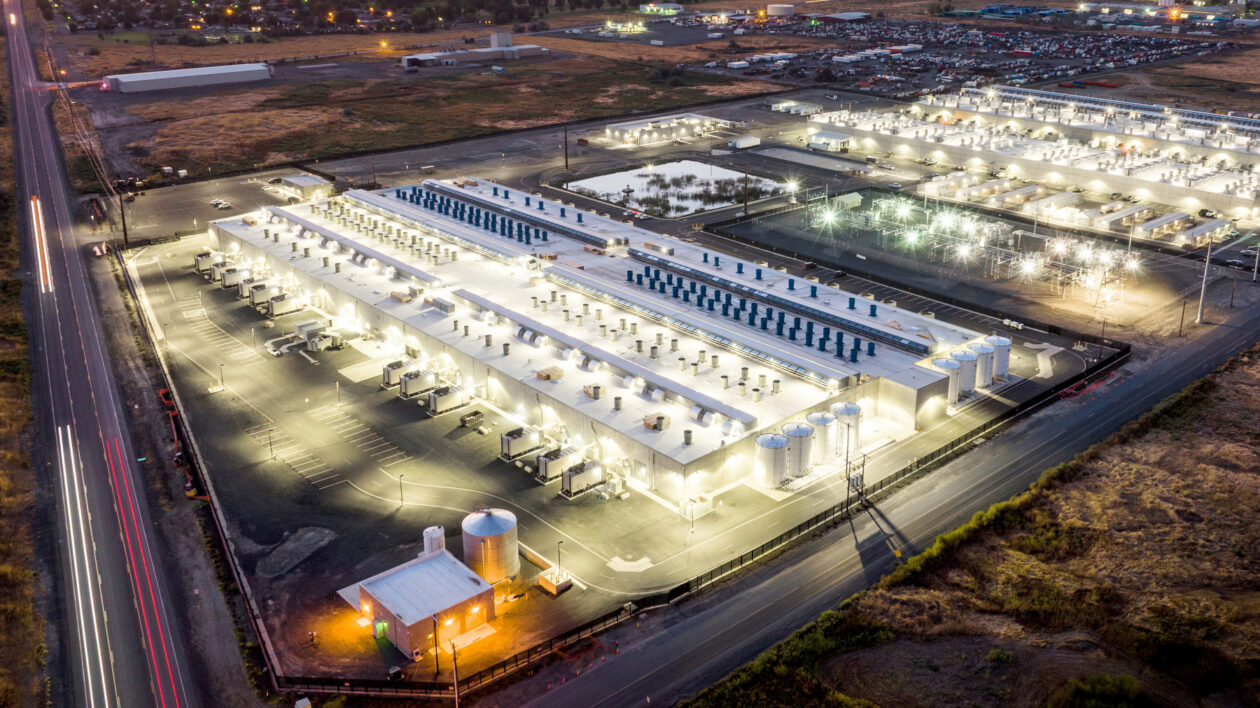
At the heart of the issue is the explosive growth of data centers—the massive facilities that house the computing power behind our digital lives and, increasingly, artificial intelligence systems. The Department of Energy projects that data center energy consumption, which already accounts for more than 4% of U.S. electricity use, could triple by 2028. This growth is driven by staggering investments from tech giants: Amazon and Microsoft each reported nearly $35 billion in capital expenditures in the third quarter of 2025 alone, with much of that money going toward data center infrastructure. The rapid expansion of AI, which requires significant computing power, has further accelerated energy demands, raising questions about who ultimately pays for the necessary grid upgrades and new power generation.
In their investigation, the senators expressed concern that “tech companies are passing on the costs of building and operating their data centers to ordinary Americans,” citing “alarming reports” that “AI data centers’ energy usage has caused residential electricity bills to skyrocket in nearby communities.” They’ve sent inquiry letters to Amazon, Microsoft, Google, Meta, and three data center firms seeking information about how these companies’ operations affect local power infrastructure and costs. The senators’ investigation follows a similar inquiry launched in October by 20 U.S. representatives, including Washington’s Kim Schrier and Adam Smith and Oregon’s Andrea Salinas, who asked federal regulators and industry groups about data centers’ impact on residential power bills.
Amazon, however, presents a different perspective through a newly released white paper. The company commissioned E3, an independent economic consulting firm, to analyze how large energy loads from data centers affect electric utilities. Looking at Amazon data center campuses in Oregon, California, and Mississippi, the study found that in some locations, Amazon actually pays more than is required to cover the utility impacts of its operations. According to the analysis, a typical 100-megawatt data center pays about $3.4 million beyond the costs associated with its electricity use, which include infrastructure upgrades, new energy generation, operations, and maintenance. This surplus, Amazon argues, can be used by utilities “to reduce rates for other ratepayers,” though the paper acknowledges that “how this potential benefit is realized will differ across jurisdictions.”
The Amazon-funded study suggests that this beneficial arrangement could continue through 2030, though it cautions that utilities will need to adjust their rates over time “to ensure that ratepayers are not subsidizing tech operations.” The white paper emphasizes that “to continue to prevent cross-subsidization, utilities must keep pace and leverage the full range of tools available to them to mitigate these risks.” Beyond their direct electricity payments, tech companies are also investing heavily in renewable energy sources, with major commitments to wind and solar power projects, energy storage solutions, and even exploration of nuclear options to power their expanding operations.
As the investigations proceed, it’s clear that assigning responsibility for rising electricity costs is anything but straightforward. While residential electricity costs nationwide have increased—more than 7% on average when comparing September rates to a year earlier—multiple factors beyond data center growth are at play. A recent peer-reviewed study identified inflation, fluctuating gas prices, and natural disasters such as hurricanes, storms, and wildfires as significant contributors to electricity price increases. As our society becomes increasingly digital and AI-dependent, finding the right balance in sharing the costs of powering this transformation remains a critical challenge. The outcome of these investigations could shape not only how we pay for electricity but also how we distribute the financial burden of technological advancement across society.