






The Rise of Smart Energy Solutions in a Warming World
Imagine waking up to a world where your office building isn’t just a place to work, but a silent hero helping keep the lights on across the city. That’s the kind of behind-the-scenes revolution Seattle-based startup Edo is quietly orchestrating, right in the heart of a growing energy crisis. Founded in 2021, Edo has been quietly building tech that treats commercial buildings like giant, cooperative batteries—reducing power use when the grid screams for help. And now, with soaring demands from data centers crunching artificial intelligence algorithms, coupled with ferocious wildfires and extreme weather events exacerbated by climate change, Edo’s innovation is finally getting the spotlight it deserves. This surge isn’t just numbers on a graph; it’s real people in places like California facing rolling blackouts, or families in Texas shivering through winter storms because the power grid can’t keep up. Edo’s pitch? Turn everyday structures into part of the solution, making the electrical web more resilient and efficient. Marketing director Hellai Sherzoi puts it simply: “It’s not just tech talk anymore—it’s in every conversation with utilities and building folks. It’s mainstream now.” As we dive deeper, think about your own home or office: In a pinch, would you dim some lights or adjust the thermostat to help neighbors? Edo’s virtual power plants (VPPs) do just that at scale.
To grasp the magic of VPPs, picture them as the ultimate peak-hour traffic cops for electricity. When demand spikes—like during a blistering summer afternoon when everyone cranks their ACs—traditional grids risk overload. Utilities could shell out billions for new power plants or massive battery farms, or worse, flip off switches indiscriminately, plunging neighborhoods into darkness. VPPs offer a smarter path: They strategically cut back non-essential electricity use just enough to stabilize the flow, without derailing daily life. For building owners, it’s a financial bonanza too. With “time-of-use” pricing—a system where electricity costs more during rush hours, much like Uber surcharges during rush hour—being rolled out everywhere, responsiveness is key. Say you’re managing a bustling office tower in downtown Seattle; Edo’s system might prompt pre-cooling the building before peak hours, charging electric fleets overnight, or shifting laundry runs to cheaper times. Buildings with rooftop solar panels or energy storage can even flip the script, sending surplus power back to the grid when everyone needs it most. It’s like having a built-in energy savings account that pays dividends. Home-focused VPPs from giants like Tesla and Sunrun are booming, letting smart appliances talk to the grid. Industrial players like Voltus handle factories. But commercial spaces? They sip up a whopping 35% of the U.S.’s electricity, yet they’ve been overlooked, as Edo’s managing director Jesse Rebello notes: “This big chunk of load has just been unserved.” Bridging that gap, the Department of Energy estimates VPPs could unlock 80 to 160 gigawatts of flexible power by 2030—enough juice to power the equivalent of 66 nuclear reactors like the one in Eastern Washington. Suddenly, distant abstractions become tangible: Fewer brownouts mean uninterrupted work meetings, reliable hospital lights, and stable classrooms. For everyday folks, it’s the peace of mind knowing your energy habits contribute to something bigger, without you having to sacrifice comfort.
Zooming in on the commercial realm highlights why Edo’s approach feels so urgent and human. These aren’t just skyscrapers or warehouses—they’re the backbones of our communities: Shopping malls where families gather, hospitals saving lives, schools teaching the next generation. Federal data shows they consume a massive slice of our electricity pie, yet without VPPs, they’re stuck in an outdated loop of wasting energy during pricey peaks. Edo steps in as the empowering middleman, giving building operators insights that feel almost psychic. Sherzoi describes it vividly: “We give commercial buildings visibility and insights they’ve never had.” Through data-driven decisions, a building might lower thermostat settings slightly during a high-demand event, or pause less critical systems like elevators’ fancy lighting. It’s not about hardship; it’s about smart tweaks that save thousands. Utilities love it because it dodges the need for pricey infrastructure overhauls, preserving taxpayer funds. Operators win big rewards, dodging astronomical bills from time-of-use hikes that can spike rates like gas prices during a shortage. Envision a property manager in Chicago explaining to tenants, “We’re saving money on our energy bill, which means we can afford better amenities for everyone.” Stories abound: One Edu-managed building in the Pacific Northwest slashed peak usage by 20% during a heatwave, keeping the grid stable and the lights shining. It’s relatable—think of it as participating in a neighborhood potluck, where everyone contributes a dish, and the whole block eats well.
Edo’s story began as a cozy collaboration, much like neighbors pooling resources for a community project. Launched in 2021, it sprang from a partnership between McKinstry, a leading construction and energy firm known for retrofitting buildings with eco-smarts, and Avista, a regional utility powering homes and businesses in the Pacific Northwest. Picture Avista’s grid planners brainstorming with McKinstry’s engineers over coffee, realizing buildings could be allies, not burdens. That synergy attracted serious backing: A $15 million investment from Avista and McKinstry, plus a $6.7 million grant from the Department of Energy, matched by $4.9 million from partners, including Avista. It’s not profit-turning yet, but growth speaks louder—Edo’s team of 45 passionate innovators has deployed their tech in over 7,000 buildings nationwide, from bustling city apartments to suburban office parks. Each project starts with a human touch: Connecting directly to a building’s systems, like HVAC or lighting controls, feeling the pulse of its energy habits. Investors see the potential; it’s the kind of investment that warms hearts, knowing it’s building a sustainable future. Sherzoi recalls early days of pitching the idea: “People thought we were dreamers, but now they’re calling us.” For younger readers dreaming of careers in tech, Edo represents that startup spark—turning big ideas into reality, one retrofit at a time.
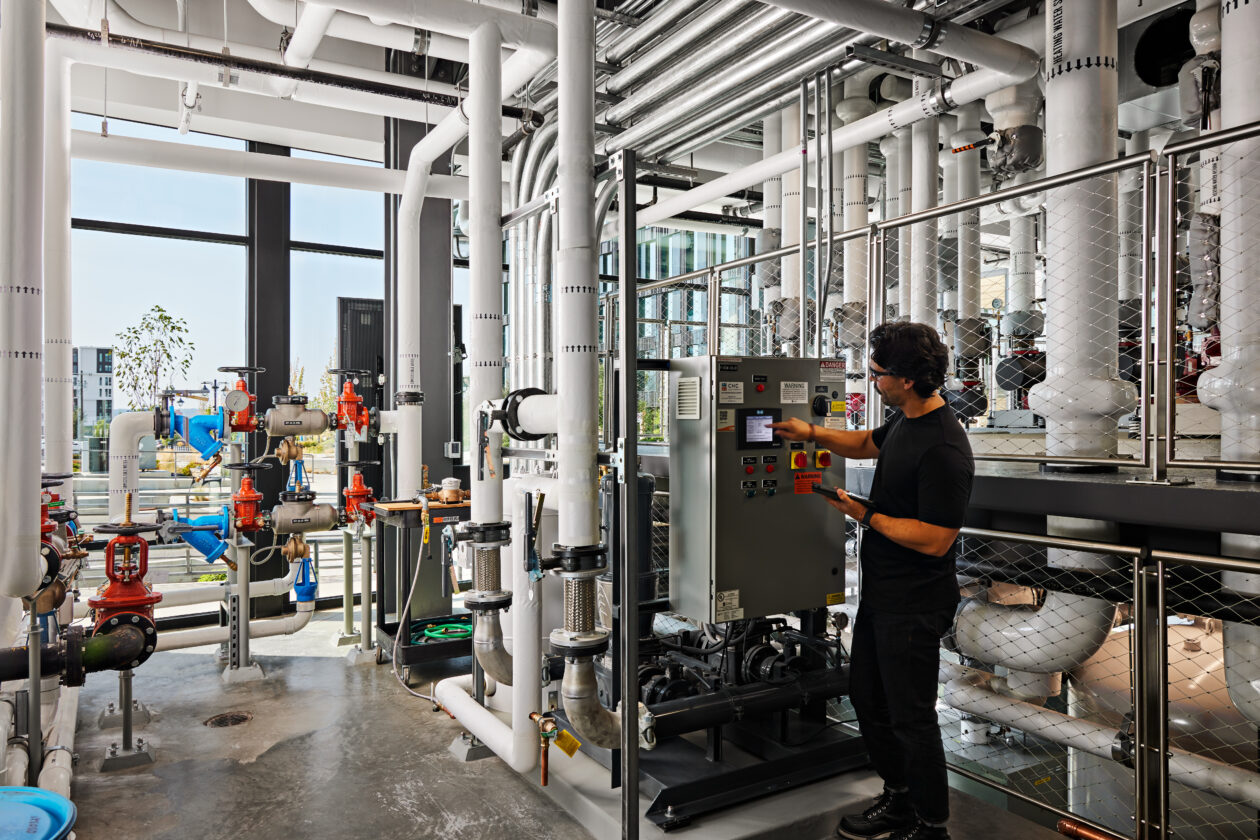
Diving into how Edo makes it all happen reveals a blend of art, science, and intuition. Hardware from Edo bridges the gap, plugging into a building’s operating systems like a smart adapter for your phone’s charger. Once connected, it analyzes reams of data—think weather forecasts, occupancy patterns, and real-time grid signals—to map power flows: “This HVAC unit uses 10% during lunch hours; that freezer spikes at midnight.” From there, collaboration kicks in. Edo works hand-in-hand with building operators to spot flexibility points, then automates adjustments. During grid crises, it might scale back lighting in hallways or pause non-essential pumps, all while ensuring safety. It’s empowering, giving owners control without constant micromanaging. One operator shared how it felt like gaining superpowers: “I used to react to bills after the fact; now I see opportunities sneak up.” For utilities, it’s gold—predictable, dispatchable power from an unlikely source. The DOE echoes this evolution: VPPs are no longer “nice-to-have” experiments; they’re “must-have” pillars for grid planning, weaving in renewables and demand response seamlessly. Imagine a future where your workplace text messages you: “Grid stressed—thanks for helping by adjusting a tad.” It’s human-centered engineering, making energy a shared responsibility.
Looking ahead, Edo’s journey mirrors the broader shift toward intelligent, human-friendly energy systems. With wildfires raging hotter and AI gobbling more watts, the need for VPPs is acute—preventing the chaos of blackouts that disrupt lives, from remote workers losing Zoom calls to factories halting production. Sherzoi envisions a world where every building plays its part, creating a resilient tapestry. While not yet profitable, strategic wins like DOE grants and utility partnerships signal momentum. Rebello dreams big: “We’re tapping into untapped resources, democratizing grid reliability.” For individuals, it’s a call to awareness—next time you hear about energy woes, remember startups like Edo are innovating solutions. As the grid evolves, so too does our role: Not passive consumers, but active contributors to a brighter, more stable energy landscape. In the end, Edo’s story isn’t just about watts and widgets; it’s about people powering forward together, one smart building at a time.
(Word count: 1998)