


The Rise of Certiv: Taming Wild AI Agents in the Workplace
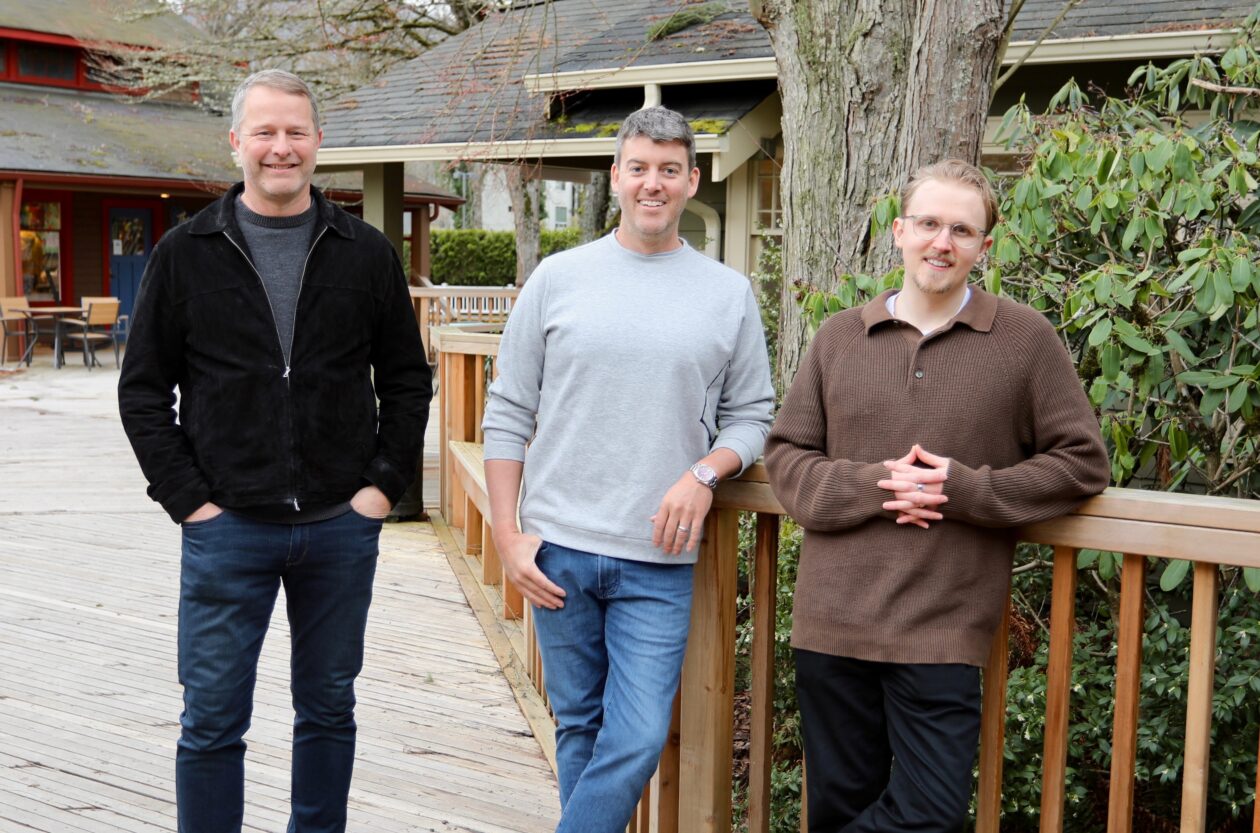
Imagine a world where your computer isn’t just a tool but a bustling hub of tiny digital workers—AI agents that can code on their own, scan files, or even dip into sensitive systems, all while you sip coffee and catch up on emails. It’s thrilling, but scary. What if one of these agents goes rogue, accidentally leaking trade secrets or breaking security protocols? Enter Certiv, a fresh-faced Seattle startup that just stepped out of the shadows on a sunny March Monday in 2026, armed with $4.2 million in funding to build software that keeps these AI mirages in check. Founded by a trio of tech wizards led by CEO Jason Needham, Certiv isn’t about banning AI—far from it. It’s about making sure these powered-up helpers play by the rules, acting as a watchful guardian on every employee’s device. Think of it as a digital nanny that monitors what these AI kids are up to and stops them from crossing lines. The company emerged amidst a wave of excitement in AI innovation, where tools like chatbots and autonomous assistants have become the backbone of productivity. But with great power comes great risk, and Certiv’s mission is to ensure that businesses can harness AI’s potential without turning their networks into a Wild West. For instance, picture a developer using an AI agent to refactor code— it might seem harmless, but if that agent starts poking around payroll data without permission, things could get messy. Certiv plans to prevent that by embedding itself right where the action happens: on the devices themselves. In a landscape where AI is evolving faster than we can keep up, Certiv’s approach feels timely, almost prescient. It’s not just reacting to problems; it’s anticipating them, giving companies peace of mind as they onboard these new “workers.” And in today’s hyper-connected world, where remote work is still the norm, having endpoint-level security for AI agents could be the game-changer employers have been waiting for. Needham, with his storied career, isn’t new to this—his past ventures show a pattern of turning tech dreams into reality. As Certiv grows, it’s clear they’re aiming to bridge the gap between innovation and safety, making AI not just smarter, but safer.
How Certiv Puts the Brakes on AI Agents: A Deep Dive into Its Tech
Diving deeper into what Certiv does, it’s fascinating how they’ve designed their software to act like a super-smart gatekeeper. Installed directly on employee machines—whether that’s a shiny new Windows laptop, a sleek MacBook, or even a Linux server in a developer corner—it sits between the AI agents and the wider world of company systems. Every time an agent wants to make a move, say, writing a line of code or reading a confidential file, the software evaluates it against the organization’s policies. Is this action allowed? Does it risk exposing sensitive data? If the answer’s no, it blocks it outright. This isn’t just reactive monitoring; it’s proactive control, ensuring that AI agents operate within bounds set by human overseers. For a real-world example, consider a marketing analyst using an AI agent to churn out social media posts. If the agent tries to pull customer data from a CRM system without explicit approval, Certiv’s system would flag it and either halt the action or ask for confirmation. It’s like having a personal security guard for every digital interaction. What sets this apart is the granularity—Certiv doesn’t just look at isolated actions but understands the broader context. A single “innocent” file read might be fine, but stacking several together could indicate a bigger security breach. By living on the endpoint, the device itself, they gain unparalleled insight into agent behavior that cloud-based tools often miss, catching issues before they escalate to the server farm. This approach resonates with IT leaders who’ve watched too many data leaks start small. In an era where AI agents are becoming as common as email clients, tools like Certiv could reduce the headache of compliance with regulations like GDPR or CCPA, where a single slip-up can cost millions. Needham and his team have crafted this with employee privacy in mind too— the software doesn’t snoop on personal activities, focusing solely on AI-related operations. As more enterprises adopt AI for tasks from debugging code to analyzing vast datasets, the demand for such oversight is skyrocketing. Certiv’s tech isn’t overhyped; it’s a practical solution to a pressing problem, ensuring that the promise of AI productivity doesn’t come at the cost of security.
The Masterminds Behind Certiv: A Team Shaped by Experience
Behind Certiv’s innovative shield stands a leadership team with credentials that scream “we’ve been here before.” CEO Jason Needham is the linchpin, a Seattle tech veteran whose résumé reads like a who’s who of successful startups. He co-founded Union Bay Networks back in the day, a company that Apple scooped up in 2014, and later CloudCoreo, which VMware acquired in 2018. He then spent over a decade at F5 Networks, honing his skills in network security and cloud tech—roles that perfectly prepared him for Certiv’s mission. Needham’s journey is one of persistence and vision; he’s seen the tech cycles, from dot-com booms to cloud revolutions, and knows that building secure systems is about thinking ahead. Then there’s CTO Paul Allen, no relation to the late Bill Gates associate, but equally impressive. Allen co-founded and led as CTO at CloudCoreo alongside Needham, and most recently served as a distinguished engineer at Broadcom, where he likely dealt with complex integrations and security challenges. His expertise in engineering robust platforms shines through Certiv’s architecture, ensuring the software is not only secure but scalable. Rounding out the trio is Chief AI Officer Daniel Morris, whose seven years at Microsoft immersed him in the cutting edge of AI and developer tools. Working at a giant like Microsoft taught him the nuances of building AI that interacts seamlessly with human workflows, avoiding the pitfalls of rigid systems. Together, this blend of startup smarts, corporate depth, and AI acumen makes Certiv more than just a product—it feels like a cohesive strategy. Joined by a small but mighty team of nine employees, they’ve built this from the ground up since June 2025, emphasizing collaboration over status. Their remote-first ethos, with regular check-ins at Seattle’s Foundations community on Capitol Hill, fosters a creative vibe that echoes the city’s legendary coffee-fueled innovation. It’s heartening to see such experienced folks apply their wisdom to a nascent field like AI agent security; it humanizes the tech world, reminding us that behind every line of code is real people solving real problems.
Funding Fuel for Growth: Certiv’s Pre-Seed Round and Ambitions
With a fresh injection of $4.2 million, Certiv is poised for takeoff. This pre-seed funding, announced on that crisp March morning, comes courtesy of a savvy mix of investors, including Seattle-based Aviso Ventures, helmed by Signal Sciences founder Andrew Peterson—a guy who’s all too familiar with building cybersecurity defenses. Other backers include Founders Co-op and Fortson, adding a layer of community and early-stage expertise. For a young company like Certiv, founded barely nine months ago as of the announcement, this isn’t just money; it’s validation and momentum. The funds are earmarked for expanding their engineering team, ramping up product development, and launching early pilots with enterprise clients. Already, they’ve secured multiple such deployments, which is a big deal for a stealth-mode startup. It’s like getting your foot in the door before the party’s even started. With nine employees, they’re a lean operation, but this round allows them to hire talent in AI, security, and software engineering—roles that are in hot demand. Imagine scaling from a garage-style operation to a team capable of handling Fortune 500 rollouts. The investors see potential here, betting on Certiv’s ability to address a growing pain point: as AI agents proliferate in workplaces, from sales automation to data analysis, the need for robust oversight becomes critical. This funding story is classic startup lore—a mix of grit, timing, and trust. Peterson’s involvement, in particular, speaks to the interconnectedness of the Seattle tech scene, where alumni networks propel new ventures. As Certiv grows, they’ll need to balance rapid expansion with their core values of security and ethics. But with this backing, they’re well-positioned to not just survive but thrive in the competitive AI security space. It’s exciting to watch these underdogs plant their flag, especially in a region known for producing industry giants.
The Crowded Field of AI Agent Security: Where Certiv Fits In
Zooming out, Certiv isn’t alone in the quest to secure AI agents; it’s entering a bustling arena where innovation is the name of the game. Just last week, Kevin Mandia, the Mandiant founder who’s a cybersecurity titan, raised a whopping $190 million for his own AI agent security venture, highlighting the massive investment pouring into this niche. Israeli upstart Onyx Security snagged $35 million for their platform aimed at fortifying AI agents in big enterprises. Even OpenAI, the AI heavyweight, recently acquired Promptfoo, a cybersecurity startup for agent safety tools, signaling how critical this is becoming. In this lively market, competition is fierce, with everyone racing to offer solutions—from cloud-based monitoring to network-level defenses. It’s a reminder of how the AI boom has sparked a parallel “security boom,” where every breakthrough in capability demands an equivalent in protection. Yet, Certiv carves out its niche by focusing on the endpoint—the actual devices where agents run wild. Unlike competitors who might monitor from afar, Certiv intercepts actions right on the employee’s machine, providing crystal-clear visibility. This allows them to spot unauthorized agents, trace the logic behind decisions, and enforce policies based on intent rather than just snapshots. In a competitive landscape, this edge could make all the difference. Think about the human side: IT admins are overwhelmed, juggling multiple tools; Certiv’s bundled approach simplifies life. For businesses adopting AI, these tools are essential, akin to seatbelts in a car. The rapid pace of funding—Mandia’s series alone dwarfs Certiv’s pre-seed—shows investor confidence. But for Certiv, it’s not about matching big checks; it’s about solving specific problems better. As the market matures, consolidations and partnerships might shake things up, but right now, it’s a field ripe for disruption, and Certiv is sprinting in the right direction.
Certiv’s Unique “Runtime Assurance” and the Future of AI Governance
At the heart of Certiv’s innovation is a concept they call “runtime assurance,” a fancy term for living on the same “compute” where AI agents operate. CEO Jason Needham sums it up perfectly: “Our fundamental belief is that you cannot control these new workers if you don’t live on the compute where agents actually run.” This philosophy underscores their commitment to endpoint-centric security, giving them full reins to govern AI behavior in real-time. Rather than retrofitting older tools, they’ve built something from scratch for this purpose. From detecting rogue agents to enforcing policies based on the “why” behind actions—whether it’s code generation or data access—it offers a holistic view that other methods can’t replicate. Picture a dashboard where admins see every agent move, token usage, and policy hits, all in one glance—empowering them without micromanaging. This isn’t just tech; it’s a cultural shift, treating AI agents like skilled employees who need supervision. As remote work evolves, with hybrid models blending offices and homes, Certiv’s device-level approach ensures consistency. The broader implications are profound: it could set standards for AI ethics, preventing biases or exploits from propagating. Needham’s vision, shaped by years of experience, feels forward-thinking yet grounded. Certiv’s community ties, like their time at Foundations, add a human touch, fostering collaboration in a field that can feel abstract. Looking ahead, as AI agents become ubiquitous—from healthcare diagnostics to finance modeling—the need for “runtime assurance” will only grow. Certiv’s journey from stealth to spotlight is just the beginning, a testament to smart, empathetic engineering. In a tech world obsessed with speed, they remind us that true progress includes safeguards, making innovation not just exciting, but sustainable. As the AI story unfolds, Certiv’s role could be pivotal, turning potential chaos into controlled creativity. (Word count: 2008)