






Seattle Leads Nation in Municipal AI Strategy with New Chief AI Officer Position
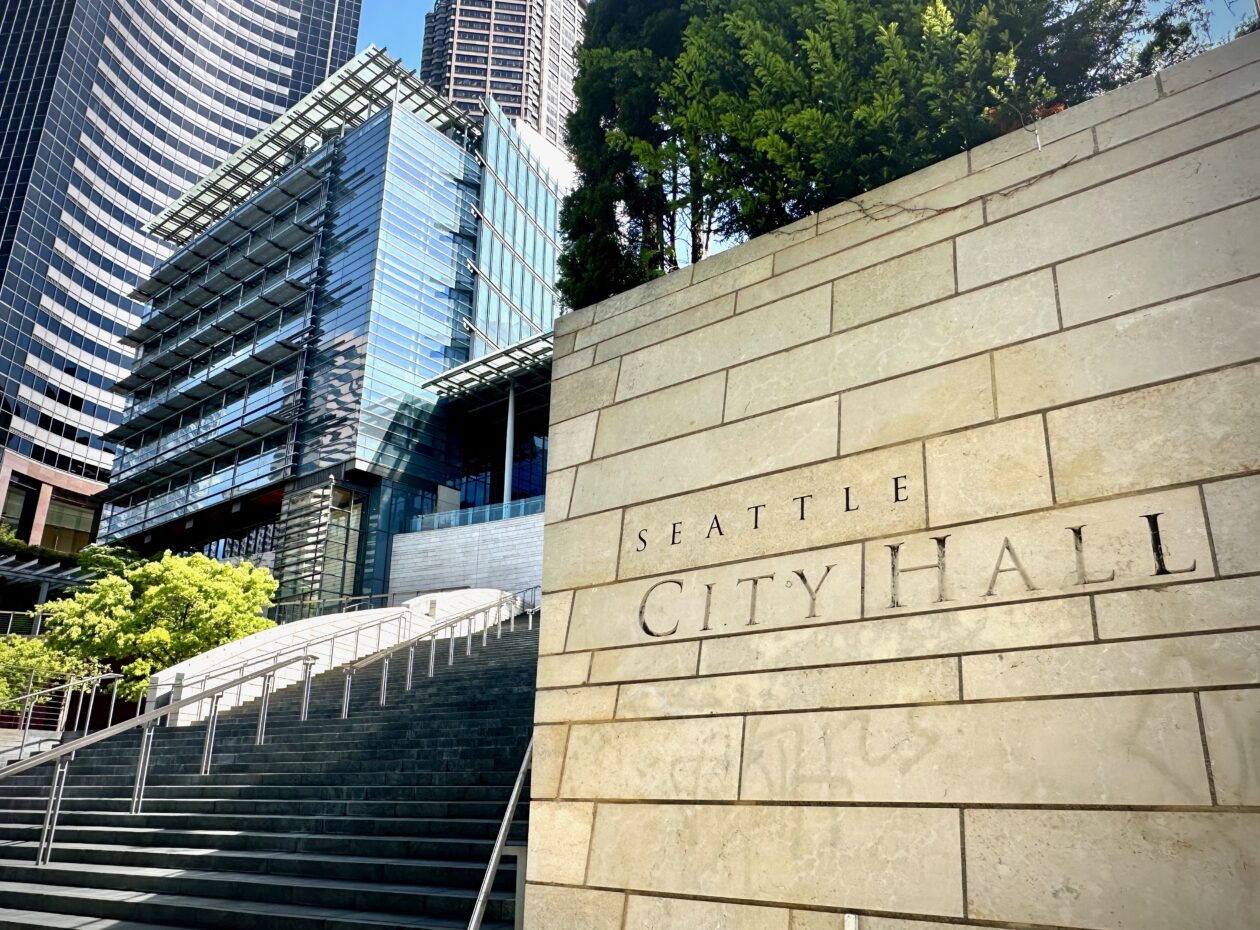
Seattle is taking a bold step forward in public sector technology leadership by creating a City AI Officer (CAIO) position to guide how artificial intelligence is implemented across all municipal operations. The move follows the city’s recently released “responsible AI plan,” establishing Seattle as a pioneer among U.S. cities in developing comprehensive guidelines for AI governance. The position has already attracted significant interest, with 3,000 job posting visits in its first week and approximately 40 highly qualified applicants, nine of whom have been invited to interview. This diverse candidate pool includes professionals from private industry, federal government, and academia, with several former Microsoft employees among them. Chief Technology Officer Rob Lloyd, who is overseeing the hiring process, expects to select the successful candidate within a week, with an annual salary ranging from $125,000 to $188,000.
The new CAIO will manage several critical domains outlined in Seattle’s AI strategy. First, they’ll oversee technical excellence and orchestration, ensuring the city’s AI infrastructure, programming, data management, and process engineering align under a coordinated strategy. This requires what Lloyd describes as an “elite-level AI expert” who can develop appropriate frameworks and technologies while implementing necessary training across departments. Second, the role involves fostering learning, skill development, and responsible adoption among the city’s 39 departments. This includes preventing “AI product sprawl” by aligning AI solutions with municipal priorities such as budget directives and executive orders. The CAIO will also focus on improving AI literacy across the organization, establishing consistent terminology, and helping staff understand how AI will impact their workflows. Finally, the position involves cultivating partnerships with academic institutions, startups, and community organizations to strengthen Seattle’s AI ecosystem, enhancing both the city’s capabilities and its position as a responsible community partner.
AI implementation has already begun reshaping how Seattle delivers services to residents. The Seattle Department of Transportation exemplifies this progress, utilizing AI and game theory to analyze accident-prone areas, identify patterns in incident reports, and accelerate the design of safer intersections. Lloyd also sees significant potential for AI applications in public utilities, public safety, and permitting processes. However, he emphasizes that the city’s approach focuses on augmenting human workers rather than displacing them: “There is plenty of space we can look at where staff are overwhelmed. We’re not getting to the response level that we aspire to, and there’s areas where we want to make decisions even smarter, even faster. We can take AI and focus on those things, not to displace jobs, but to get to the service levels and decision making that we want to create.”
Seattle has established itself as a national leader in municipal AI governance, claiming to be the first U.S. city to issue a generative AI policy in fall 2023. These policies include important safeguards like requiring “human-in-the-loop” oversight, where city employees must review any AI-generated content before official use and properly attribute work assisted by AI technologies. This approach reflects the city’s commitment to responsible innovation that respects community values. Lloyd underscored this priority, noting the importance of “making sure that we focus on our values and how we apply AI in the organization and the community.” Such thoughtful implementation will be crucial as AI technologies become more deeply integrated into government operations that directly affect residents’ daily lives.
The creation of this position acknowledges Seattle’s unique position in the AI landscape. As Lloyd notes, “We are the second biggest epicenter of AI talent. It would be a really sad thing if we did not take advantage of that opportunity and play to that strength.” The city benefits from proximity to world-class AI resources including the University of Washington, AI House, AI2, and technology incubators like Plug & Play. This concentration of expertise creates a fertile environment for public-private collaboration that could establish Seattle as a model for how municipal governments can harness AI responsibly. By creating this dedicated leadership role, Seattle signals its intention to be proactive rather than reactive in addressing both the opportunities and challenges AI presents to urban governance.
Seattle’s approach to municipal AI governance represents a thoughtful balance between embracing innovation and ensuring responsible implementation. The city recognizes that AI technologies will fundamentally transform how government services are delivered, decisions are made, and resources are allocated. By establishing clear guidelines, creating dedicated leadership, and fostering partnerships with the technology community, Seattle is positioning itself at the forefront of municipal AI adoption. The new CAIO will play a pivotal role in navigating this transformation, ensuring that AI deployment enhances rather than undermines the city’s ability to serve its diverse communities equitably and effectively. As other cities across the nation watch Seattle’s progress, this initiative may well become a blueprint for responsible AI governance at the local government level, demonstrating how cutting-edge technology can be harnessed to address urban challenges while remaining aligned with community values and priorities.