





Historic Redmond Rocket Facility Returns to “Rocketdyne” Name Under New Joint Venture
In a significant shift for the Seattle area’s aerospace landscape, the long-established rocket manufacturing facility in Redmond, Washington is set to reclaim a storied name from space exploration history: Rocketdyne. This rebranding comes as part of an $845 million deal between current owner L3Harris Technologies and private equity firm AE Industrial Partners. Under the arrangement, L3Harris will sell a majority stake in its Space Propulsion and Power Systems business to AE Industrial while maintaining a 40% ownership position in the newly formed Rocketdyne joint venture. The transaction, expected to close in the second half of 2026 pending regulatory approvals, represents the latest chapter in the facility’s remarkable journey through aerospace history—a journey that has seen it produce critical propulsion systems for some of America’s most ambitious space missions while operating under numerous corporate banners.
The Redmond facility’s history is deeply intertwined with the evolution of American space exploration. Founded in 1960 as Rocket Research Company by former Boeing engineers in Seattle, the operation relocated to its current 80-acre Redmond campus in 1968. In the decades since, it has undergone a dizzying series of name changes and ownership transitions—from Rockor to Olin Aerospace, then to Primex Technologies, General Dynamics, Aerojet, GenCorp, and most recently Aerojet Rocketdyne before being acquired by L3Harris in 2023 as part of a $4.7 billion deal. Through these corporate shuffles, the facility has maintained its focus on rocket production, earning it the distinction of being possibly the Seattle region’s oldest continuously operated facility dedicated exclusively to rocket manufacturing. This stands in contrast to other aerospace giants like Boeing, which have maintained broader portfolios spanning both aviation and space sectors.
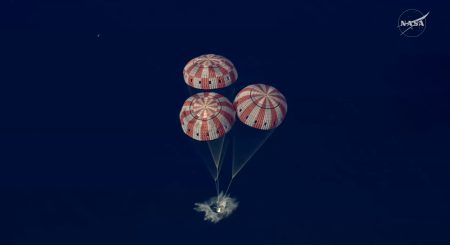
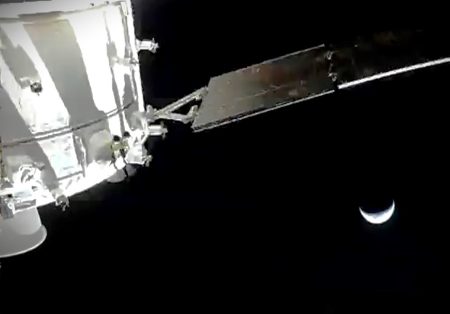
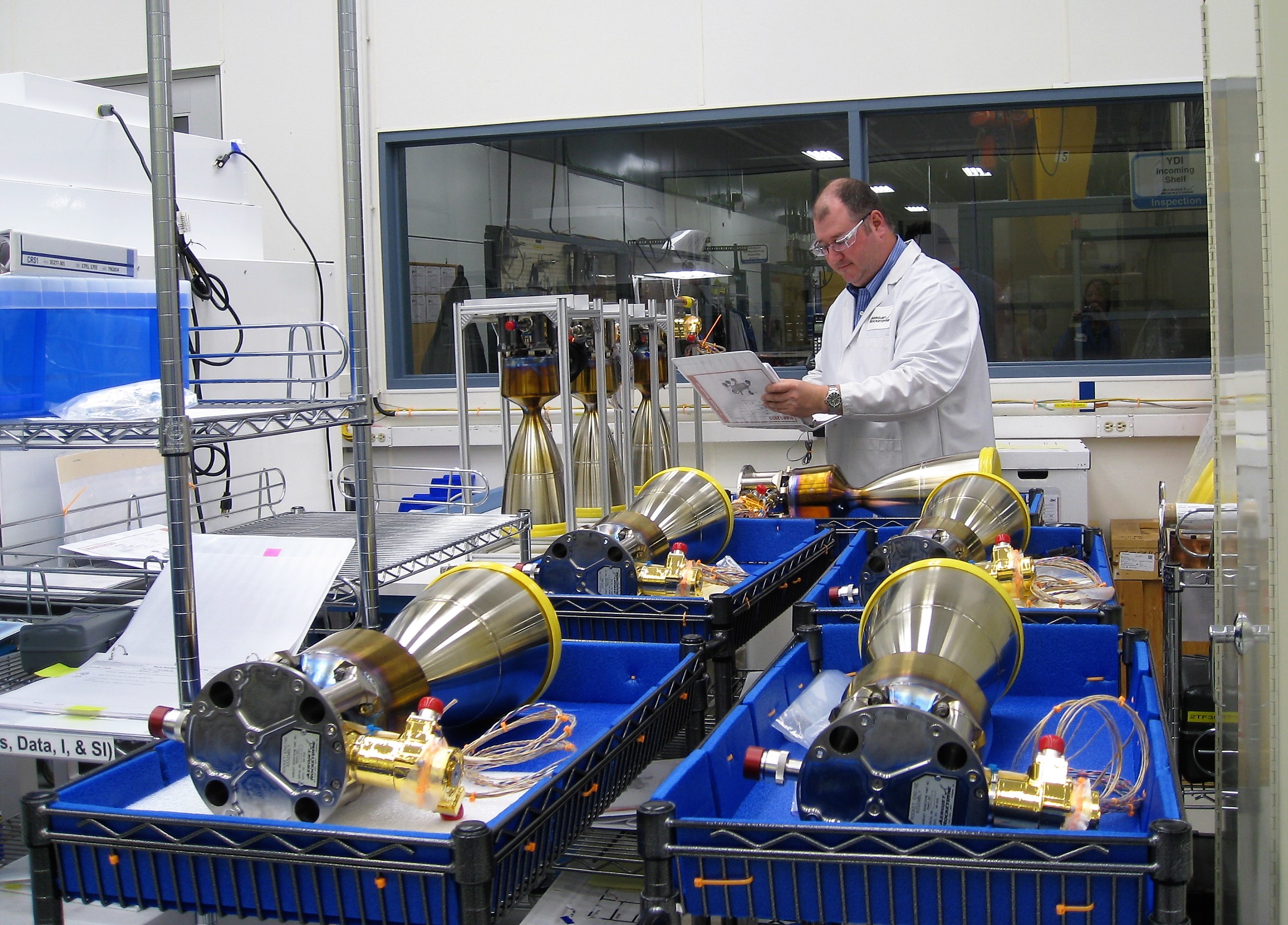
The significance of the Redmond operation within America’s space program cannot be overstated. Its engineers and technicians have built propulsion systems for an impressive array of space vehicles—from NASA’s space shuttles to Mars rovers and components for the current Artemis moon program. Most recently, Redmond-built thrusters are slated for use on NASA’s Orion spacecraft for the upcoming Artemis 2 mission, which will carry four astronauts on a milestone 10-day journey around the moon. These achievements reflect the facility’s longstanding tradition of excellence in rocket propulsion technology, a tradition maintained by its current workforce of more than 400 employees. Though the entrance sign currently displays only “L3Harris,” the pending transition to the Rocketdyne name represents a connection to a proud legacy of American rocketry.
The Rocketdyne name itself carries substantial historical weight in aerospace circles. Originally established in California in 1955 as a division of North American Aviation, Rocketdyne built the legendary F-1 engines that powered Saturn V rockets during humanity’s first journeys to the moon in the Apollo program. Like the Redmond facility, Rocketdyne experienced its own complex corporate history—becoming part of Rockwell International in 1967, then transitioning to Boeing ownership in 1996, followed by United Technologies in 2005. The Rocketdyne and Aerojet legacies eventually converged in 2013 when GenCorp acquired Rocketdyne and merged it with Aerojet to form Aerojet Rocketdyne, creating a propulsion powerhouse that would eventually include the Redmond operation under its corporate umbrella.
Notably, while the Redmond facility and most of L3Harris’s space propulsion business will become part of the new Rocketdyne venture, L3Harris is retaining full ownership of its business line focused on RS-25 rocket engines. These engines, evolved from space shuttle technology and currently used on NASA’s Space Launch System, are primarily manufactured in California facilities. This selective retention demonstrates the strategic importance L3Harris places on certain aspects of its space propulsion portfolio, even as it partners with AE Industrial to create a more focused joint venture encompassing the Redmond operation and related assets.
As the Redmond facility prepares for its newest incarnation as part of Rocketdyne, it stands as a testament to the enduring importance of specialized aerospace manufacturing in the Pacific Northwest. Despite repeated ownership changes and corporate reorganizations over more than six decades, the facility’s core mission has remained remarkably consistent: developing and producing advanced propulsion systems that enable humanity’s journey into space. The rebranding to Rocketdyne represents not just another corporate transition but a connection to one of the most storied names in American rocket development—a fitting identity for a facility that has quietly played a crucial role in everything from planetary exploration to human spaceflight. As space activities accelerate globally, this historic Redmond operation appears positioned to continue its contributions to humanity’s greatest adventures beyond Earth.