






Seattle’s Rising Star in the AI Scene
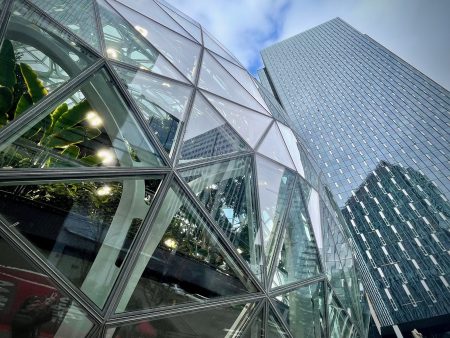
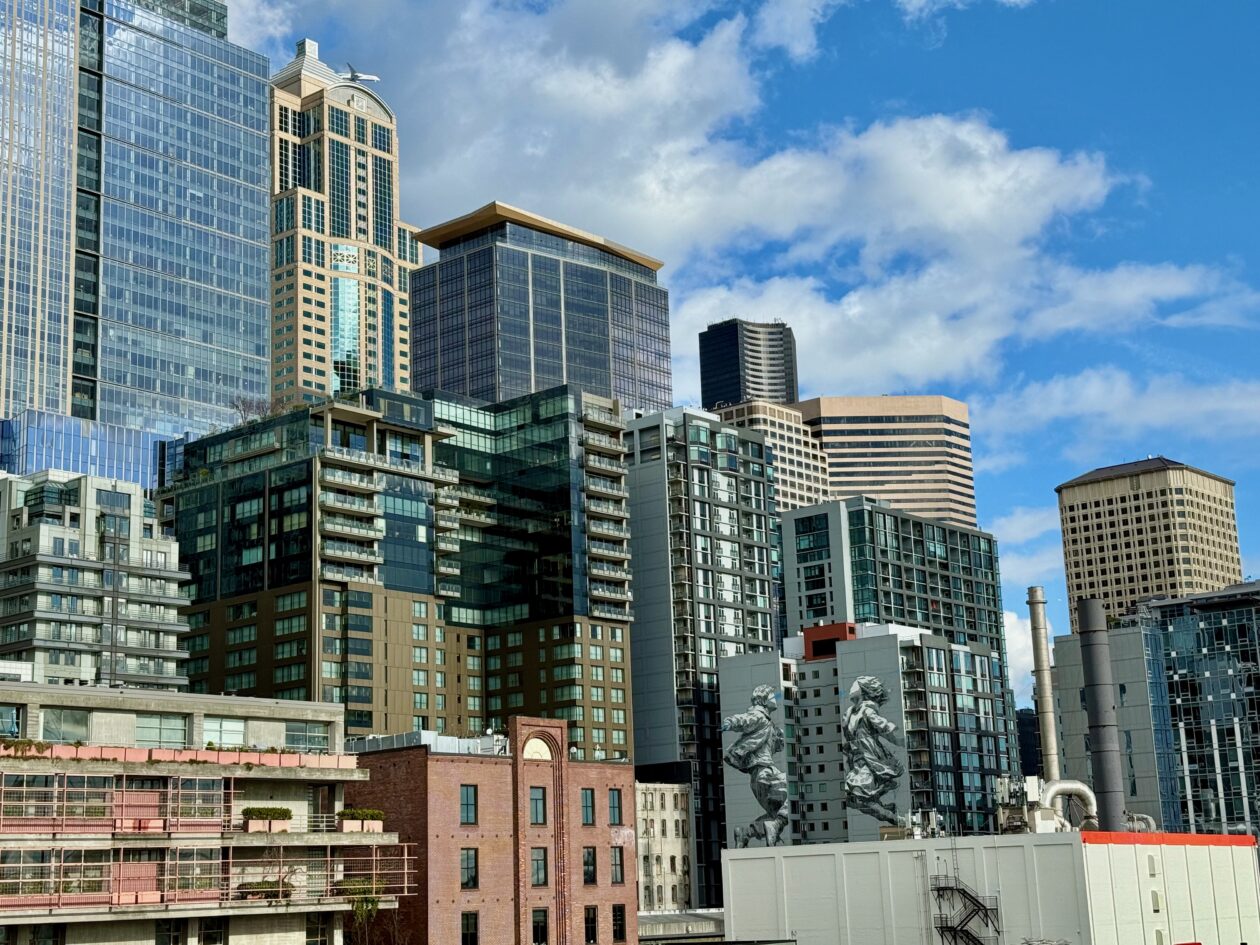
In the bustling tech world of 2026, Seattle is making waves, positioning itself as a formidable player in the artificial intelligence (AI) industry. Imagine standing on the Seattle waterfront, gazing at that iconic skyline dotted with gleaming towers–it’s not just a pretty view; it’s a testament to the city’s forward-thinking energy. A recent study from CoworkingCafe has thrust Seattle into the spotlight, ranking it as the third-fastest growing metro area for AI industry jobs nationwide, trailing only Silicon Valley’s San Jose and the vibrant bustle of New York City. This isn’t just about numbers on a chart; it’s a story of innovation, where everyday people–engineers, data wizards, and creative thinkers–are shaping the future. The report dives into factors like employment opportunities, salary trends, job concentration, and the infrastructure that keeps it all humming. As someone who’s spent countless hours in Seattle’s coffee shops turned brainstorming hubs, I can tell you it feels like the city is on the cusp of something big. San Francisco and Dallas complete the top five, but Seattle stands out for its unique blend of tech savvy and a lifestyle that, despite the rain, draws in talent from across the globe. It’s a place where you can hike in the mountains and brainstorm AI algorithms in the same week, creating a balanced ecosystem that’s hard to replicate. This ranking reflects a city’s ability to adapt and thrive, pulling in AI roles at a rate nearly three times the national average. The study isn’t just patting Seattle on the back–it’s highlighting how this growth is transforming lives, from the job seekers flocking here for opportunities to the businesses leveraging AI to solve real-world problems. Seattle’s AI sector isn’t just growing; it’s evolving, much like the city itself has done since its early days as a timber and shipping hub. Today, it’s home to giants and startups alike, fostering a collaborative spirit that the report notes as Seattle striking a balance between Silicon Valley’s high-octane intensity and New York City’s expansive diversity. Walking through Pike Place Market, you see echoes of that history, yet the undercurrent of tech progress is palpable. The 12,726 AI job postings analyzed from November 2024 to November 2025 paint a picture of abundance, with roles spanning software development, data science, and beyond, attracting folks who’ve traded drier climates for Seattle’s rainy charm. It’s not just about work; it’s about building a community where innovation happens organically. As tech continues its rapid ascent, Seattle’s role in AI isn’t accidental–it’s deliberate, fueled by a mix of natural talent, supportive policies, and that quintessential Pacific Northwest drive to push boundaries. This ranking positions Seattle not as a follower, but as a contender ready to lead in the next wave of technological breakthroughs, where human ingenuity meets machine intelligence in exciting new ways.
Diving deeper into the study’s insights, it’s clear that Seattle’s AI boom is underpinned by tangible metrics that make it a magnet for talent. Thanks to CoworkingCafe’s comprehensive analysis of 300 cities, we get a granular view of how metropolitan areas stack up. Seattle edges out the competition with its robust job concentration, making AI roles not just plentiful but also integral to the local economy. Picture this: an unemployed engineer from out of state scrolling through job listings and finding nearly triple the opportunities here compared to the rest of the country. That’s reinvigoration for career aspirations, a lifeline in an unpredictable job market. The report’s methodology shines a light on AI-native technical positions–think software developers coding the next big app, data scientists crunching numbers to predict trends, computer systems analysts optimizing networks, QA testers ensuring quality, and engineering pros building the backbone of these systems. It’s a holistic approach that recognizes AI isn’t a silo; it’s interwoven into countless fields, from healthcare to finance. Seattle’s appeal lies in its accessibility–high-paying gigs without the soul-crushing traffic of San Jose or the relentless pace of NYC. As someone who’s commuted through Seattle’s viaducts and ferries, I appreciate how the city prioritizes quality of life, allowing professionals to thrive without burning out. The study’s data reveals a city embracing diversity in roles, where entry-level positions pave the way for specialized expertise. This isn’t just economic growth; it’s social empowerment, drawing in voices from varied backgrounds to collaborate on AI projects that could redefine industries. Compare that to smaller markets like Fayetteville, Arkansas, or Boulder, Colorado, which topped rankings for mid-size and small metros respectively, and you see Seattle’s outsized influence. Yet, amidst the optimism, there’s a nod to competition–San Jose and New York are dominant, with their ecosystems nurturing AI from cradle to global scale. Seattle’s secret sauce? A community-driven ethos that values innovation over isolation, turning job postings into pathways for real connections. It’s a reminder that in the AI race, collaboration often wins over cutthroat competition, and Seattle exemplifies that by fostering environments where ideas flourish. As the industry matures, this growth trajectory could position Seattle as a linchpin, influencing how AI integrates into daily life and economies worldwide.
Now, let’s talk dollars and cents–or in this case, a hefty paycheck. The CoworkingCafe study doesn’t mince words on salaries: Seattle’s average AI job pay clocked in at $169,633 annually, a figure that’s impressive but contextualized by the city’s rising living costs. As someone juggling a Seattle budget, I know firsthand how those greenbacks evaporate quickly in a market where housing parallels that of major coastal cities. The report flags these expenses as a potential bottleneck, with Seattle ranked among the priciest large metros. It’s a double-edged sword: high pay attracts top talent, but skyrocketing rents, groceries, and utilities can turn a dream job into a financial juggling act. Picture a data scientist earning that average but sinking half their income into a modest apartment–it’s motivating yet sobering. By contrast, San Jose’s AI pros rake in nearly $216,000 on average, the study’s highest, while New York trails at $151,000. These disparities underscore how location influences not just pay bands but lifestyle choices. In Seattle, the trade-off often involves prioritizing experiences over extravagance–think artisan coffee runs and weekend hikes over fancy dinners. The study urges investors and policymakers to address cost-of-living challenges to sustain growth. From my perspective, that’s about more than numbers; it’s about ensuring AI jobs uplift communities, not just line pockets. Rising costs threaten to widen divides, making it harder for mid-tier professionals to partake in the boom. That’s why initiatives like affordable housing or tech-driven subsidies could be game-changers. Seattle’s AI salary landscape reflects a maturing industry where wages evolve with demand, but the human element–balancing ambition with affordability–remains crucial. As salaries climb, so do expectations; workers demand compensation for the high-stakes innovation they’re driving, from ethical AI designs to breakthrough algorithms. It’s a cycle of progress, where paydays fuel further advancements, but only if costs are kept in check. Overall, Seattle’s pay scale highlights the city’s competitive edge, but it’s a reminder that true prosperity comes from making high rewards accessible to all, not just the elite. In an era where AI reshapes economies, equitable growth is the ultimate win, turning potential pitfalls into platforms for broader opportunity.
Yet, optimism isn’t without shadows, as some tech leaders eye potential roadblocks to Seattle’s AI ascent. The study whispers of concerns over a newly enacted state “millionaires tax,” a policy aimed at wealth redistribution that’s drawing mixed reactions. For a city built on innovation, this tax could inadvertently dampen enthusiasm, especially if it pushes high-earners–those AI wizards commanding six-figure salaries–to seek greener pastures elsewhere. As a Seattle resident who’s seen policies ebb and flow, I recall debates over taxes that sparked exodus fears. The millionaires tax, designed to fund public services and bridge inequalities, might stall recruitment, siphoning talent to tax-friendlier locales like Texas or Massachusetts. It’s a classic conundrum: progress taxes versus private-sector prosperity. CoworkingCafe’s report doesn’t prescribe solutions but hints at sustainability questions–can Seattle maintain its AI momentum amid fiscal pressures? Historically, the Pacific Northwest’s taxes have fueled environmental and social initiatives, from clean energy pushes to public transit expansions. AI growth fits into that narrative, with tech giants investing billions in local innovation. But critics argue the millionaires tax could inflate costs for businesses, reducing investments and slowing job creation. From boardrooms to coffee shops, conversations swirl: is this a necessary evil for equity, or a self-inflicted wound? Tech execs warn of brain drains, where AI experts flock to states with lighter burdens, echoing past migrations during political shifts. However, proponents see it as a catalyst for diverse talent pipelines, drawing in a broader workforce undeterred by wealth gaps. Seattle’s AI future hangs in this balance, a microcosm of broader national debates on taxation and growth. Ultimately, the city must navigate these waters carefully, perhaps through targeted incentives for tech sectors. As AI evolves, policies like this could either bolster or undermine its trajectory. My takeaway? Seattle’s resilience often shines through challenges–think the ’98 tech bust that birthed today’s giants. With adaptive strategies, it could turn potential hurdles into stepping stones, ensuring AI’s glow continues unabated. It’s a testament to human ingenuity prevailing over policy pitfalls, where collective action forges paths forward.
Beyond rankings and salaries, the CoworkingCafe study underscores infrastructure as AI’s unsung hero, measuring broadband readiness and co-working spaces as linchpins for productivity. In a city where remote work blends seamlessly with office dynamics, Seattle’s 145 co-working hubs stand out, providing flexible bases for collaboration. I remember popping into one of these spaces after a stormy hike, laptop in tow, and brainstorming AI concepts amidst fellow tech enthusiasts. Broadband isn’t just fast internet; it’s the lifeline enabling real-time data processing and global connections, essential for AI’s data-hungry demands. Seattle scores high here, with its robust networks supporting everything from cloud computing to virtual reality simulations. The report’s focus on these elements humanizes AI growth, recognizing that innovation thrives in connected environments, not isolated silos. Technology roles demand constant connectivity–whether debugging code from a Ballard café or collaborating on models via video calls. Co-working spaces embody that spirit, offering tools, networking, and inspiration without the confines of traditional offices. In Seattle, they’re scattered like hidden gems: vibrant spots in Capitol Hill or quiet nooks near the waterfront. As AI jobs proliferate, these infrastructures mitigate remote work’s isolation, fostering creativity and productivity. The study compares metros on this front, revealing how preparedness predicts success. For instance, poor broadband could bottleneck AI advancements, while ample co-working spaces attract clusters of talent, sparking entrepreneurial ventures. It’s about quality of life intertwined with professional fulfillment–a Seattle hallmark where work-life harmony isn’t just buzzword. Emerging roles, like AI ethicists or machine learning specialists, benefit from such setups, turning abstract ideas into tangible solutions. As the industry scales, investments in infrastructure could be the differentiator, ensuring Seattle’s AI edge endures. From my vantage, it’s a reminder that behind every algorithm is a community, supported by reliable tech foundations.
In closing, Seattle’s third-place ranking in AI growth is more than a statistic–it’s a beacon for smaller metros aspiring to emulate its success. Cities like Fayetteville, Arkansas, and Boulder, Colorado, lead in their categories, proving AI isn’t confined to tech capitals. Fayetteville’s mid-size prowess with its university-town energy, and Boulder’s small-market innovation amidst natural beauty, highlight diverse pathways. But Seattle’s trajectory offers lessons: balance intense competition with livable perks, address cost barriers head-on, and invest in supportive infrastructure. As we look ahead, AI’s future in Seattle hinges on adaptability–navigating taxes, embracing collaboration, and fostering inclusive growth. Whether the momentum persists depends on stakeholders: policymakers easing fiscal strains, businesses offering equitable opportunities, and communities celebrating talent diversity. In a world increasingly defined by AI, Seattle stands as a model, transforming job postings into legacies of progress. It’s not just about rankings; it’s about building a future where technology serves humanity, one innovative step at a time. As the rain continues to fall here, so too does the inspiration to innovate.