






OneCourt Brings New Game Experience to Blind and Low-Vision Seahawks Fans
In an innovative effort to make sports more accessible, the Seattle Seahawks became one of four NFL teams this season to test a groundbreaking technology designed to help blind and low-vision fans experience football in a whole new way. The device, created by Seattle startup OneCourt, translates live gameplay into tactile feedback that users can feel with their fingertips, accompanied by synchronized radio broadcasts with minimal delay. This pilot program, which also included the Jaguars, Vikings, and Falcons, represents a significant step forward in sports accessibility and demonstrates how technology can create more inclusive fan experiences.
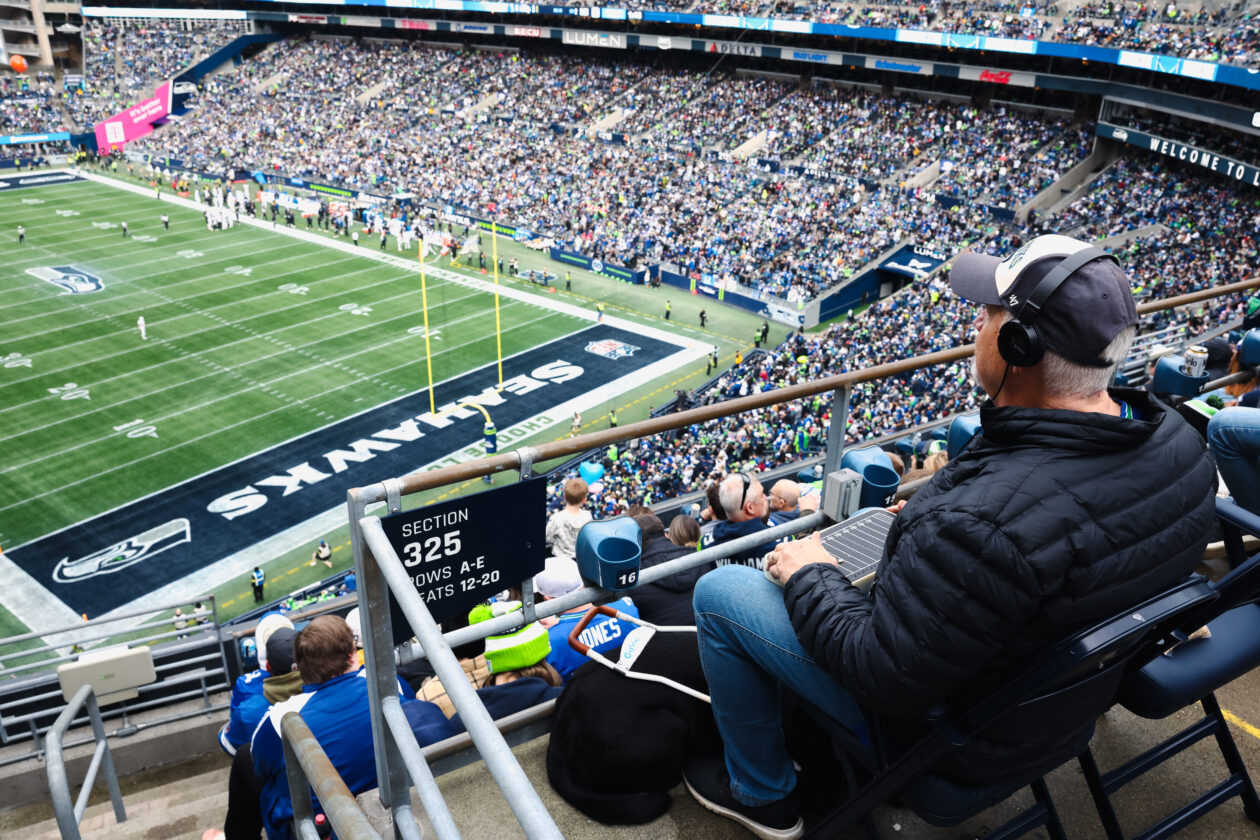
Founded by University of Washington graduates including CEO Jerred Mace, OneCourt has developed a laptop-style device that uses a combination of generative audio and haptic feedback to give vision-impaired fans a way to physically track the action on the field. Rather than relying solely on audio descriptions or the reactions of those around them, users can literally feel the movement of plays as they unfold. The technology synchronizes these tactile sensations with the team’s radio broadcast, creating a multi-sensory experience that brings blind and low-vision fans closer to the excitement of the game. For many participants in the pilot program at Lumen Field, including those who attended the December 14th game against the Indianapolis Colts, this represented an unprecedented level of connection to the sport they love.
The significance of this technology extends far beyond mere convenience—it represents a fundamental shift in how sports can be experienced by people with visual impairments. As Jonathan Beane, NFL senior vice president and chief diversity and inclusion officer, expressed, “Football is at its best when every fan can be part of the moment.” This sentiment captures the essence of what OneCourt is trying to achieve: not just making games technically accessible, but creating genuine moments of shared excitement and community that have traditionally been challenging for vision-impaired fans to fully participate in. The emotional response from testers has been powerful, suggesting that the technology taps into something deeper than just following the game—it provides a sense of inclusion in the collective energy and emotion that make live sports so compelling.
The testing process itself was designed to be thorough and responsive to user needs. Participants at Seahawks games were provided with the devices and given opportunities to use them during live action, after which they shared detailed feedback with both the team and the league. This collaborative approach ensures that the technology will continue to evolve based on the actual experiences and needs of the vision-impaired community rather than assumptions about what might be helpful. The NFL will analyze this feedback as part of developing a broader in-stadium accessibility strategy, potentially paving the way for more widespread adoption of such technologies across the league. This iterative, user-centered approach demonstrates a genuine commitment to meaningful accessibility rather than merely checking a compliance box.
OneCourt’s journey from a startup founded by university graduates to partnering with multiple professional sports teams illustrates how innovative thinking can address longstanding challenges. The Seattle-based company has already made significant inroads in professional sports, with the Portland Trail Blazers becoming the first team to provide OneCourt devices at every home game. This NBA partnership likely provided valuable insights that helped refine the technology before the NFL pilot, showing how cross-sport collaboration can accelerate innovation in accessibility. The fact that a relatively young company has secured partnerships with teams in multiple major sports leagues speaks to both the quality of their technology and the growing recognition among sports organizations that accessibility is not just a moral imperative but a way to expand their fan communities and create more vibrant game-day experiences for everyone.
As sports continue to evolve in the digital age, technologies like OneCourt represent the cutting edge of how teams and leagues can create more inclusive environments. By literally putting the action at fans’ fingertips, OneCourt bridges a gap that has existed since the advent of spectator sports. The device transforms abstract audio descriptions into physical sensations that mirror the movement on the field, creating a more complete and engaging experience. With positive feedback from the pilot program and growing interest across multiple sports, OneCourt’s technology could soon become a standard feature at stadiums nationwide, ensuring that the thrill of live sports is truly available to everyone regardless of visual ability. As teams analyze the results from this season’s testing, the future looks bright for a more inclusive fan experience where technology helps ensure that no one is left on the sidelines.