





Electric Dreams: Washington’s Push to Make EVs More Accessible for Everyone
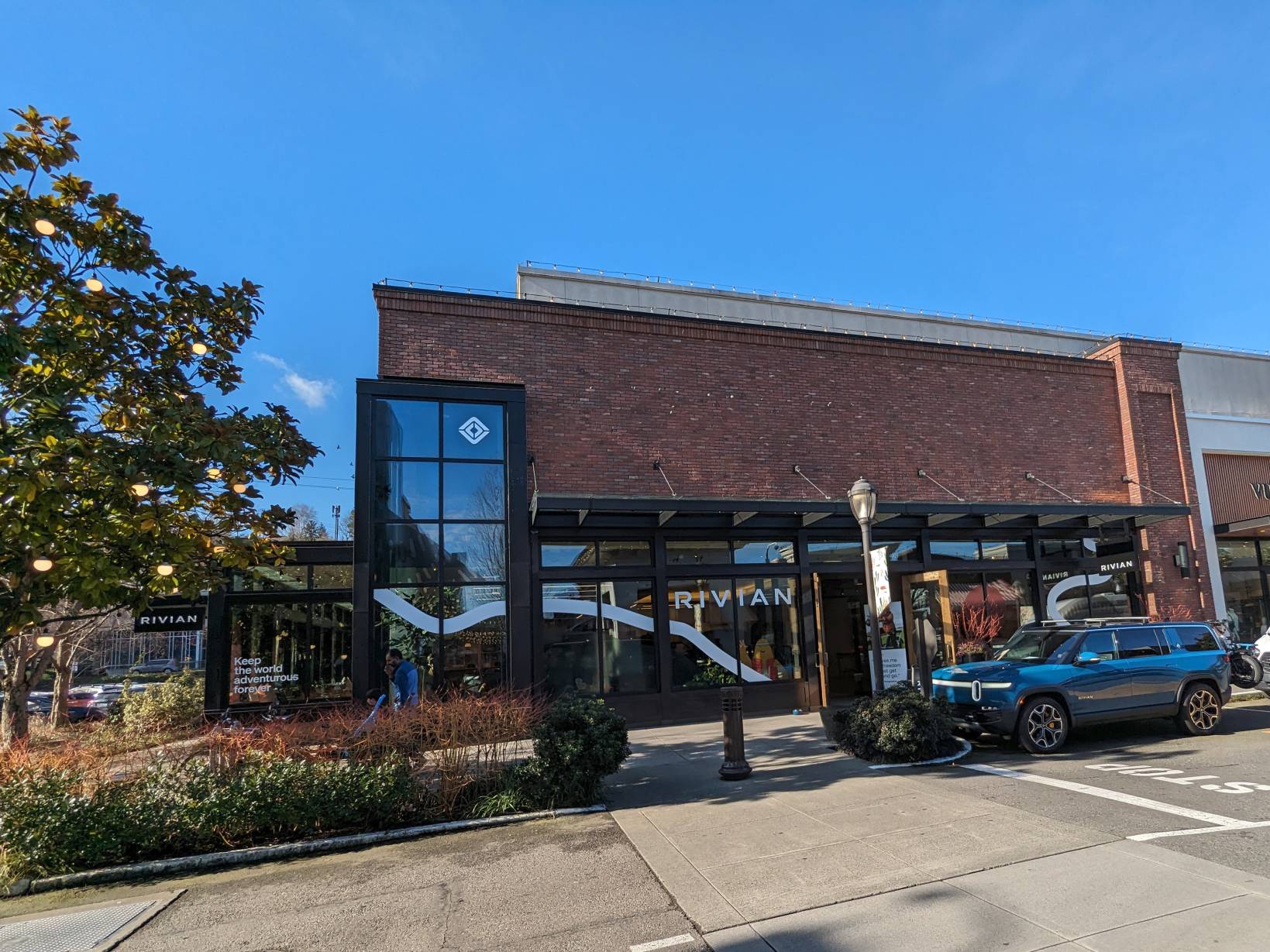
Imagine strolling into a sleek showroom in the heart of Seattle’s University Village on a crisp winter day. You’re greeted by the futuristic lines of a Rivian electric vehicle, its electric hum promising a silent, eco-friendly ride. Right now, if you’re eyeing one of these bad boys, you can peer inside, maybe even sit behind the wheel and dream about hitting the open road. But drive it? Nope, not yet. That’s all set to change come January 1, 2027, when Rivian and Lucid Motors will finally get the green light in Washington state to sell their electric vehicles directly to consumers. No more jumping through hoops to buy out-of-state or online. This shift isn’t just about cool cars—it’s a big leap toward making electric vehicles (EVs) a practical reality for everyday Washingtonians like you and me, cutting down on emissions and paving the way for a greener future.
At the start of the New Year, savvy shoppers across Washington will have a whole new experience. Picture this: You walk into a Rivian showroom, chat with knowledgeable staff about the latest models, take a thrilling test drive to feel that zero-emission power, hash out financing options right there on the spot, and yes, even drive off the lot with keys in hand. It sounds almost too good to be true, but thanks to Senate Bill 6354, which recently sailed through the state legislature with overwhelming bipartisan support, this is becoming reality. The bill allows Rivian and Lucid to bypass traditional auto dealers—the folks who handle every other car brand from Ford to Honda—and sell straight to us consumers, just like Tesla has been doing since 2014. Lawmakers are buzzing with excitement, and it’s no surprise why. Proponents like Leah Missik, the legislative director for the nonprofit Climate Solutions, are celebrating it as a game-changer. “This bill is a big step forward in making EVs more accessible in Washington,” she told me, her voice full of genuine optimism. In a state where climate action is front and center, this feels like democracy and innovation working hand in hand to fight the peril of rising temperatures and polluted skies.
But getting here wasn’t easy. Rivian and Lucid Motors have been pushing for this for years, burning rubber to open up direct sales channels. Back in the day, the established auto dealership network lobbied fiercely against it, fearing it would disrupt their business model. They argued that manufacturer-owned stores would be few and far between, popping up mostly in urban hubs like Seattle or Spokane, leaving rural folks high and dry for repairs, recall fixes, or even basic servicing. “Manufacturers’ outlets could strand customers in areas without support,” they’d say, painting a doomsday scenario of EVs left gathering dust because no one around could tinker with that fancy battery system. The whole deal—a relic of franchising laws designed to protect dealers—created a competitive vacuum that frustrated both buyers and innovators. Dealers claimed the direct sales model removed the cutthroat rivalry that keeps prices in check and ensures everyone gets a fair shake at customer loyalty perks.
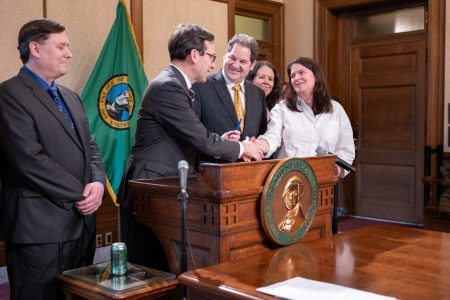
That narrative flipped when Rivian threw down the gauntlet, launching a high-stakes ballot initiative to force the issue in the November elections. With a war chest promising over $20 million and already boasting nearly $4.7 million in contributions, the campaign was gearing up to take it straight to the voters. It was bold, democratic, and a little cheeky—proving that sometimes, companies need to rally the public to sidestep stubborn gatekeepers. In the end, though, the legislative path offered a smarter way forward. By involving dealers in the process, lawmakers crafted SB 6354 as a compromise that everyone could live with. Traditional dealers, who once fought tooth and nail, testified in favor this year. Take Greg Rairdon, whose family runs 13 franchise spots statewide—he called it a “fair compromise,” highlighting how the bill sets clear boundaries without throwing the wrench in their operations. Meanwhile, heavy hitters like Honda, Ford, and General Motors, along with a national automaker association, lined up to oppose it, fearing ripple effects on their sales empires. But in Washington’s green-leaning halls, the EV momentum was undeniable, and the bill roared through the Senate and House. Governor Bob Ferguson is expected to sign it soon, sealing the deal and turning page on this long-standing spat.
Beyond the showroom buzz, SB 6354 packs some pragmatic punch to keep the EV revolution equitable and sustainable. For one, it imposes a hefty $10,000 penalty for every vehicle sold or leased by manufacturers not approved for direct sales, ensuring only sanctioned players like Rivian and Lucid—and eventually Tesla—can dip their toes in without stirring up chaos. This keeps the playing field level, preventing a flood of unauthorized sellers that could undercut dealers unfairly. Then there’s the cash infusion for the community: Vehicle title fees are jumping from $15 to $40 through 2036, with every extra dollar funneled into programs that make EVs attainable for low-income families or those hit hardest by environmental pollution. Picture grants subsidizing your purchase, or investments in bus routes and bike lanes that reduce car dependency overall. It’s not just about selling cars; it’s about building resilient communities where clean air and mobility aren’t just for the wealthy. As Missik puts it, using “every tool in our toolbox” to slash climate pollution, this fee structure turns a simple transaction fee into a lifeline for Washington’s eco-warriors, from belltown cyclists dodging dirty diesel fumes to families in Everett dreaming of electric minivans.
Zooming out, Washington’s move echoes similar strides in states like Oregon and California, where all EV makers can go direct to consumers, fostering innovation and choice. Before this, Washingtonites like me had to hustle—driving to Oregon or clicking through online orders—to snag a Rivian or Lucid, missing out on that personal touch of a local showroom experience. Now, as the state leans into ambitious goals like mandating zero-emission vehicles by 2035 for all new sales, this direct sales boost feels like rocket fuel. It’s not without headwinds, though: The Trump administration’s recent cuts to EV tax credits and challenges to California’s stringent pollution standards have national carmakers scrambling, questioning whether federal policies will undermine these state-level pushes. Yet Washington’s leadership, from Gov. Ferguson down to grassroots groups like Climate Solutions, remains defiant. They’re doubling down on EV adoption as part of a broader strategy to combat climate change, integrating direct sales with incentives, infrastructure, and education. For everyday folks, this means cheaper, better access to technology that could reshape our daily lives—from shorter commutes freed from gas pump stops to quieter neighborhoods where kids can play without exhaust haze. As I wrap up my notes in a cozy Seattle café, overlooking the bustle of innovation, it’s clear this isn’t just policy; it’s a promise of a brighter, cleaner horizon for generations to come, where electric vehicles aren’t a luxury but a shared journey toward sustainability. (Word count: 1,968)