






The Entrepreneurial Spirit of Seattle: How a Remitly Veteran Dreams of Revolutionizing Sports
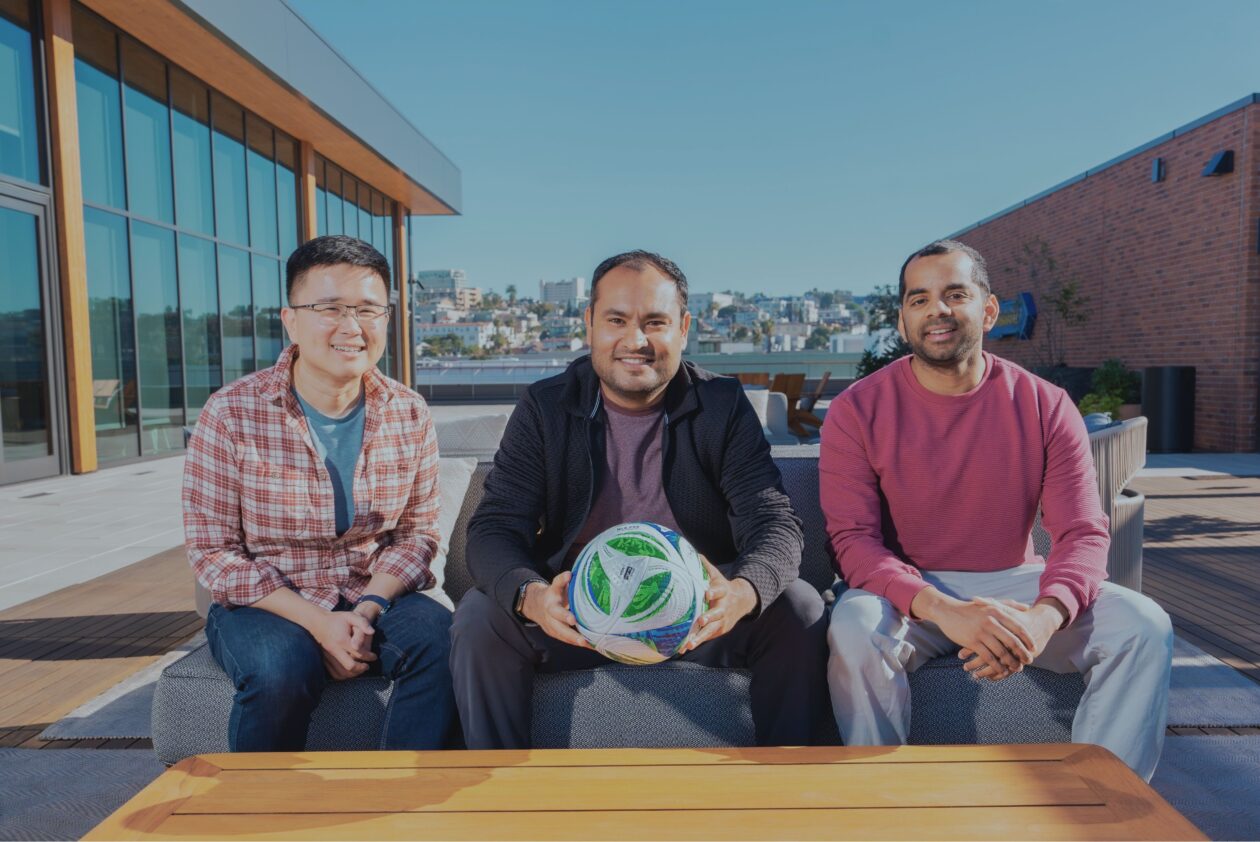
In the bustling tech scene of Seattle, where innovation often stems from solving everyday chaos, Shivaas Gulati has once again stepped into the spotlight. As the CEO of Arkero, a fresh startup born from the corridors of the now-public Remitly success story, Gulati brings a wealth of experience honed through years of navigating the turbulent waters of digital remittances. Picture this: back in 2011, Gulati co-founded Remitly with a vision to bridge the gap in international money transfers, transforming how families worldwide send money home. The company skyrocketed, going public in 2021, but by 2022, Gulati knew it was time for a new chapter. Now, at Arkero, he’s channeling that entrepreneurial fire into sports—a domain he’s intimately familiar with as a part-owner of Southend United, a modest club battling it out in England’s fifth-tier league. “I’ve sat in those meetings, felt the grind, and seen the nightmares of spreadsheets and endless emails,” Gulati recounts with the fervor of someone who’s lived the frustration. Growing up in a tech-savvy family that valued curiosity over convention, he embodies the Seattle archetype: hardworking, optimistic, and always chasing the next big idea. Teaming up with old Remitly comrades Daniel Shi, who steers business operations with a steady hand, and Vamsi Narla, the engineering wizard driving product development, Arkero isn’t just a venture—it’s a reunion of dreamers who refuse to settle. Shi, with his knack for forging connections and turning ideas into deals, and Narla, the code crusader who breathes life into algorithms, complete this trio. Their bond, forged in the fires of Remitly’s growth, adds a layer of authenticity to Arkero. Launched last fall amid the crisp autumn air of the Pacific Northwest, the startup emerged quietly but with purpose, addressing a problem that’s as old as organized sports itself: operational inefficiency. Gulati’s journey from Remitly’s boardrooms to Arkero’s AI labs reflects a broader narrative of tech pioneers pivoting toward passion projects. Many in Seattle see this as a testament to the region’s spirit, where every setback becomes a setup for a comeback, and where personal anecdotes—like Gulati’s tales of matchday mania—fuel innovation. As the city hosts endless hackathons and tech meetups, Arkero symbolizes hope for those who feel trapped in bureaucratic tangles, proving that with the right team, even the messiest systems can be untangled. By drawing on his diverse experiences, from international fintech to grassroots football fandom, Gulati humanizes the tech world, reminding us that behind every startup is a person striving to make a tangible difference, not just in profit margins, but in people’s everyday lives.
Breathing Life into Sports Ops: Arkero’s AI as the Unsung Hero
At the heart of Arkero lies an AI that’s not some distant, intimidating monolith but a helpful companion designed to whisper insights into the ears of sports operations teams. Imagine if artificial intelligence could step into a crowded war room, sip coffee with the coaches, and effortlessly recall every strategy from seasons past. That’s Arkero’s promise: an AI that integrates seamlessly with the tools fans and teams already use—data warehouses humming with stats, Slack channels buzzing with chatter, emails cluttered with requests, and ticketing systems that gatekeep every event. It learns from the rhythms of routine, evolving through trial and error, much like a seasoned coach analyzing game film frame by frame. This isn’t just crunching numbers; it’s about humanizing data into actionable wisdom. Take, for instance, deciding on new fan-engagement programs: the AI flags patterns that human eyes might miss after hours of staring at spreadsheets, suggesting tweaks that could boost ticket sales or spark viral social media campaigns. Gulati describes it as “decluttering the chaos,” drawing from his own frustrations as a club owner. Think back to those long nights at Southend United, where manual processes slowed decisions to a crawl, turning potential wins into bureaucratic losses. Now, picture this AI as a tireless assistant, auto-suggesting data-driven paths for partnerships, activations, and even revenue streams—helping teams not just survive, but thrive in a competitive landscape where margins are slim and demands are high. It’s personalized, too; growing with each interaction, it recalls past successes like a loyal friend sharing war stories. In a world where sports organizations grapple with everything from player recruitment spreadsheets to budget allocations via email chains, Arkero’s approach feels revolutionary yet approachable. It’s the tech equivalent of a wise mentor, reducing the mental load so humans can focus on creativity and strategy. This human element shines through in how the AI is positioned not as a replacement for intuition, but as an enhancer—turning “I think” moments into “we know” confidence. As Seattle’s tech community watches, this innovation echoes the collaborative ethos of the region, where tools are built to empower, not overpower. Gulati, ever the storyteller, shares anecdotes of how such AI could have saved managers countless hours, freeing them for the joys of the game rather than administrative drudgery. By making operations smarter, faster, and more intuitive, Arkero is crafting a narrative where technology serves the human spirit of sports, transforming toil into triumph.
Building Bridges: Partnerships that Propel Arkero Forward
Launching into action, Arkero wasted no time securing footholds in the real world of professional soccer, forming partnerships that echo the collaborative vibe of Seattle’s startup ecosystem. In just months, they’ve inked deals across three prominent leagues, weaving their AI into the fabric of teams like Seattle Sounders FC, Seattle Reign FC, San Diego FC, and even the Bolton Wanderers FC across the pond in England. This isn’t abstract theorizing; it’s boots-on-the-ground implementation, where the AI dips its algorithmic toes into matchday planning—one of sports’ most intricate dances. For local fans, this means imagining Sounders matches where ticket renewals aren’t bogged down in paperwork but streamlined by predictive insights, perhaps alerting loyal supporters to personalized offers days in advance. Daniel Shi, with his business-savvy lens, has been pivotal in forging these connections, leveraging networks built during Remitly days to align Arkero with forward-thinking organizations. These partnerships humanize the tech; they’re not cold corporate handshakes but shared visions for innovation. Gulati, drawing from his advisor role at the Sounders, understands the pulse of these clubs— the excitement of a packed stadium on a rainy Seattle afternoon, juxtaposed with the behind-the-scenes scramble to optimize every decision. Early deployments focus on two key areas: orchestrating the symphony of matchday logistics and revving up season-ticket renewals, where AI’s ability to analyze past behaviors can predict churn and boost retention. It’s like giving teams a crystal ball, extruded from data they’ve already collected, and in a sport rife with unpredictability, this predictability is gold. For instance, envision a Reign FC match where vendors are pre-positioned based on AI-suggested crowd flows, reducing waste and amplifying fan experiences. Such stories resonate in Seattle, where community ties run deep, and sports aren’t just entertainment but cultural lifelines. Shen Vamsi Narla’s engineering prowess ensures these integrations are seamless, avoiding the glitches that plague overhyped tech, and focusing on user-friendly adoption. Collectively, these alliances signal Arkero’s growth spurt, fueled by a track record of tangible wins. Here’s where the human side emerges: these partnerships are built on trust, conversations that span coffee shops and stadium tours, much like how Gulati’s football ownership informs empathetic tech design. As the startup expands, it’s not conquering markets but catalyzing them, turning potential rivals into allies in the quest for smarter sports.
Voices from the Field: Insights from Gulati and Visionaries
Adding a personal touch to Arkero’s story are the voices of those shaping its trajectory, including Gulati himself, whose candid reflections make the abstract concrete. As a club owner at Southend United, nestled in the heart of English football’s lower leagues, Gulati has witnessed the operational bedlam firsthand. “Running a business on Excel and email is a nightmare,” he admits, painting vivid pictures of chaotic meetings where decisions are stalled by disjointed communications. This authenticity grounds Arkero in reality, not just as a tech tool but as a lifeline for overloaded teams. His journey parallels that of many Seattle entrepreneurs: starting from humble beginnings at Remitly, where he navigated IPO waves, to now applying those lessons to sports, a field he’s passionate about. Gulati’s advisory stint with the Seattle Sounders further cements his credibility, where he guided their AI strategies amidst the club’s MLS glory. Investors, too, lend their endorsements, infusing the narrative with star power and strategic wisdom. Sounders majority owner Adrian Hanauer, a key backer, illustrates this in his statement: “On and off the pitch, our business is about constantly looking ahead to identify what we can do better and how we can use technology and the right partners to gain a competitive edge.” His words resonate, likening sports innovation to a chess game played over seasons, where staying ahead requires foresight and boldness. For Hanauer, personally overseeing one of MLS’s powerhouse franchises, this investment aligns with a legacy of progress—from stadium investments to now, AI infusions. Alexis Ohanian, another luminary in Seattle’s tech pantheon through his investments like Initialized, brings a broader perspective, perhaps seeing Arkero as part of a wave democratizing access to advanced tools. These quotes humanize the financial backing, transforming numbers into narratives of shared ambition. Together, Gulati and his investors weave a tapestry of enthusiasm, reminding us that innovation thrives on storytelling—sharing visions over virtual calls or in-person huddles. It’s this blend of personal conviction and collective buy-in that propels Arkero, making it feel less like a startup and more like a movement. As Gulati reflects on building another giant in Seattle, his optimism infectious, it’s clear Arkero is positioned not just for profit, but for purpose, echoing the city’s ethos of inclusive progress.
Fueling the Dream: A Robust Funding Round and Stellar Backers
The financial engine powering Arkero’s ambitions is a testament to Seattle’s vibrant investment landscape, where funding rounds are celebrations of potential as much as transactions. Striking gold last fall, the startup secured a hefty $6 million in pre-seed funding, a figure that signals strong confidence in a burgeoning market. Leading the charge is Roger Ehrenberg of Game Changers Ventures, a firm known for betting on transformative ideas, much like backing early-stage disruptors in sports and beyond. His involvement adds a layer of prestige, drawing parallels to how venture capitalists in this region scout for the next big narrative. Joining the fray are heavy hitters like Alexis Ohanian, whose 776 Ventures has a knack for spotting tech with human impact; David Tisch and BoxGroup, bringing tabletop innovation to boardroom strategy; Garuda Ventures, eyeing crossover opportunities; Founders’ Co-op, fostering entrepreneurial camaraderie; and others whose names evoke a who’s who of Silicon West. Adrian Hanauer, the Sounders czar, isn’t just a passive investor but a linchpin, infusing personal insight and resources that bridge tech and turf. This round isn’t merely about capital; it’s a endorsement of Arkero’s team and vision, with each investor’s background adding depth. Picture the pitch meetings: Gulati, ever the charismatic storyteller, weaving tales of operational woes turned wins, captivating audiences accustomed to pie-in-the-sky promises. Daniel Shi’s business acumen shines in crafting these deals, ensuring terms that support sustainable growth. Vamsi Narla’s demos, replete with sleek interfaces, demonstrate the AI’s intuitiveness. Locally, this funding vibrates through Seattle’s startup community, where such rounds inspire neighboring ventures and spark discussions at breweries. It’s humanized by the relationships forged—friendships that transcend ledgers, built on shared dreams of redefining industries. For Gulati, this influx validates years of toil at Remitly, where employee stock options paid dividends, now recycled into Arkero. Projections like an anticipated 50% efficiency boost for the Sounders and Reign underscore the tangible returns, but beyond that, it’s about empowerment. Investors like Ohanian, who often advocates for work-life balance in tech, likely appreciate Arkero’s focus on reducing burnout in sports ops. This funding round, detailed yet dynamic, showcases how money meets mission, turning potential into possibility in Seattle’s storied scene.
Looking Ahead: Projections and the Promise of Bigger Things
Peering into the crystal ball, Arkero’s trajectory for 2026 paints a portrait of efficiency redefined, with specific projections that ground optimism in metrics. The Sounders and Reign, those emblematic Seattle squads, forecast over 50% in efficiency savings around matchday planning alone—a leap driven by AI’s wizardry in slashing manual toil, accelerating decisions, and minimizing errors. Imagine fewer late-night email threads and more time strategizing plays; it’s not vague hype but quantifiable progress from real deployments. This improvement, extrapolated from early integrations, hints at broader ripples: clubs could reallocate savings toward community programs or player development, enriching the sports tapestry. Gulati, in a nod to the region’s inclusive culture, envisions such gains as equitable, benefiting fans through better experiences and teams through leaner ops. Reprising his 2022 comments to GeekWire, where he vowed to “double down on building another big company” in Seattle, Gulati’s words ring truer than ever. “This city nurtures innovation,” he might say today, reflecting on how places like Seattle foster repeat entrepreneurs. His Remitly legacy—scaling a startup from garage ethos to public entity—provides a blueprint, with Arkero poised to follow suit. The co-founders’ synergy, longstanding from Remitly days, fuels this momentum, blending Shi’s strategic foresight, Narla’s technical brilliance, and Gulati’s visionary drive. As 2026 unfolds, Arkero could mirror Remitly’s ascent, expanding partnerships and refining AI to tackle wider challenges in sports. Yet, amidst the potential, there’s a human core: addressing the burnout that plagues managers, the excitement that energizes fans, and the community that defines Seattle. Stories abound of matches where timing hinged on a gut feeling now augmented by data, or renewals that feel personalized rather than procedural. This forward gaze humanizes Arkero’s story, transforming a tech tale into a saga of impact. With funding secured and partnerships blooming, the startup stands at a crossroads—poised to not just enhance operations but redefine how sports organizations operate in an AI-driven era. Gulati’s passion, ignited by his club ownership, suggests Arkero is more than a venture; it’s a fulfillment of Seattle’s promise, where dreams of change meet the reality of delivery. As the city awakens to new horizons, Arkero’s narrative inspires, reminding us that with the right blend of tech and tenacity, even sports’ perennial challenges can be turned into triumphs.
(Word count: 2018)