







Microsoft at a Crossroads: The Pressures and Promises of Its AI Future
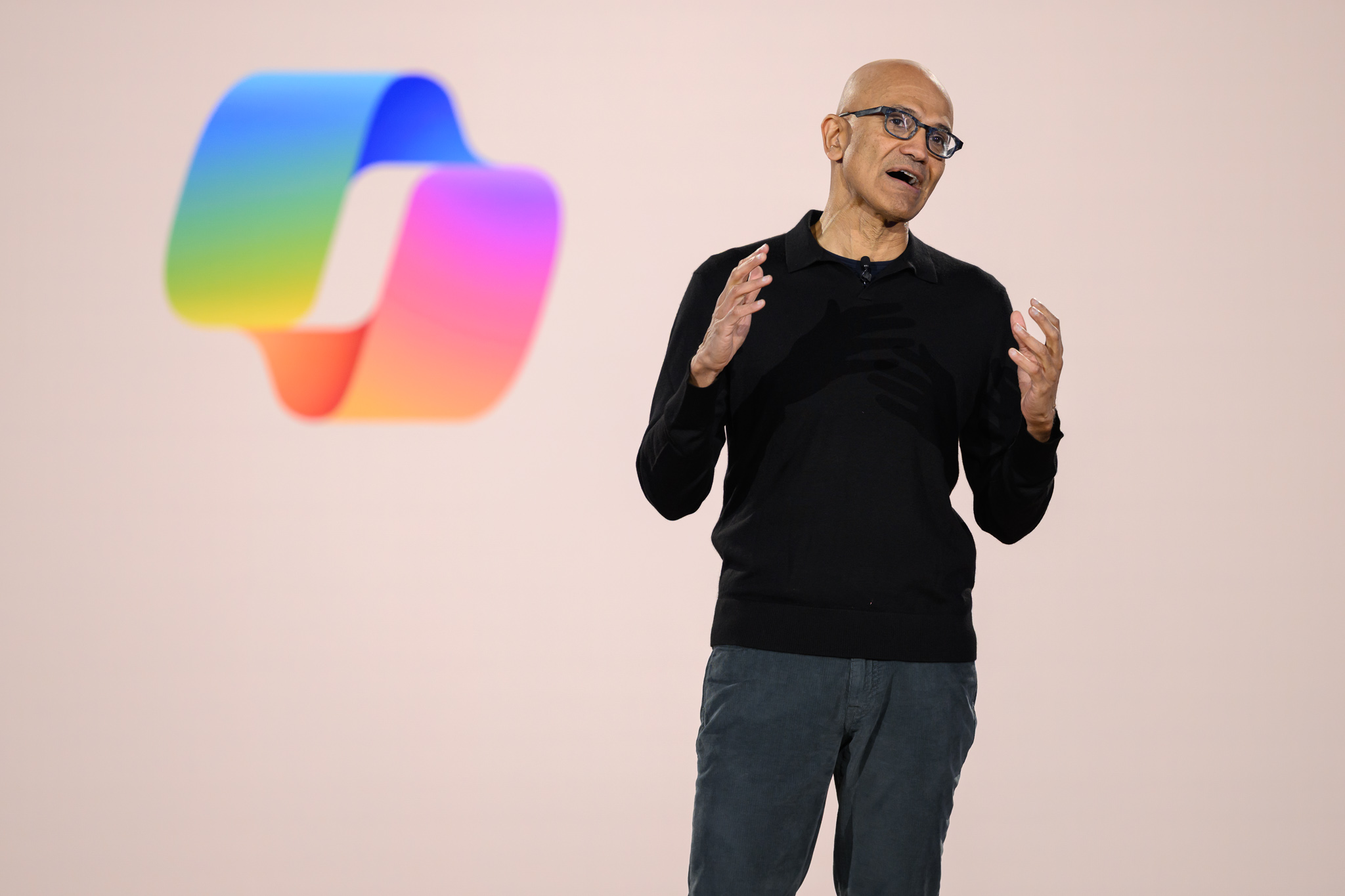
As Microsoft approaches its upcoming earnings report, the tech giant finds itself at a critical juncture that analysts have dubbed a “prove it” moment. CEO Satya Nadella faces mounting pressure to demonstrate that the company’s substantial investments in artificial intelligence are translating into sustainable cloud growth and business value. With fiscal second-quarter results set to be released after markets close on January 28, covering the period ending December 31, all eyes are on Microsoft to show that its bold AI strategy is paying off. Analysts are projecting revenue of $80.3 billion—representing a 15% year-over-year increase—and earnings per share of $3.85, up 19% from $3.23 in the comparable period. These figures would normally be cause for celebration, but in the context of Microsoft’s massive AI expenditures, they carry added significance as investors seek validation that the company’s technological vision is financially sound.
The scale of Microsoft’s AI infrastructure investments has been staggering, reflecting both the company’s commitment to this technological frontier and the intense competitive pressure from rivals like Amazon and Google. Capital expenditures reached an unprecedented $34.9 billion in the fiscal first quarter alone, a dramatic increase from $24.2 billion in the prior quarter. These funds have primarily gone toward rapidly expanding data center capacity to support the computational demands of AI systems. This aggressive spending strategy places enormous pressure on Azure, Microsoft’s cloud platform that serves as the company’s primary growth engine. When CFO Amy Hood projects Azure growth of approximately 37% in constant currency—slightly down from the 39% growth rate in the previous quarter—even this small deceleration raises questions. Investors are keenly focused on whether any slowdown represents temporary capacity constraints that will resolve as new data centers come online, or if it signals deeper concerns about market saturation or competitive disadvantages.
Wedbush analyst Dan Ives has highlighted the significance of this moment for Nadella and his leadership team, noting that skepticism is growing despite what Ives characterizes as “incrementally strong” deployment reports from Microsoft partners regarding Copilot and Azure. The tension between Microsoft’s enormous spending and the market’s demand for immediate returns creates a complex narrative. While Microsoft’s strategic vision centers on positioning itself at the forefront of the AI revolution—a transformation potentially as significant as the internet itself—Wall Street’s timeframe for evaluating success operates on quarterly rhythms that may not align with the longer-term technological shifts the company is pursuing. This fundamental tension between short-term financial expectations and long-term technological investment will likely characterize Microsoft’s relationship with investors for several years to come as AI capabilities mature and their business applications expand.
Beyond its cloud business, Microsoft faces a mixed landscape across its product portfolio. The company ended support for Windows 10 in October, pushing users toward Windows 11 or paid extended support options—a transition that creates potential revenue opportunities but has also generated friction with customers, particularly given reports of update issues. Market analysts have also observed softening demand in both the PC and small-business segments, traditional strongholds for Microsoft’s business. These challenges in established product lines place additional importance on the success of Microsoft’s AI initiatives, as they represent the company’s clearest path to sustained growth in an increasingly competitive tech landscape. The Windows transition specifically highlights Microsoft’s delicate balancing act: maintaining revenue from legacy products while redirecting resources and customer attention toward next-generation offerings that incorporate AI capabilities.
Despite these challenges, Microsoft continues to see encouraging signs of AI adoption across its product suite. At a recent Barclays technology conference, Microsoft Commercial CEO Judson Althoff made the remarkable claim that Microsoft 365 Copilot represents “the fastest growing product we’ve ever launched with the highest utilization”—a significant statement from a company with Microsoft’s extensive product history. This rapid uptake suggests that despite concerns about AI’s immediate financial impact, customers are finding value in these new capabilities. Althoff provided an even more striking glimpse into AI’s proliferation when discussing Microsoft’s internal use of its Agent 365 management tool, which revealed 138,000 AI agents being used by 88,000 employees on a weekly basis. His observation that organizations likely “have more AI happening inside your organizations than you know about” points to a phenomenon of organic, bottom-up AI adoption that may eventually translate into more substantial enterprise commitments.
As Microsoft prepares to share its quarterly results, the company stands at a fascinating inflection point in both its own history and the broader technological landscape. The enormous capital investments in AI infrastructure represent a strategic bet that artificial intelligence will fundamentally reshape how businesses operate and how software creates value. The challenge for Nadella and his team lies in managing the gap between this long-term vision and the quarterly performance metrics by which public companies are judged. For investors and industry observers, Microsoft’s results offer a window into not just one company’s performance, but into the broader AI transformation sweeping through the technology sector. The coming quarters will reveal whether Microsoft’s aggressive AI investments represent visionary leadership that positions the company for the next decade of growth, or whether the company has overcommitted to a technological shift whose business impact remains uncertain. What seems increasingly clear, however, is that Microsoft has embraced AI as the cornerstone of its future strategy, and there appears to be no turning back from this path.