



Tackling E-Bike Battery Safety Concerns: From DIY Solutions to Expert Recommendations
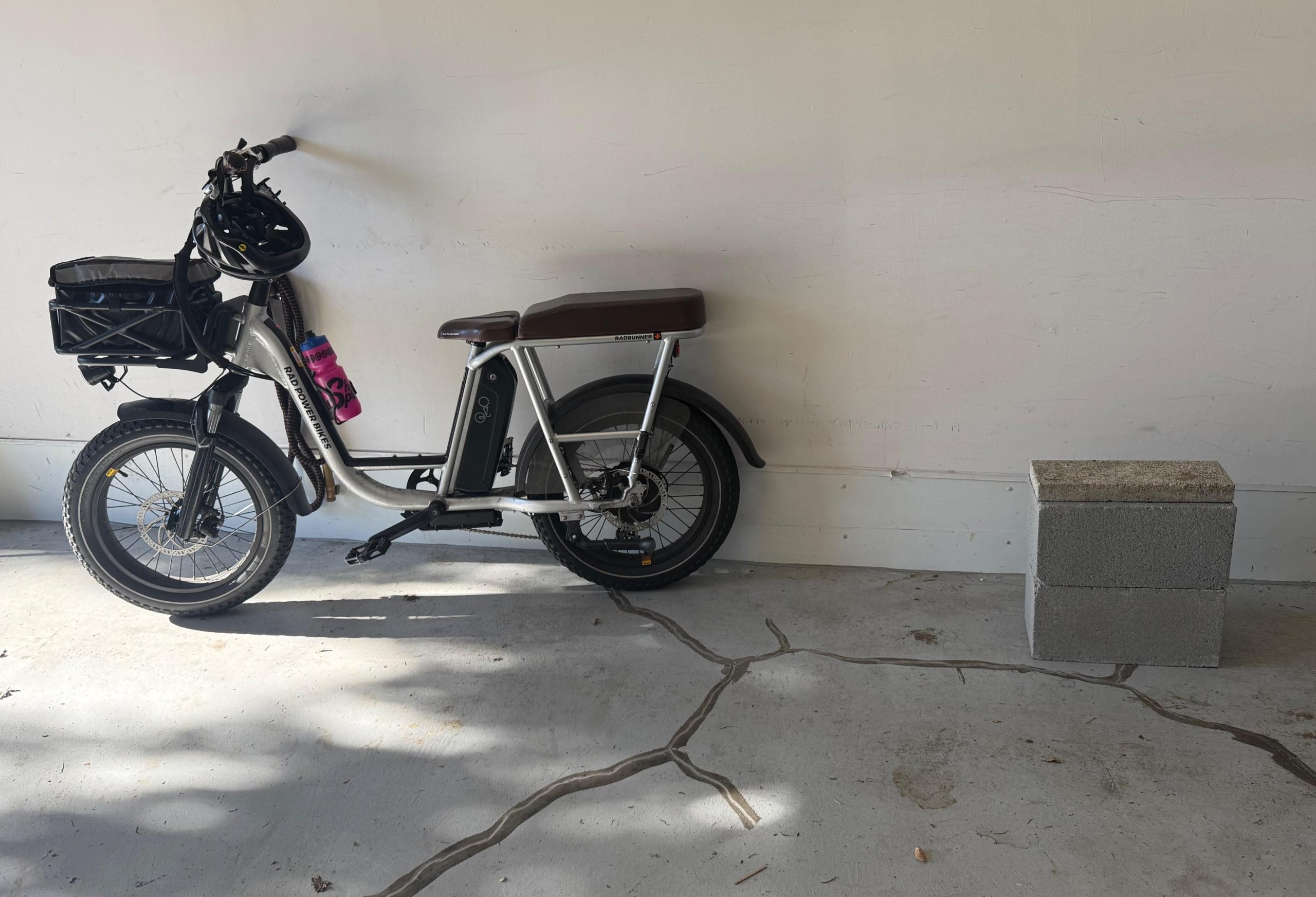
In a world increasingly embracing electric mobility, e-bike owners are finding themselves at the intersection of convenience and safety concerns. Recently, San Francisco resident Eric Stahl sparked an enlightening online conversation when he shared his homemade battery containment system on Reddit—a simple arrangement of stacked cinder blocks designed to contain a potential lithium-ion battery fire. His post in a Rad Power Bikes forum resonated with many riders who harbor similar anxieties about storing high-powered batteries in their homes. “What I put on Reddit is a cheap, DIY, common sense solution,” Stahl explained to GeekWire. “It’s not tested. It’s not proven. I’m not an engineer or an expert. So everyone needs to proceed at their own risk.” His innovative yet untested solution highlights a growing concern among e-bike enthusiasts: how to safely store devices powered by lithium-ion batteries, which store tremendous energy in compact packages but can pose significant fire risks when they fail.
The timing of Stahl’s Reddit post is particularly noteworthy as it follows increased scrutiny of e-bike battery safety. Last November, the U.S. Consumer Product Safety Commission issued a stark warning about specific lithium-ion batteries used in several Rad Power Bikes models, urging consumers to immediately cease using them due to fire hazards. The agency reported dozens of battery-related incidents resulting in property damage, warning that these batteries could “unexpectedly ignite and explode.” Seattle-based Rad Power Bikes disputed this characterization and declined to issue a recall. Since then, the once-thriving startup has entered bankruptcy protection and faces potential shutdown amid what it described as “significant financial challenges.” This context adds a layer of urgency to the conversation about battery safety, particularly for riders who own potentially affected models but have no clear path to replacement.
Fire safety officials confirm that the anxiety among e-bike riders is well-founded. David Cuerpo, Public Information Officer for the Seattle Fire Department, explained that lithium-ion batteries used in e-bikes and other personal mobility devices have become a growing fire safety concern. “Lithium-ion batteries store a lot of energy in a compact device,” Cuerpo noted, adding that they can burn extremely hot and spread very rapidly when failures occur. Seattle firefighters began formally tracking lithium-ion battery fires in 2022 and responded to 43 battery-related fires last year involving various devices from phones and laptops to e-bikes and scooters. These fires can be triggered by multiple factors: physical damage to batteries, corrosion, electrical failure, or exposure to extreme temperatures. The danger lies in how battery failures can create a cascading effect, with heat spreading rapidly from one cell to another, potentially igniting nearby materials and releasing toxic, flammable gases in enclosed spaces.
While Stahl’s cinder block solution demonstrates creative problem-solving, fire safety experts express reservations about its effectiveness. Cuerpo pointed out that lithium battery fires can exceed 1,800 degrees Fahrenheit—hot enough to potentially compromise even concrete structures. Furthermore, a major concern with DIY containment solutions is that they rarely address the release of toxic, flammable gases during a battery fire. A homemade solution that isn’t airtight could allow dangerous fumes to escape into an enclosed space like a garage. Another challenge is that lithium-ion battery fires can be persistently dangerous; Seattle firefighters have encountered batteries that reignited hours or even days after an initial fire appeared to be extinguished, as undamaged cells continued to heat up. Stahl acknowledged these limitations but emphasized that his main goal was simply to prevent a fire from spreading to his house: “I have it in my garage with a smoke detector above it, so if I’m home, I’ll hear the detector, see/smell the smoke and open the garage door if needed.”
For e-bike owners seeking safer storage solutions, experts offer several practical recommendations. Cuerpo suggests storing lithium-ion batteries in cool, dry locations away from direct sunlight, preferably in garages and separated from combustible materials. While commercial storage containers designed specifically for lithium-ion batteries represent the safest option, they can be expensive. More affordable alternatives include fire-retardant battery bags and certified fire-resistant storage boxes tested to independent safety standards, available through specialty retailers. Regular maintenance is equally important—batteries should be checked at least monthly for warning signs such as swelling, cracks, unusual heat, residue, or odors. Using only manufacturer-approved chargers or independently certified equipment is another crucial safety measure. Rad Power Bikes provides battery safety guidance on its website, advising riders on proper storage, recommended charging practices, and handling procedures outlined in their battery guides and owner’s manuals.
Despite the uncertainty surrounding his cinder block solution, Stahl’s initiative has performed a valuable service by stimulating important conversations about e-bike battery safety. His approach demonstrates the kind of proactive thinking that can help mitigate risks, even as he acknowledges its limitations. “It’s not good to drop them or get them soaking wet, but mine has been on my bike the whole time I’ve had it,” he explained about his battery handling practices. “If it was cracked or bulging I would definitely get rid of it.” Stahl now hopes someone will scientifically test his cinder block solution with a real (safely monitored) battery fire. “There is so much bad information on the internet about this stuff. I just want truth-seeking,” he said. “It would be a huge public service for someone to test it—and if it works, get the word out.” This sentiment captures the spirit of a community trying to balance the benefits of new technology with responsible safety practices—a challenge that will likely grow as electric mobility continues to expand in our daily lives. For now, e-bike owners would do well to follow expert guidance: store batteries safely, monitor them regularly, dispose of damaged units properly, and invest in purpose-designed safety equipment when possible.