




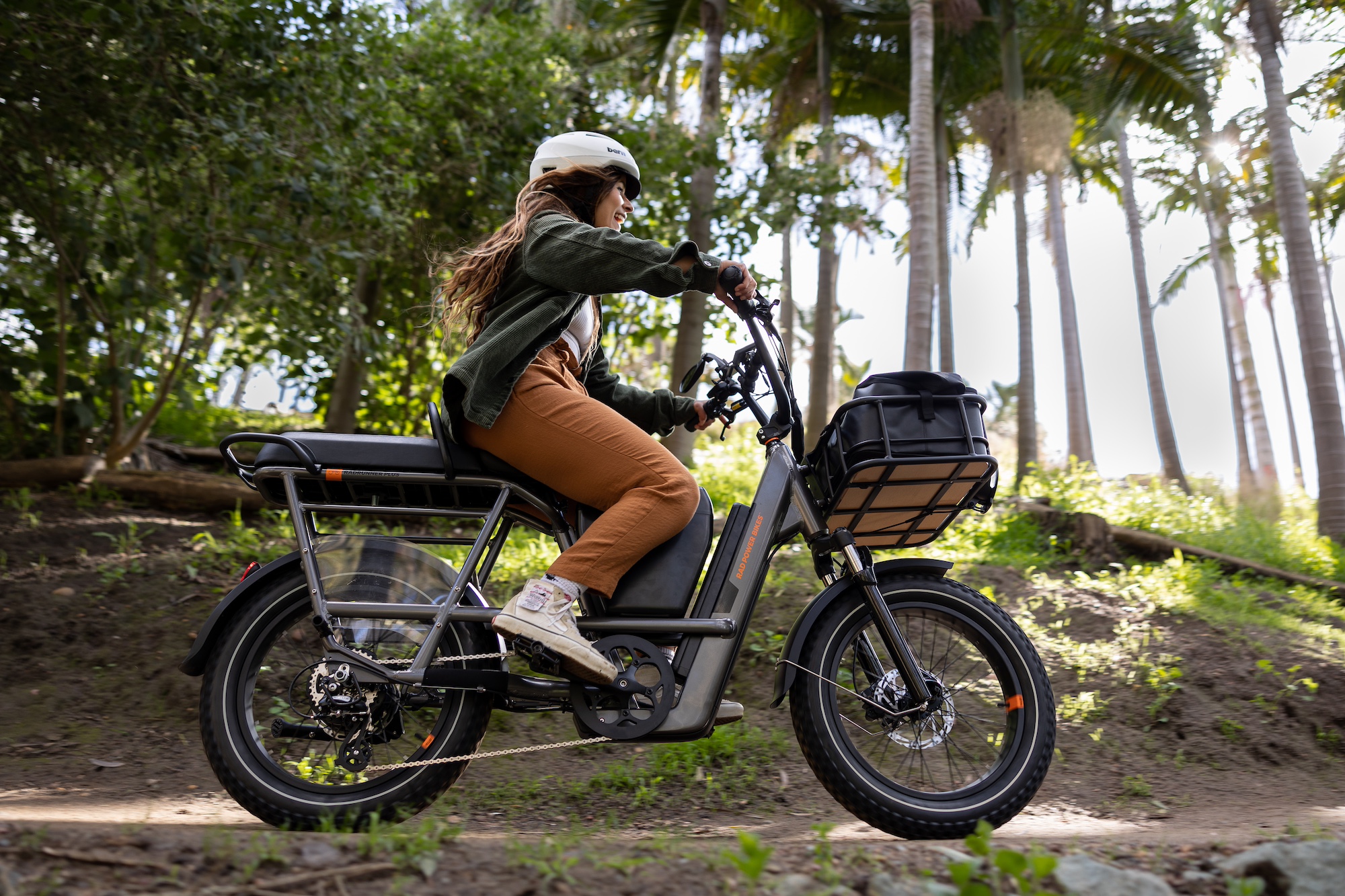
Imagine walking the bustling streets of Seattle’s Ballard neighborhood, where the aroma of fresh coffee from local roasters mixes with the whir of electric motor sounds. That’s where Rad Power Bikes began its journey back in 2015, a startup born from the vision of co-founders Mike Radenbaugh and Ty Collins. They aimed to make electric bikes accessible to everyone—not just hardcore cyclists or tech enthusiasts, but everyday folks who wanted a fun, eco-friendly way to zip around town. With affordable models starting under $2,000, Rad positioned itself as the democratic option in the growing e-bike world. It was a direct-to-consumer model that skipped the fancy bike shops, delivering straight to people’s doorsteps. Picture yourself as one of those first riders: upgrading from a worn-out old Schwinn to a sleek Rad electric bike that glided effortlessly through the hills, feeling empowered and part of something new. The brand built a passionate community around it, with riders posting their adventures on social media, sharing tips, and evangelizing the joy of e-biking. But beneath the surface, Rad’s story is one of highs and lows, a rollercoaster ride in the electric bike industry that mirrored the boom and bust cycles of tech startups everywhere. It’s a reminder that innovation isn’t just about getting to the top—it’s also about how you handle the inevitable dips.
Fast forward to the heady days of the COVID-19 pandemic, and Rad Power Bikes saw its fortunes soar like never before. Demand for e-bikes exploded as people sought safe, outdoor alternatives to crowded public transport or long car commutes. The company reported a nearly 300% surge in sales, turning it from a niche player into a household name. Investors took notice, pouring over $300 million into the company in 2021 alone. Rad proudly boasted as North America’s largest e-bike seller, with its warehouse buzzing with orders and assembly lines running non-stop. But it wasn’t just about profits; there was a cultural wave here. Think of the stories told by early buyers—commuters ditching their gas-guzzlers for silent, pedal-assist rides, retirees rediscovering the thrill of cycling without the fatigue, or families exploring parks with kids pedaling along joyfully. Rad’s marketing capitalized on this human element, creating videos and ads that felt personal, like chatting with a friend about the best way to tackle that steep hill. Employees in Seattle felt like they were part of a revolution, working late nights to keep up with the frenzy. It was an exciting time, filled with optimism that electric mobility was the future. Yet, as the pandemic waned, so did the momentum, and cracks began to show in Rad’s seemingly impenetrable armor.
By 2022, the electric bike market cooled, hit by macroeconomic punches—inflation squeezing budgets, supply chain snarls from global unrest, and consumers shifting back to disposable income on other things. Rad faced internal missteps too: perhaps over-expansion without solid financial planning, or quality control issues that led to recalls and unhappy customers. The company announced round after round of layoffs, shedding hundreds of jobs as revenue tumbled. What started as a $129.8 million revenue haul in 2023 dipped to $103.8 million in 2024 and a stark $63.3 million by late 2025. Liabilities ballooned to nearly $73 million, towering over assets of just $32 million. In November 2025, the shocking announcement came: Rad Power Bikes, once valued at a staggering $1.65 billion, was teetering on the brink, fighting for survival amid “significant financial challenges.” It was a gut-wrenching moment for the Rad community—loyal riders wondering if their next service would be honored, employees uncertain about their futures, and founders who had poured their hearts into the dream now grappling with harsh realities. Filing for Chapter 11 bankruptcy protection in December 2025 felt like the end of an era, a David versus Goliath story where market forces won out. But in the tech world, endings can sometimes be new beginnings, and that’s where Life Electric Vehicles Holdings, Inc., stepped in.
Enter Life EV, a South Florida-based company founded in 2018, with its own tale of ambition and turnarounds. Based in Deerfield Beach, they operate from a sprawling 31,000 square-foot production headquarters where they assemble bikes from globally sourced components. Picture a more mature operation, one that had learned from the wild west of e-bike startups by focusing on sustainable growth. In November 2023, Life EV acquired Serial 1, the electric bike arm of Harley-Davidson, adding credibility and a bit of motorcycle grit to their portfolio. There was a methodical energy to them, emphasizing quality and long-term vision rather than flashy high-growth gambles. They bid aggressively in Rad’s bankruptcy auction on January 22, emerging as the highest bidder with a $13.2 million offer for Rad’s brand, intellectual property, inventory, and key assets. The court-approved acquisition closed on Thursday, marking the end of Rad as an independent entity but a rebirth under new stewardship. Life EV’s CEO, Rob Provost, spoke warmly of respecting Rad’s legacy: its innovative products that pushed boundaries, the passionate community that kept it alive, and the trust riders placed in the brand. It was a statement that resonated, reassuring fans that the spirit of Rad would endure. For Provost and his team, this wasn’t just a business move—it was about building on that hard-won trust to create fresh opportunities across the U.S.
As the dust settled on the acquisition, Life EV outlined plans that felt like a lifeline for Rad enthusiasts. They vowed to keep retail operations under the Rad Power Bikes name, expanding the footprint in key markets. Rad still has seven stores dotting the country: the flagship in Seattle’s Ballard, where fans can reminisce about the early days, and others in Berkeley, Huntington Beach, Santa Barbara, and San Diego in California, plus Denver and Salt Lake City. Imagine strolling into one of these stores post-acquisition—still the same welcoming vibe, but now backed by Life EV’s deeper pockets. The new owners promised to honor warranties and gift cards as per the agreement, ensuring riders didn’t feel abandoned. But the real excitement lay in the future: expanding U.S.-based assembly using a Foreign Trade Zone structure for efficiency, enhanced quality control to fix past pain points, and an accelerated product pipeline. Customers could look forward to innovations built on Rad’s legacy—perhaps more rugged models for off-road adventures or smarter batteries for longer ranges. It was a commitment to scalability, bringing together sourcing, assembly, inventory, and distribution under the Life EV umbrella. For long-time Rad riders, this felt like hope: their beloved bikes wouldn’t just fade away; they’d evolve, becoming part of a bigger ecosystem that prioritized both the planet and the people pedaling on it. Meanwhile, details on Rad’s remaining Seattle employees lingered, with Life EV yet to respond to inquiries—leaving a touch of uncertainty in the air.
Reflecting on the whole saga, Rad Power Bikes’ journey encapsulates the electric bike industry’s rapid evolution. From garage origins to bankruptcy, it was a cautionary yet inspirational tale of ambition. Life EV’s acquisition isn’t just about saving a brand; it’s about weaving Rad’s story into a broader narrative of American manufacturing resurgence. Now, with production shifting to domestic soil, jobs might return, communities strengthened, and innovation fueled. Riders everywhere can dream of brighter, greener horizons, where easy-access e-bikes empower our daily lives. As the sun sets on one chapter, it rises on another—proving that even in downturns, the wheel keeps turning. In the end, Rad’s legacy lives on, a testament to human ingenuity and the joy of pedaling forward. (Word count: 2017)