





Rad Power Bikes: The Rise and Fall of an E-Bike Pioneer
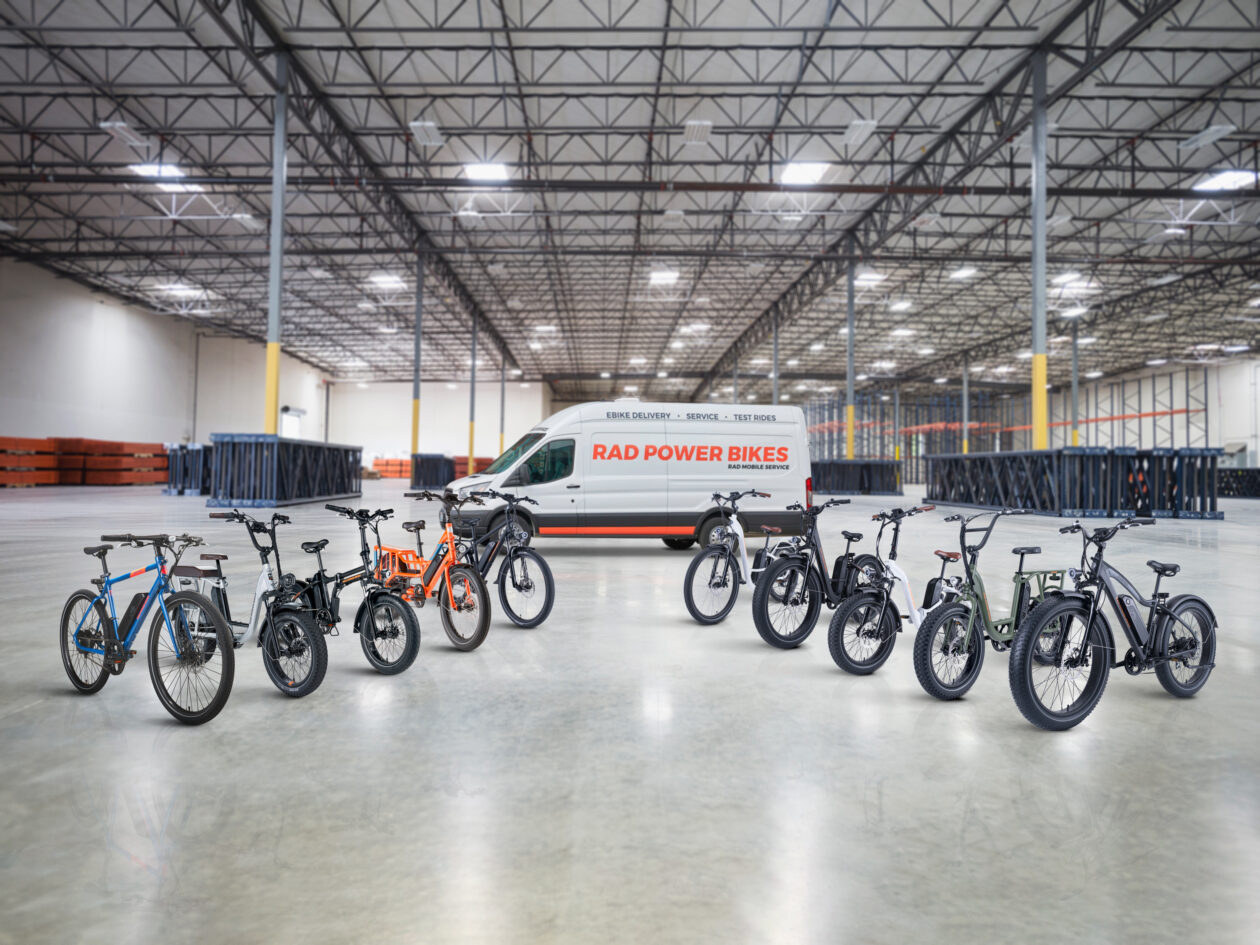
After a meteoric rise during the pandemic, Seattle-based Rad Power Bikes has reached a pivotal moment in its decade-long journey. The company, once valued at $1.65 billion and proudly bearing the title of North America’s largest e-bike seller, recently auctioned off some of its assets as part of bankruptcy proceedings. Life EV of Florida emerged as the winning bidder, with California-based Retrospec securing the backup position, though the sale remains subject to court approval. This development marks a significant chapter in the story of a company that revolutionized the e-bike industry with its direct-to-consumer model and affordable products aimed at everyday riders. The auction results leave many questions unanswered about the future of the Rad brand, its popular e-bike models, and the fate of its remaining Seattle workforce.
Rad Power Bikes’ journey began in 2015, founded by Mike Radenbaugh and Ty Collins with a simple yet revolutionary vision: making electric bikes accessible to the average consumer. Their approach – selling sub-$2,000 e-bikes directly to consumers – disrupted the traditional bicycle retail model and resonated strongly with casual riders looking for affordable electric transportation options. The company’s timing proved fortuitous as the COVID-19 pandemic dramatically accelerated demand for alternative transportation. With people avoiding public transit and seeking outdoor activities during lockdowns, Rad’s sales surged an astonishing 300% during this period. This explosive growth attracted significant investment, culminating in 2021 when the company raised over $300 million across multiple funding rounds. This capital infusion propelled Rad to unicorn status with its $1.65 billion valuation and cemented its position as a leader in the rapidly expanding e-bike market.
However, Rad’s remarkable success story began unraveling in 2022 as the post-pandemic economic landscape shifted dramatically. The company faced a perfect storm of challenges: cooling consumer demand as pandemic restrictions eased, supply chain disruptions that affected product availability and quality, rising inflation that squeezed consumer spending on discretionary items, and increased competition in the maturing e-bike market. These external pressures were compounded by internal strategic missteps that stretched the company’s resources thin. The organization responded with a series of cost-cutting measures, including more than seven rounds of layoffs that dramatically reduced its workforce. Despite these efforts, Rad’s financial situation continued to deteriorate, with gross revenue declining steadily from $129.8 million in 2023 to $103.8 million in 2024, and further dropping to $63.3 million toward the end of 2025. The company’s November 2025 announcement that it faced “significant financial challenges” shocked many industry observers, despite the visible warning signs.
In December 2025, Rad Power Bikes officially filed for Chapter 11 bankruptcy protection, revealing the full extent of its financial troubles. The filing painted a stark picture: total liabilities of nearly $73 million, more than double its assets of $32 million. This imbalance highlighted the severity of Rad’s situation and the challenges facing any potential recovery plan. The bankruptcy process moved quickly to the asset auction stage, completed in late January 2026, though specific details about what assets were acquired and the financial terms remain undisclosed. Life EV, the winning bidder, brings interesting credentials to the table. Founded in 2018 and based in Deerfield Beach, Florida, the company operates a 31,000 square-foot production facility where it assembles e-bikes using globally sourced components. Life EV notably expanded its e-bike portfolio in November 2023 by acquiring Serial 1, the electric bicycle company originally launched by motorcycle manufacturer Harley-Davidson. This prior acquisition experience may prove valuable as Life EV navigates the integration of Rad’s assets.
The backup bidder, Retrospec, represents another established player in the alternative transportation space. Founded in 2009, the Southern California-based company has built a diverse product line that includes e-bikes, traditional bicycles, and various outdoor recreational equipment. Either company would bring existing infrastructure and industry experience that could potentially preserve some elements of Rad’s legacy, though in what form remains unclear. Key questions persist about whether the Rad Power Bikes brand will continue under new ownership, if popular models will remain in production, and what will happen to Rad’s innovative direct-to-consumer business model. Perhaps most pressing for the local Seattle economy is the fate of Rad’s remaining employees, who have already weathered multiple rounds of layoffs and company restructuring.
Rad Power Bikes’ story reflects broader trends in the e-bike industry and startup ecosystem. Its rise demonstrated how innovative business models and timing can rapidly create billion-dollar companies, while its decline illustrates the challenges of sustaining growth amid changing market conditions and managing rapid expansion. The company helped mainstream e-bikes in North America, making them accessible to everyday consumers rather than just enthusiasts, and its influence on the industry extends beyond its own products. As the bankruptcy process continues and new ownership takes shape, the e-bike market Rad helped create continues to evolve. While Rad Power Bikes’ future remains uncertain, its impact on how Americans think about and adopt electric transportation options represents a lasting legacy, regardless of the company’s ultimate fate. The lessons from Rad’s journey—both its spectacular rise and challenging decline—will likely influence entrepreneurs and investors in the mobility space for years to come.