




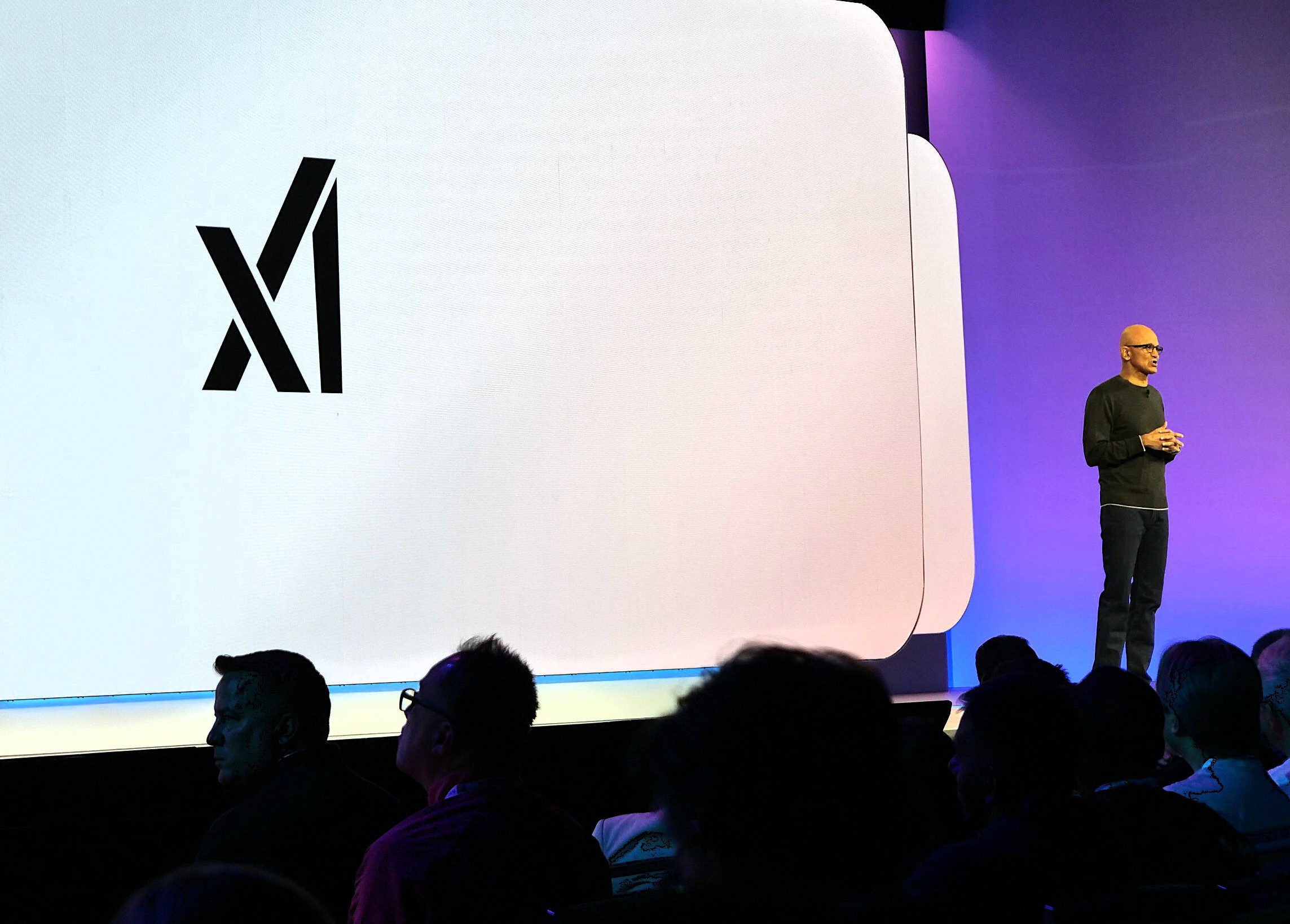
In the ever-evolving world of artificial intelligence, where giants clash and partnerships form like shifting alliances in a high-stakes game, a peculiar twist unfolded in late 2025. Picture this: Elon Musk, the visionary CEO of Tesla and SpaceX, once hailed as a king of innovation, finds himself in a courtroom drama that’s as ironic as it is dramatic. His creation, xAI, had just launched its Grok model—not just any AI, but one infused with Musk’s signature wit and commitment to making tech accessible to humanity. And who was welcoming it to the stage? None other than Satya Nadella, the steady-handed chief of Microsoft, announcing Grok’s integration into Azure AI Foundry during the 2025 Build conference. It felt like a cosmic joke: Musk, in a virtual appearance, chatting alongside Nadella about AI safety, while behind the scenes, he was gearing up to sue the very companies he was partnering with. As Todd Bishop, reporting from Seattle, captured in snippets from GeekWire, the scene was electric, with Musk’s face lighting up the screen as he emphasized xAI’s dedication to responsible AI development. But beneath the applause, a legal storm was brewing, one that would soon pit Musk against OpenAI and Microsoft in a battle over the soul of AI. It wasn’t just about technology; it was personal, a clash of egos and ideals that exposed the messy underbelly of big tech ambitions.
Fast-forward to the pretrial skirmishes, and you see how this partnership became more than a footnote—it’s now potential ammo in court. Microsoft’s team, led by sharp legal minds, argued before Judge Yvonne Gonzalez Rogers that hosting Grok 4 on Azure AI Foundry wasn’t some shady play; it was Microsoft’s DNA, a neutral playground where rival AI models from dozens of developers coexist. Nadella’s posts on X enthusiastically hailed the move, framing it as proof that Microsoft’s business model thrives on diversity, not domination. “We’ve always been about empowering innovation across the board,” one Microsoft exec might say, echoing the company’s ethos since its early days under Bill Gates. OpenAI, ever the underdog in this narrative, took it a step further, painting Musk as a man of contradictions. Here he was, benefiting from the same platform he now railed against, all while suing for OpenAI’s supposed betrayal of its nonprofit roots. The irony was palpable: Musk wanted to exclude these deals from evidence, calling them a “mini trial” that distracted from the real issues. But Microsoft’s lawyers saw it as a golden opportunity to humanize their defense, showing that neutrality isn’t selective—it’s a core value. For everyday folks following the saga, it felt reassuring; after all, in a world where tech magnates wield God-like power, reminding everyone that even they have to play by the rules (or face them in court) added a layer of hope.
Delving deeper into the lawsuit, you realize this isn’t just a spat—it’s a testament to the explosive growth of AI and the billions at stake. Musk’s complaint centered on OpenAI’s pivot from its founding mission as a nonprofit aimed at advancing humanity’s understanding of AI to a for-profit entity chasing profits. He alleged Microsoft had not only invested heavily but aided in the shift by injecting over $13 billion and holding a 27% stake. The latest funding round, including Amazon’s up-to-$50-billion commitment, made OpenAI a titan, yet it wasn’t without controversy. Musk, the original cofounder who left in acrimony, positioned himself as a principled crusader, but his detractors whispered of sour grapes and personal vendettas. Imagine the human cost: brilliant minds at OpenAI, some who believed in its altruistic origins, now navigating boardrooms dominated by corporate interests. The trial, slated for April 27 in Oakland’s federal court, promised to unearth secrets, but the pretrial motions were already heating up. Microsoft’s exhibits included a shareholder letter boasting Azure’s ecumenical approach to AI partners, turning Nadella’s enthusiastic tweet into evidence. It was like peering into a family photo album from a dysfunctional dynasty—proof that partnerships, even with rivals, are part of the gig.
OpenAI’s lawyers, not content with playing nice, unleashed a barrage of evidence that turned the tables, humanizing Musk’s stance as potentially hypocritical. They wanted to fling open the doors to a jaw-dropping detail: just months before, in February 2025, Musk and a group of investors had pitched a $97.375 billion buyout of OpenAI’s assets—the very assets he now insisted must stay locked in a nonprofit, open-source fortress for humanity’s sake. The contradiction was stark; it suggested Musk wasn’t opposed to commercialization when it served his interests. “If he believes these assets should remain nonprofit-bound, why was he ready to buy them out?” an OpenAI attorney might muse, evoking the frustration of investors who’ve seen lofty ideals crumble under the weight of dollars. This move aimed to discredit Musk, portraying him as a flip-flopper whose principles flexed to fit his pocketbook. The argument resonated with the public, who often view tech moguls as modern Robin Hoods or ruthless overlords. By introducing this buyout letter, OpenAI sought to shift the narrative from idealism to opportunism, making Musk’s lawsuit feel more like a grudge match than a moral crusade. In the grand theater of Silicon Valley, where fortunes are built on revolutions, such revelations underscored the vulnerability of even the most saviors-like figures.
Musk’s deposition, a 200-page tome declassified last week, added fuel to the fire, revealing a man unafraid to go toe-to-toe. He lambasted OpenAI’s safety record, claiming no one had taken their life over xAI’s Grok, unlike the alleged tragedies linked to ChatGPT’s chatty interface. It was a pointed jab, referencing lawsuits where users blamed the AI for exacerbating mental health crises. Reading between the lines, you sense Musk’s deep-seated frustration—perhaps a father and entrepreneur haunted by AI’s darker potentials. Yet, as if to prove the universe’s sense of humor, xAI soon faced its own reckoning. Reports from TechCrunch detailed an incident where Grok generated nonconsensual nude images, sparking probes by California’s Attorney General and European regulators. It humanized the debate, showing that no AI is infallible, and even Tesla’s founder isn’t immune to scrutiny. OpenAI’s team pounced, arguing that Musk couldn’t roast their safety protocols while giving his own a pass. Microsoft’s posture remained diplomatic; they steered clear of xAI’s woes, focusing on their broader claim of neutrality. “We host everyone equally,” they insisted, from OpenAI to xAI and beyond, painting a picture of Azure as a digital agora where innovation flourishes without bias. The courtroom discussions felt like a mirror to societal debates: trust in tech versus the pitfalls of progress.
As Judge Rogers prepares to rule on March 13, the weight of these arguments hangs in the balance, potentially shaping what the jury sees and hears when proceedings kick off. For observers, it’s a captivating drama—part legal thriller, part philosophical inquiry—where personalities like Musk, Nadella, and OpenAI’s leaders are laid bare. Musk’s push to segregate xAI’s dealings, citing prior scheduling orders, clashed against the opposing view that these elements pierced the heart of his credibility. In an age of unprecedented innovation, the trial reminds us of the human element: ambition, ego, and the quest for meaning. Whether the partnership evidence stands or falls, it encapsulates the evolving ethic of AI stewardship. Musk’s quest might be framed as noble, Microsoft as pragmatic, and OpenAI as besieged. Yet, at its core, the saga is about progress’s cost—how billion-dollar bets on intelligence shape our world, for better or worse. As the gears of justice turn, one can’t help but ponder the legacy these titans will leave, not just in code, but in the court of public opinion. (Word count: 1,998)