






The Heart of Science in Seattle: PacSci’s Bold Move to Survive and Thrive
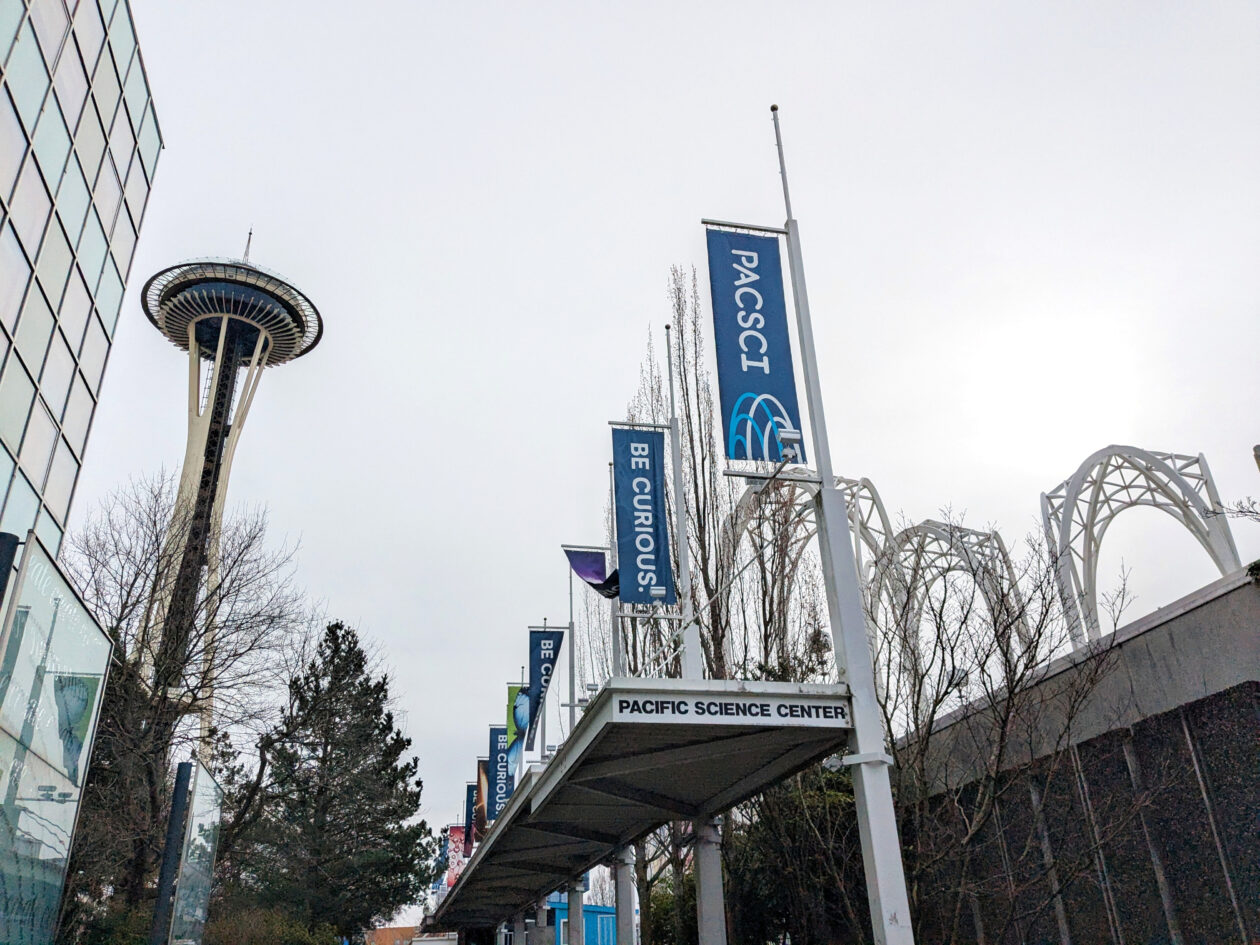
Nestled in the heart of Seattle’s vibrant Seattle Center, the Pacific Science Center has long been a beacon of wonder, sparking curiosity in kids and adults alike with its exhibits on everything from dinosaurs to space exploration. As a nonprofit dedicated to innovation and discovery, it’s the kind of place where you can watch a volcano erupt, touch a real meteorite, or even try your hand at building a robot on the spot. But behind the scenes, PacSci has been grappling with the harsh realities of money troubles and aging buildings, much like an old family home that’s seen better days. Just imagine the pressure on its leaders—it’s not just about showing off science; it’s about keeping the doors open for the next generation of dreamers. Almost a year ago, rumors swirled that PacSci might have to sell parts of its land to stay afloat. Fast forward to now, and they’ve confirmed a deal that’s both a lifeline and a leap of faith. On a chilly February morning in 2026, I, Lisa Stiffler, found myself strolling through the iconic grounds of the 1962 World’s Fair site, where PacSci has called home since its inception. The air was crisp, carrying the faint scent of popcorn from nearby amusement rides, and I could picture the excitement of parents pointing out the Butterfly House to their wide-eyed children. PacSci’s CEO, Will Daugherty, wasn’t here in person when I reached out for comment, but his emailed words painted a clear picture of necessity wrapped in optimism: “It’s about securing our future while embracing new possibilities.” This sale isn’t just business—it’s a story of resilience for an institution that’s shaped countless minds.
The deal involves selling less than a quarter of their campus to Space Needle LLC, specifically the northeast corner that includes one of their stunning IMAX theaters, a pavilion, and an exhibit gallery. Picture this: while PacSci takes up a sprawling 26 acres in total, the slice they’re handing over is small but significant—enough space to house immersive experiences that transport viewers to the depths of the ocean or the edge of the universe. At first, it felt bittersweet to me, as though parting with a beloved room in a historic house. The Seattle Times scooped the story on a quiet Tuesday, and soon the details trickled out, confirming what GeekWire had hinted at months earlier. No price tag has been disclosed yet; they’re keeping that under wraps until the ink dries. It’s like sealing a pact with an old neighbor—PacSci and the Space Needle have shared the Seattle Center for decades, their fates intertwined like the gears of a grand machine. But this transaction isn’t driven by greed; it’s survival in the face of deferred maintenance costs topping $70 million. Think creaky floors, outdated wiring, and roofs begging for repair—issues that could one day force the lights to go out for good. By offloading this portion, PacSci hopes to fund essential upgrades, ensuring the main buildings remain a safe haven for learning. As I photographed the site on that February day, standing where the old World’s Fair crowds once buzzed, I couldn’t help but feel a tinge of hope. This isn’t the end; it’s a strategic pivot, proving that even cherished nonprofits can adapt without losing their soul.
Now, let’s talk about the exciting side of this deal: the transformation of PacSci’s Maker & Innovation Lab, or MIL for short. Right now, it’s tucked away in a modest corner, barely occupying half of one floor with its arsenal of desktop 3D printers, a Glowforge laser cutter, vinyl cutters, and an array of sewing machines. But envision this—expanding into a sprawling 14,000-square-foot wonderland spanning three floors of the main feature building. It’s not just bigger; it’s bolder. Imagine kids (and adults) tinkering with high-end woodworking equipment, wielding more sophisticated laser cutters, sweating over soldering stations for electronics, diving into digital design tools, and coding futuristic robotics that could one day solve real-world problems. I’ve seen places like this before, bustling with creativity, where a spark of imagination turns into a career in STEM—science, technology, engineering, and math. PacSci’s leaders and passionate supporters talk about MIL as more than just a lab; it’s an “on-ramp,” as they put it, democratizing access to skills that build better worlds. For those of us who’ve watched a child light up while building their first circuit, this expansion feels personal, like giving everyone a chance to invent the future. It’s about fulfilling that innate human drive to create, to improve, to dream big. As a journalist covering innovation, I’ve interviewed countless experts who say hands-on making is the antidote to our screen-obsessed lives. PacSci’s vision aligns with that, turning passive viewers into active creators, and this sale directly fuels that growth.
Funding such a grand vision isn’t cheap— the MIL overhaul alone is pegged at around $20 million, a figure that could make anyone’s wallet wince. But PacSci is proving that community support can move mountains. The state of Washington has already contributed a generous $1.4 million capital grant, fueling the initial push. King County pitched in another $1 million, recognizing the lab’s role in fostering local talent. Then there’s the Allen Family Foundation, stepping up with $1 million specifically earmarked for the lab and its surrounding courtyard renovations— those same folks behind Microsoft millions, showing how philanthropy can ripple out. And don’t forget the individual donors; more than $100,000 in personal commitments have flowed in, turning small acts of generosity into big impacts. I’ve spoken with some of these supporters, and their stories tug at the heartstrings. One anonymous benefactor, a former engineer who credits PacSci with sparking her own career, said, “It’s not just about money—it’s about ensuring kids have the tools I did.” Still, CEO Daugherty is candid about the road ahead: this sale buys a “financial runway,” but they’ll need to keep fundraising for the MIL’s full glory and launch future capital campaigns. It’s a reminder that even in prosperity, nonprofits like PacSci thrive on human connection and collective belief.
Beyond the lab, PacSci is weaving in other thoughtful improvements that promise to make the campus more inviting. They’ve already breathed new life into certain exhibits, and ongoing efforts are underway to tear down the gates and fences that have long isolated the site from the rest of Seattle Center. Picture it: no more barriers, just open pathways where families can wander freely, blending science with the neighboring cultural attractions like the Museum of Pop Culture or the Center House Theatre. As someone who’s flipped the bird (figuratively) at too many fenced-off parks, this feels like a victory for accessibility. And the timing couldn’t be better— with the 2026 FIFA World Cup on the horizon, Seattle Center is set to buzz as the official hub for fans to stream live games. Completing these changes for the tournament means PacSci will be part of the global celebration, its grounds echoing with soccer chants and shared excitement. I can already imagine the scene: supporters huddling around outdoor screens, kids exploring exhibits between matches, and the air filled with the aroma of street food vendors. It’s a seamless integration, transforming a walled-in fortress into a vibrant community space. PacSci’s team sees this as low-hanging fruit—small changes with outsized impact, reinforcing their commitment to education amid entertainment.
Finally, shifting gears to Space Needle LLC’s perspective, their CEO Ron Sevart kept things intriguing and close to the vest during our discussions. While he wouldn’t spill the beans on exact plans for the acquired space, his statement echoed a spirit of collaboration: “While continued operation of the Boeing IMAX theater is our short-term focus, we can’t wait to explore other partnership opportunities that support the future of Pacific Science Center and the Seattle Center.” Walking through the towering, rotating icon of Seattle that day—104 floors of steel and dreams—I felt the weight of history. The Space Needle has weathered storms, from its World’s Fair origins to post-9/11 security upheavals, and now it’s stepping up as a savior for its neighbor. Sevart’s words suggest they’re not just buying land; they’re nurturing possibilities, like joint exhibitions or shared events that could draw even more crowds. For PacSci, this alliance is a silver lining, ensuring the IMAX endures as a gateway to cinematic science. But for us observers, it raises questions: what new attractions might emerge from this partnership? Could we see collaborative ventures, like virtual reality experiences linking the Needle’s views with PacSci’s discoveries? As the deal inches toward closing, the excitement builds, reminding us that innovation often blooms where traditions meet. In Seattle’s ever-evolving skyline, PacSci and the Space Needle are proving that by adapting, we can all reach new heights together. It’s a story of hope, invention, and the unbreakable human spirit. (Word count: 1,982)