






The Pacific Northwest’s Bold Initiative to Transform Aviation Fuels
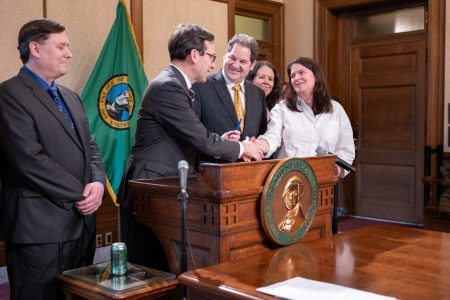
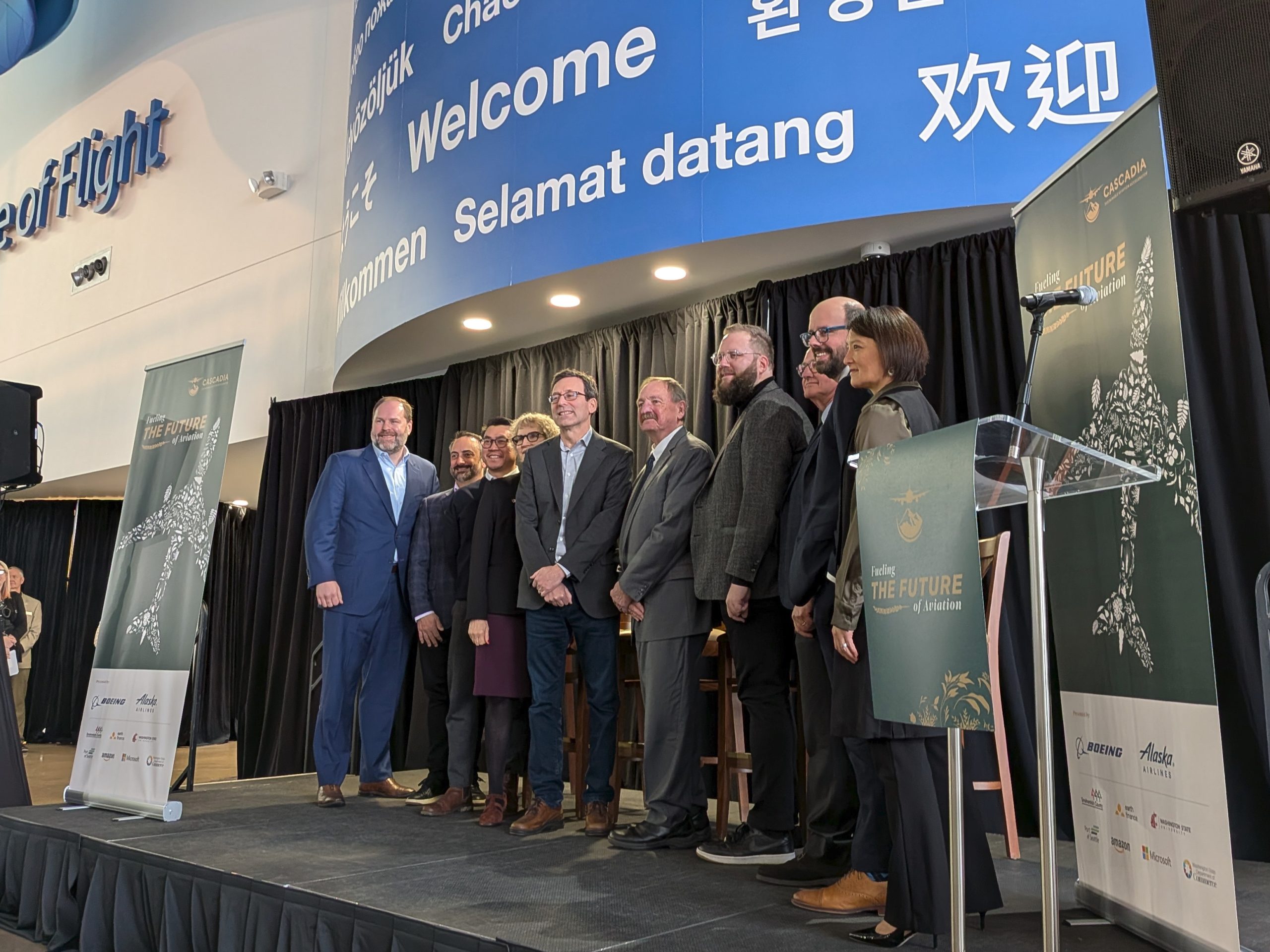
In an ambitious move that could reshape the aviation industry’s environmental footprint, Pacific Northwest leaders gathered Thursday in Mukilteo, Washington to officially launch the Cascadia Sustainable Aviation Accelerator. This groundbreaking initiative aims to establish the region as a global leader in sustainable aviation fuel (SAF) production and innovation. With $20 million in initial funding—half from state resources and half from philanthropic contributions—the accelerator represents a significant commitment to addressing one of transportation’s most challenging climate problems. Washington Governor Bob Ferguson captured the region’s optimism at the launch event, stating, “We have all the pieces in place to ensure this once-in-a-generation economic opportunity is realized, and this accelerator will make that happen.” The gathering at Boeing’s Future of Flight Aviation Center symbolically brought together government officials, corporate leaders, and academic institutions around a shared vision of aviation sustainability.
The urgent need for this initiative is clear: aviation’s carbon footprint continues to grow as global air travel and cargo transportation expand, yet sustainable alternatives remain extremely limited. SAF, which is typically produced from plant-based sources and can be blended with conventional jet fuels, is widely regarded as the most promising near-term solution for decarbonizing flight. Unlike electric aircraft or hydrogen fuel cell technology, which may take decades to scale, SAF can be used immediately in existing aircraft without modification. However, significant challenges remain—particularly cost barriers, with sustainable fuels currently priced at two to three times that of conventional jet fuel. Despite sustainability commitments from airlines and cargo carriers worldwide, these economic hurdles have kept SAF from surpassing even 1% of global aviation fuel consumption. The accelerator’s core mission is to address this imbalance by closing the price gap, creating a viable marketplace, and dramatically boosting regional production capacity.
Major corporations are already signaling strong support for the initiative. Amazon’s director of public policy, Guy Palumbo, revealed at the launch that the e-commerce giant purchased 3.7 million gallons of SAF in 2024 to reduce its air cargo emissions—but emphasized that demand far exceeds current supply. “This is a systems issue that no one company can solve,” Palumbo explained. “You’ve got great companies up here in this room right now that are ready to use this fuel, but we have to make it available.” This sentiment was echoed by representatives from other aviation stakeholders present at the event, including Alaska Airlines and Boeing, underscoring the industry-wide recognition that coordinated action is necessary. The accelerator’s public-private partnership model brings together state government resources, academic research capabilities, corporate investment, and policy expertise to tackle the complex barriers preventing SAF from scaling rapidly.
The Cascadia Sustainable Aviation Accelerator’s strategy is multifaceted and comprehensive. It will provide critical R&D resources for startups and established fuel manufacturers, including specialized equipment and technical expertise. Additionally, it will advocate for SAF-friendly policies at local, state, and federal levels to create a supportive regulatory environment. A significant focus will be helping facilitate funding arrangements for SAF producers, including purchase agreements with fuel customers that can help secure financing for production facilities. The initiative will also work to develop robust feedstock supply chains—drawing on the region’s agricultural waste, logging residuals, algae potential, and other biological sources—and support infrastructure development for efficiently transporting and blending low-carbon fuels. This holistic approach acknowledges that establishing a thriving SAF sector requires coordinated progress across multiple fronts simultaneously.
The Pacific Northwest possesses unique advantages that position it as a potential global hub for sustainable aviation fuel innovation. The region’s status as Boeing’s birthplace has created a robust aviation ecosystem with specialized expertise and supply chains. Washington and Oregon’s abundant natural resources provide diverse potential feedstocks for fuel production, while progressive environmental policies create a supportive backdrop for sustainability ventures. Several SAF companies are already establishing operations in the region, including Dutch firm SkyNRG, which is building a facility in Walla Walla that will use renewable natural gas from landfills and dairy waste as feedstock. Montana Renewables is currently producing approximately 30 million gallons of synthetic paraffinic kerosene annually from used cooking oils, animal fats, and plant oils. NXTClean Fuels is developing two clean fuels facilities in Oregon, including a $3 billion plant at Port Westward on the Columbia River. California-based Twelve is commissioning its “AirPlant One” facility in Moses Lake, Washington, which will use liquid ethanol as its carbon source.
Despite these promising developments, stakeholders acknowledge the immense challenges ahead. As State Senator Marko Liias noted at the launch, “This is going to be a tremendous challenge. It’s going to be hard.” Global geopolitical factors—including shifting energy policies under changing administrations—add uncertainty to the clean energy transition. Nevertheless, the senator expressed confidence that “we know the rest of the world is going all in on SAF and this is the fuel of the future. There’s no better place than Washington state to catalyze the production of sustainable aviation fuel at scale.” The accelerator will initially operate from a commercial space at Everett’s Paine Field airport while securing funding for a permanent facility, which organizers hope to complete by 2029. The initiative builds upon two years of groundwork following Snohomish County Executive Dave Somers’ initial announcement of plans for a SAF center. This continuation of Washington’s leadership in sustainable aviation—which began with the first commercial SAF test flight in 2008—represents a critical step toward reconciling aviation’s growing importance with urgent climate imperatives.