



Space Startup Orbital Robotics Aims to Save Hubble with AI-Powered Robotic Arms
In the vast expanse of space, where precision is paramount and mistakes can be catastrophic, a small Washington-based startup is developing technology that could revolutionize how we maintain and service satellites in orbit. Orbital Robotics, founded in late 2022 by former Blue Origin engineers, is pioneering AI-powered robotic arms that could extend the life of aging space infrastructure, including the iconic Hubble Space Telescope. With approximately $310,000 in initial funding, the Puyallup-based company is already collaborating with the U.S. Space Force on an orbital rendezvous project while simultaneously working to build a coalition to save Hubble from its impending doom.
The company’s founding team—CEO Aaron Borger, COO Doug Kohl, and engineers Riley Mark and Sohil Pokharna—brings significant aerospace experience to the venture. All worked at Jeff Bezos’ Blue Origin until 2022 before launching Orbital Robotics. They’re supported by adviser Chris Sembroski, who gained firsthand space experience as part of the 2021 Inspiration4 mission before spending two and a half years at Blue Origin. Together, they’re tackling one of the most complex challenges of the new space age: creating spacecraft that can safely interact with and manipulate other objects in orbit. This capability will be crucial as thousands of satellites continue to populate Earth’s orbit, many of which will eventually need servicing, refueling, or repositioning.
The fundamental challenge Orbital Robotics is addressing stems from basic physics—Newton’s Third Law of Motion, to be precise. When a robotic arm on a free-flying spacecraft moves, the spacecraft itself reacts with an equal and opposite motion, making precision control exceptionally difficult in the microgravity environment. “That is exactly one of the hardest parts about putting robotic arms on spacecraft,” explains Borger. “When you move the arm, your spacecraft is going to move as well.” To overcome this obstacle, the company is developing AI-based software tools designed to track targets in space, plan orbital maneuvers, and facilitate spacecraft interactions. The team has already built a prototype robotic arm called ORA-T1, featuring seven degrees of freedom, which they’re currently testing in their laboratory. Unlike smaller arms they’ve previously tested on suborbital flights (designed to catch simple objects like balls or cubes), this newer, larger prototype is specifically focused on docking with space debris and other spacecraft.
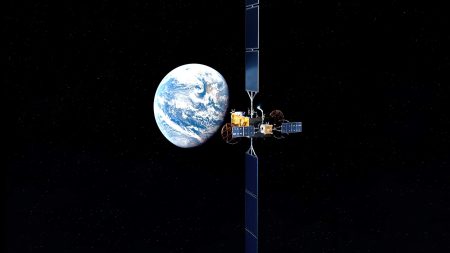
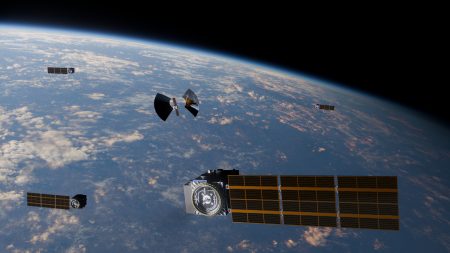
The growing importance of what the industry calls Rendezvous, Proximity Operations, and Capture (RPOC) capabilities has attracted interest from both military and commercial sectors. While the Pentagon sees obvious national security applications in being able to inspect, repair, or potentially neutralize objects in orbit, commercial applications are equally compelling. As Borger points out, “Now that there’s the ability to put so much mass up there, it’s come to the point where, OK, you have all this stuff up there. How do you actually continue to use it, rather than just letting it come down or die up there?” The company is collaborating with an unnamed partner on a series of space missions scheduled for 2026-2027. The initial mission will test Orbital Robotics’ flight software, with subsequent missions demonstrating the robotic arm’s ability to capture spacecraft in orbit. Rather than viewing other RPOC-focused companies like Starfish Space and Portal Space Systems as competitors, Borger sees them as potential partners who could benefit from Orbital Robotics’ specialized arms and software.
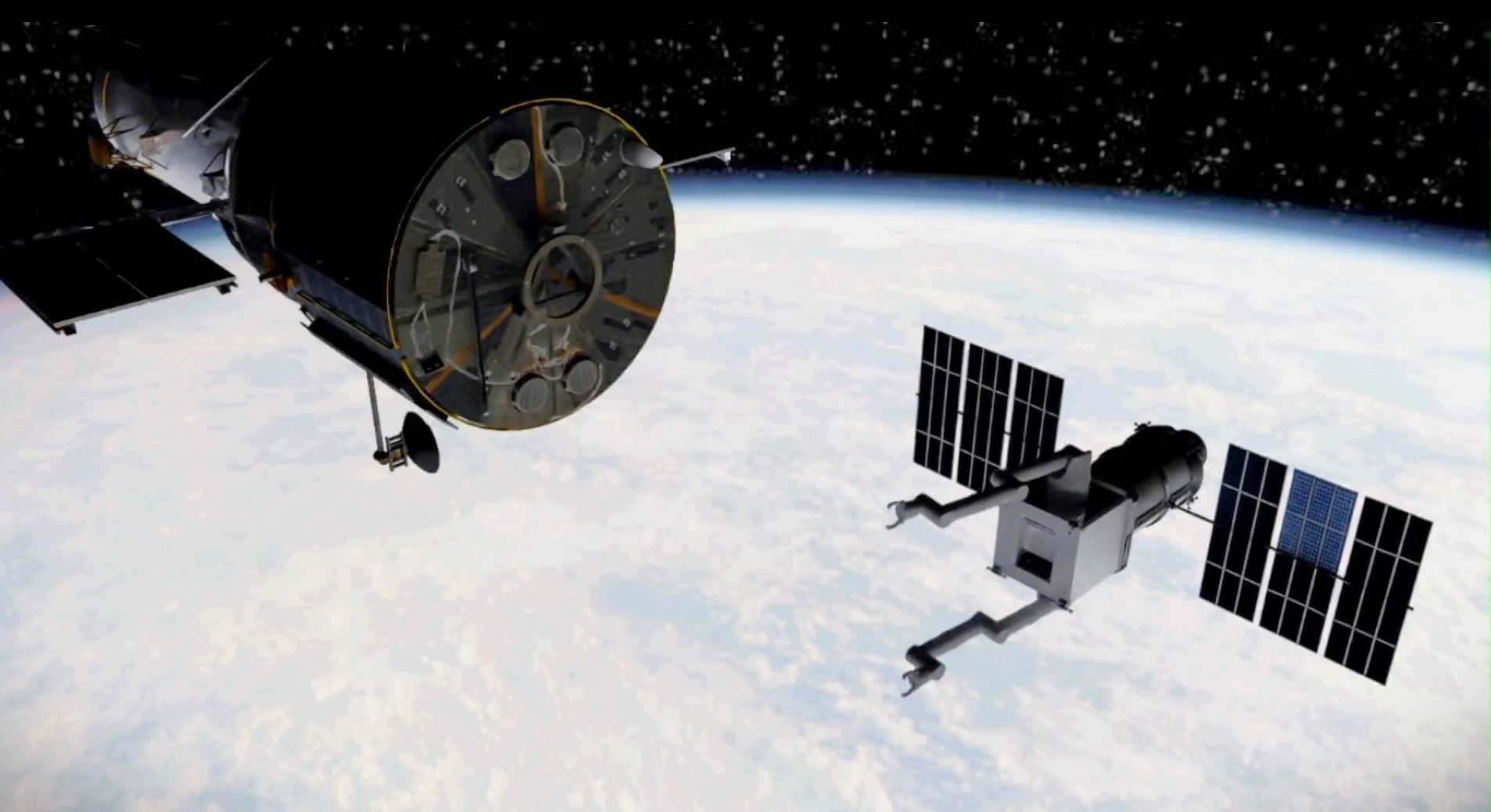
Perhaps the most ambitious plan in Orbital Robotics’ portfolio is their proposal to save the Hubble Space Telescope. After 35 years in orbit, the beloved observatory is facing a dire future. Recent scientific reports suggest Hubble could plunge to Earth in as little as three to four years due to increased atmospheric drag from heightened solar activity. The company is assembling a coalition called the “Save the Hubble Space Telescope Alliance” and preparing a white paper that outlines their rescue plan. Their concept involves a robotic spacecraft that would dock with Hubble, install a star tracker package, boost the telescope to a higher, more stable orbit, and then undock. The timing is potentially fortuitous—tech billionaire Jared Isaacman, who previously proposed a crewed Hubble reboost mission that NASA rejected, is now NASA’s administrator. “Jared is as interested in Hubble as we are, and so we’re hoping to take an unsolicited proposal to him with the white paper on helping to recover Hubble,” says Kohl.
As Orbital Robotics continues development of its technology, the founders recognize they’ll need substantial additional funding to realize their ambitious goals. While they’re comfortable with their current funding position, Borger acknowledges they’ll be pursuing “a much larger round in a couple of months.” The stakes couldn’t be higher—not just for the company’s commercial success, but for the future of space infrastructure maintenance and the preservation of scientific treasures like Hubble. If successful, Orbital Robotics’ technology could fundamentally change how we approach spacecraft servicing, potentially extending the lifespan of billions of dollars worth of space assets while helping to manage the growing challenge of orbital congestion. As both commercial and government space activities continue to expand, the ability to safely interact with objects already in orbit will become increasingly valuable, positioning this small Washington startup at the cutting edge of space technology development.