






Sam Altman’s Space Ambitions: The New Frontier for AI Data Centers
In a tech landscape increasingly dominated by artificial intelligence, industry leaders are looking beyond Earth’s boundaries for solutions to their mounting data processing needs. OpenAI CEO Sam Altman recently explored a bold move into space-based infrastructure through discussions with Stoke Space, a Seattle-area rocket startup. According to The Wall Street Journal, Altman considered significant investment in Stoke Space this year, potentially seeking either a partnership or controlling stake in the company. Though these talks reportedly began in summer, intensified in fall, and have since become inactive, they represent a fascinating glimpse into how AI leaders envision the future of computational infrastructure. This development also signals the emergence of a new competitive frontier among tech billionaires, with Elon Musk, Jeff Bezos, and Google’s Sundar Pichai all expressing interest in orbital data processing capabilities for AI applications.
The underlying driver behind this space race for data centers is clear: artificial intelligence’s insatiable appetite for computational resources. During a July appearance on Theo Von’s “This Past Weekend” podcast, Altman mused about the future of data infrastructure, saying, “I do guess that a lot of the world gets covered in data centers over time. But I don’t know, because maybe we put them in space. Like, maybe we build a big Dyson sphere on the solar system and say, ‘Hey, it actually makes no sense to put these on Earth.'” This statement reflects growing concerns about the terrestrial footprint and resource consumption of AI systems. As models grow increasingly complex and energy-hungry, moving data centers to space—where solar power is abundant and cooling requirements different—represents a potentially revolutionary approach to sustainable AI development.
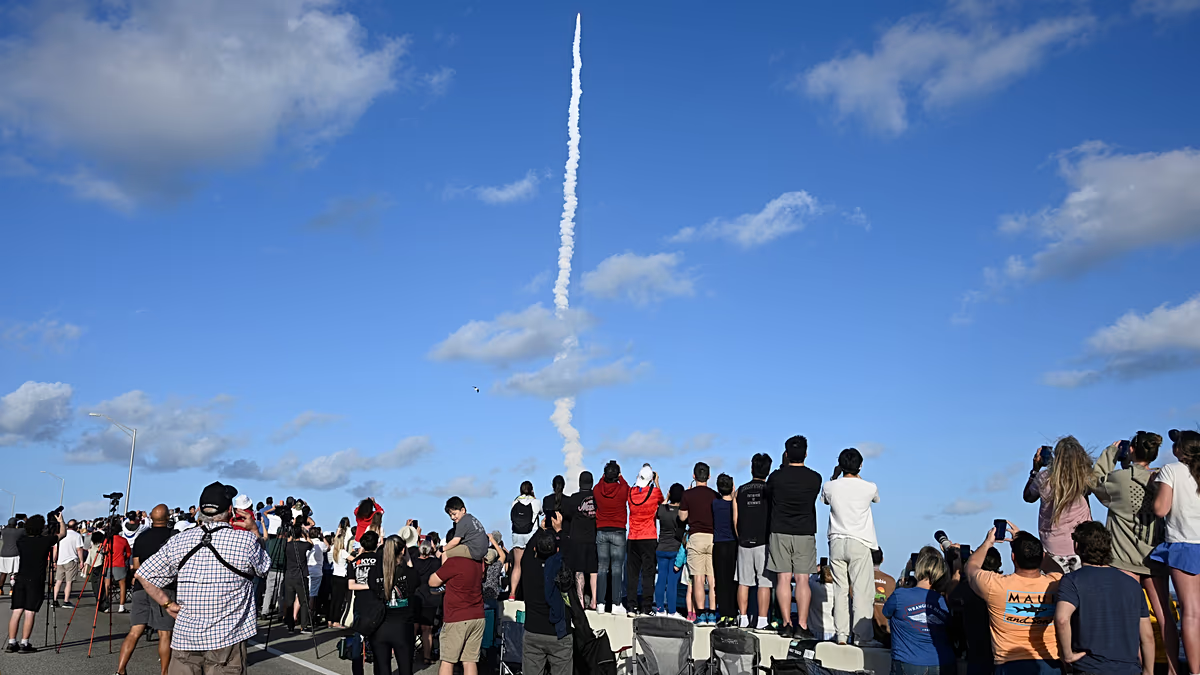
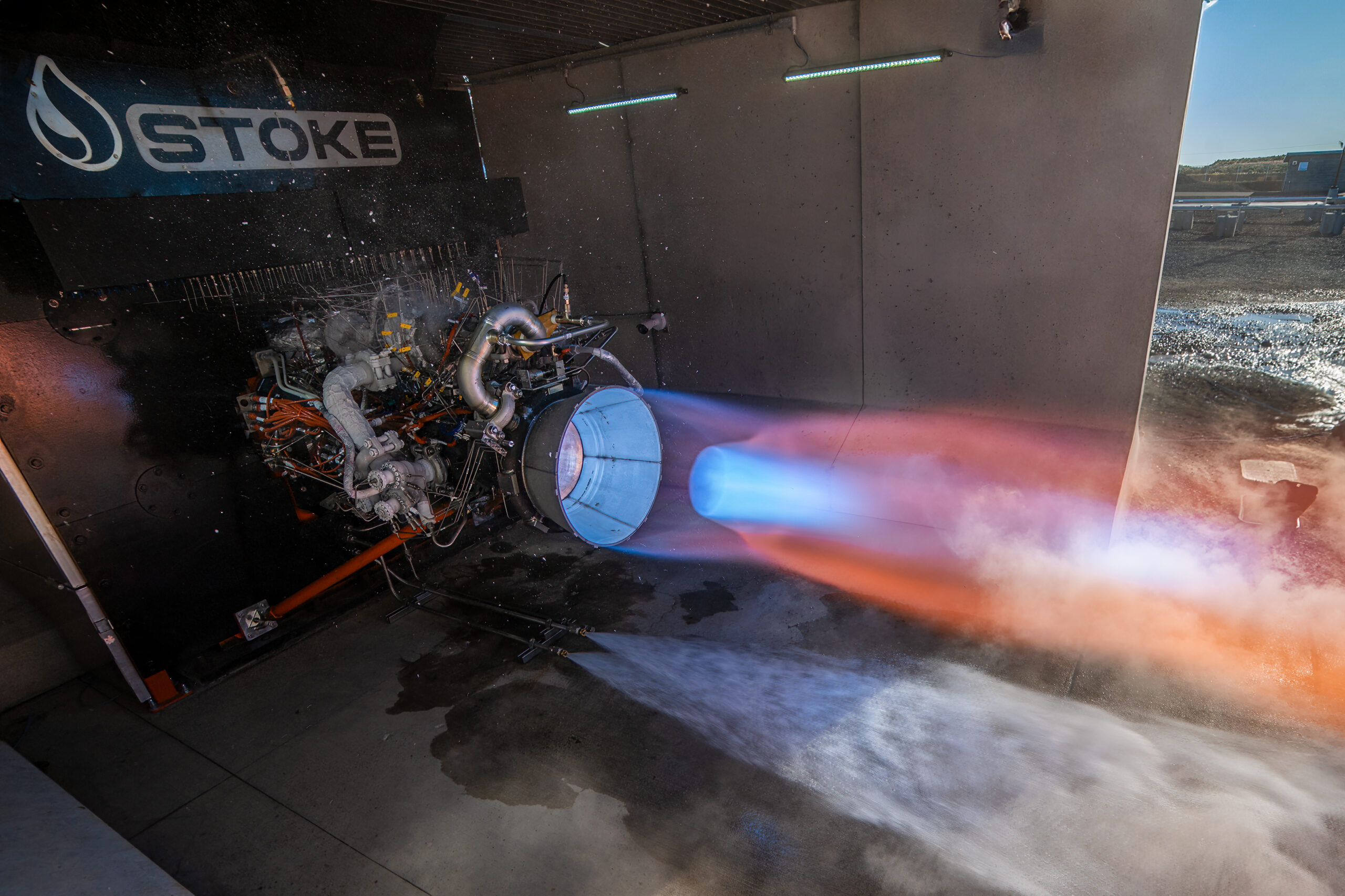
Stoke Space emerged as a focal point for Altman’s cosmic ambitions, likely due to its promising technological trajectory. The Kent, Washington-based company is developing Nova, a fully reusable rocket scheduled for its inaugural launch in 2026. This timeline aligns with the accelerating pace of AI development and growing infrastructure demands. Just this week, the company announced a partnership with Celestis to use Nova for an “Infinite Flight” mission in late 2026, carrying cremated remains and DNA samples into deep space. While Stoke Space declined to comment on the reported discussions with Altman, their development of reusable launch capabilities would be crucial for any serious space-based data center initiative, as frequent, cost-effective launches would be necessary to build and maintain such orbital infrastructure.
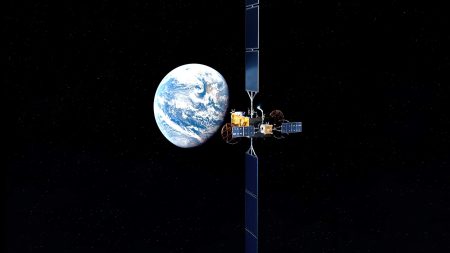
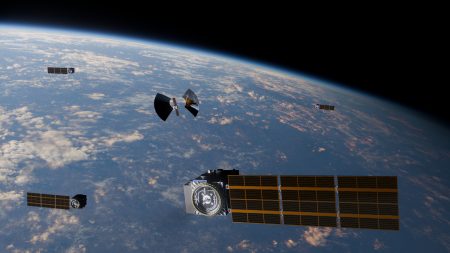
The competition in this emerging sector is intensifying rapidly. Elon Musk has declared SpaceX’s intention to develop Starlink V3 satellites capable of serving as AI data centers, directly stating “SpaceX will be doing this” on his X platform. Similarly, Amazon and Blue Origin founder Jeff Bezos has expressed interest in orbital data centers, while Google is already collaborating with Planet Labs on “Project Suncatcher” for space-based data processing. These parallel efforts by tech’s most powerful figures suggest a consensus forming around the potential advantages of space-based computing—potentially including abundant solar power, natural cooling in the shadow of Earth, reduced latency for global communications, and freedom from terrestrial resource constraints and regulations. The race appears to be not about whether computing will move to space, but who will get there first and establish market dominance.
Another interesting player in this space race is Redmond, Washington-based Starcloud, which shares connections to Y Combinator—the startup accelerator once led by Altman before his OpenAI role. Starcloud recently launched its first test satellite carrying an Nvidia data-processing chip and has partnered with Colorado-based Crusoe to offer limited GPU processing capacity in space by early 2027. This timeline suggests that the theoretical concept of space-based AI computing is rapidly transitioning toward practical implementation, though significant technical, regulatory, and economic challenges remain. The interest from Altman in companies like Stoke Space indicates that serious capital is now considering these ventures not merely as speculative moonshots but as strategic investments in the future infrastructure of AI.
Recent developments in the AI industry may have temporarily cooled Altman’s space ambitions. OpenAI faces mounting competitive pressure from Google’s Gemini chatbot, prompting Altman to redirect the company’s focus toward urgently upgrading ChatGPT. This shift in priorities illustrates the tension between long-term visionary planning and immediate market demands that characterizes the rapidly evolving AI sector. Nevertheless, the brief courtship between one of AI’s most influential figures and a promising space startup signals a significant trend: as artificial intelligence continues its exponential growth, the physical infrastructure supporting it may ultimately transcend Earth’s boundaries. Whether initiated by Altman, Musk, Bezos, or others, the movement of data centers to orbit seems increasingly less a matter of if, but when—potentially transforming both the economics of AI development and humanity’s relationship with space.